
CO/ALIGN: Leveraging and Upscaling Active Citizenship in Multi-level Governance Welcome to MORE 2026
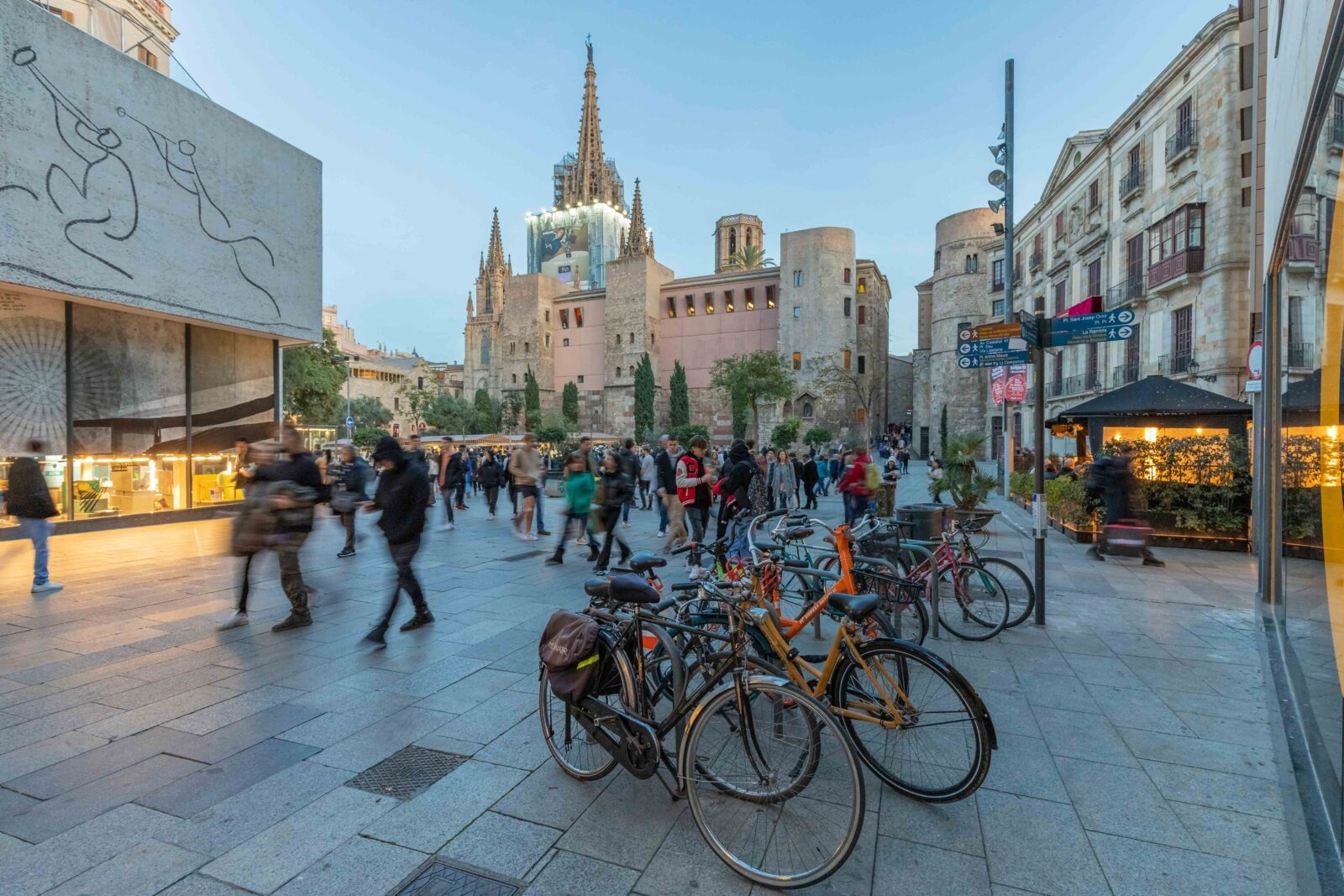
Lead Researcher: Enrica Papa
Collaborators: 15 European partners, including: Ghent University (Belgium), Endeavour (Belgium), Politecnico di Torino (Italy), Babeș-Bolyai University (Romania), Universitat Autònoma de Barcelona (Spain)
Funding: Driving Urban Transitions Partnership, UKRI, January 2026–December 2028. Total project funding: €2.1 million
CO/ALIGN investigates how coalitions between civil-society organisations, public authorities and knowledge institutions can accelerate fair and sustainable urban mobility transitions. Community groups often translate local needs into practical alternatives and mobilise support for change, yet they may face limited resources, political resistance and restricted access to formal decision-making. The project examines how effective coalitions are built, how they negotiate conflict and power, and how neighbourhood-level initiatives can be scaled without losing their community-centred character.
Comparative research and Living Labs in Antwerp, London, Turin, Cluj and Barcelona will map tactics, relationships and governance arrangements across different contexts. The University of Westminster leads the European mapping of civil-society organisations and the development of an interactive CSO Atlas, contributes to the London Living Lab with Possible, and supports the project’s knowledge hub. CO/ALIGN will produce a practical Compendium of frameworks and tools for inclusive coalition-building and upscaling. By connecting active citizenship with multi-level governance, the project seeks to strengthen the capacity of communities and institutions to deliver 15-minute-city transformations that are participatory, durable and attentive to mobility justice.
KEY WORDS: civil society, urban coalitions, mobility justice, participatory governance