
Research Welcome to MORE 2026
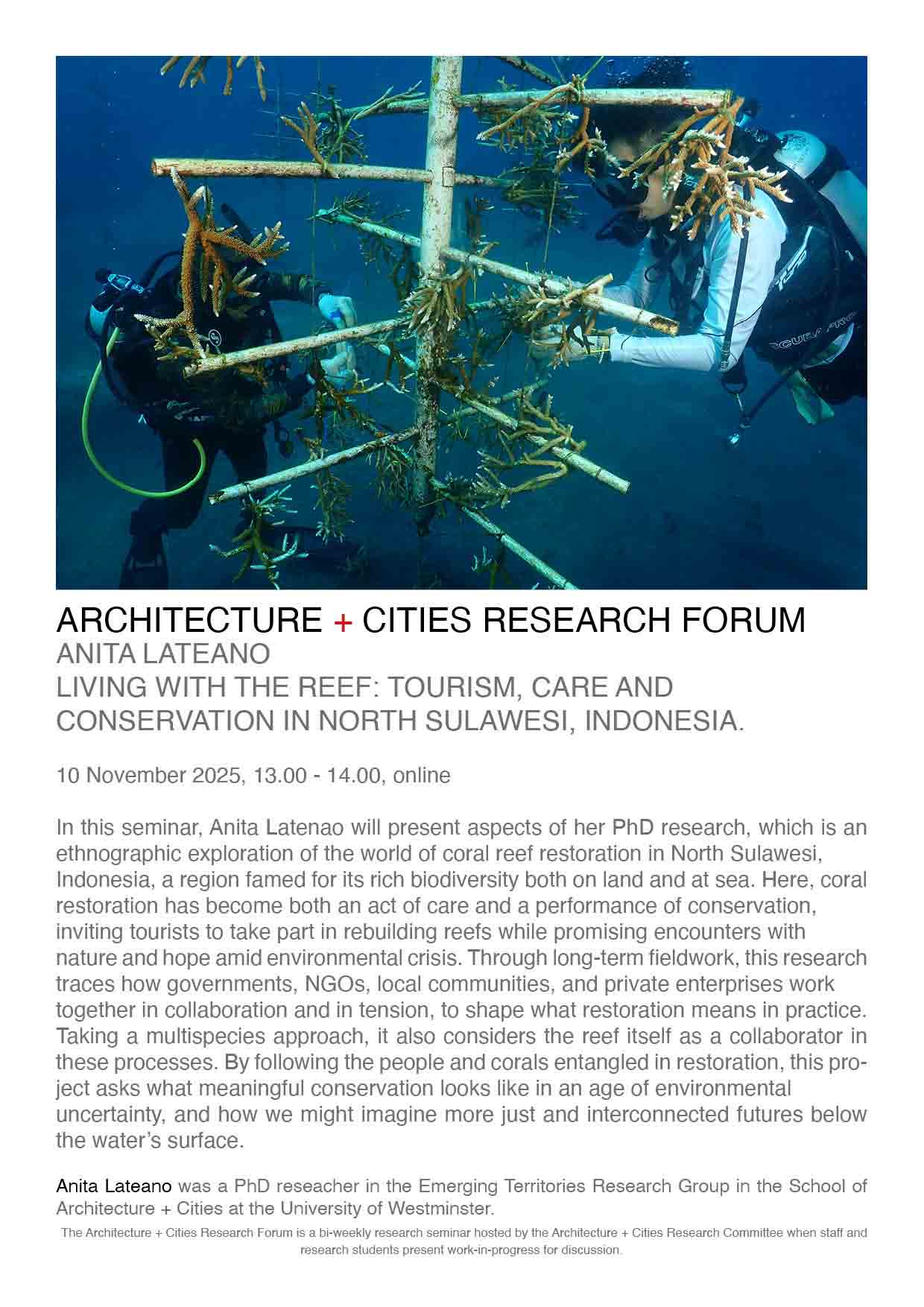
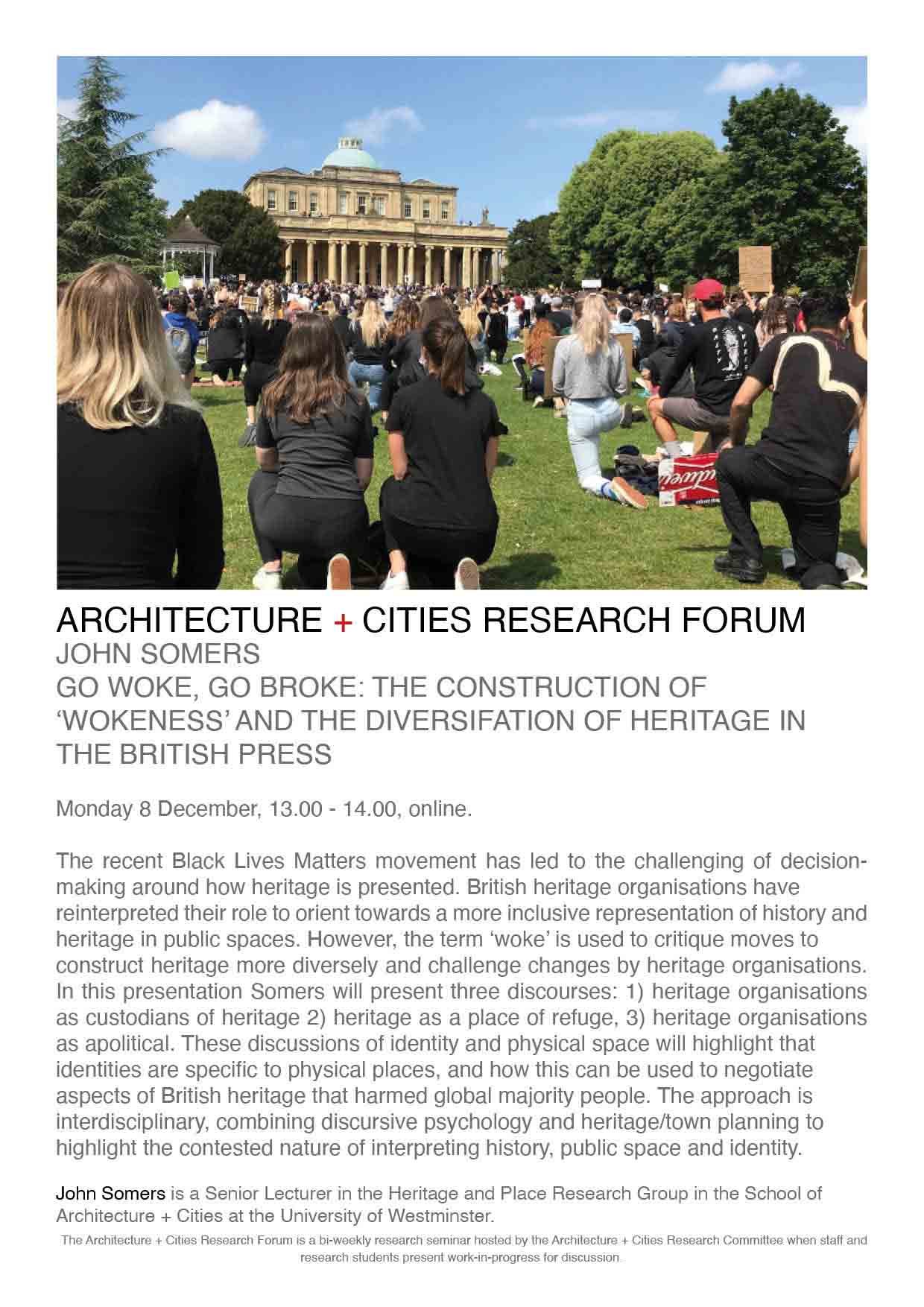
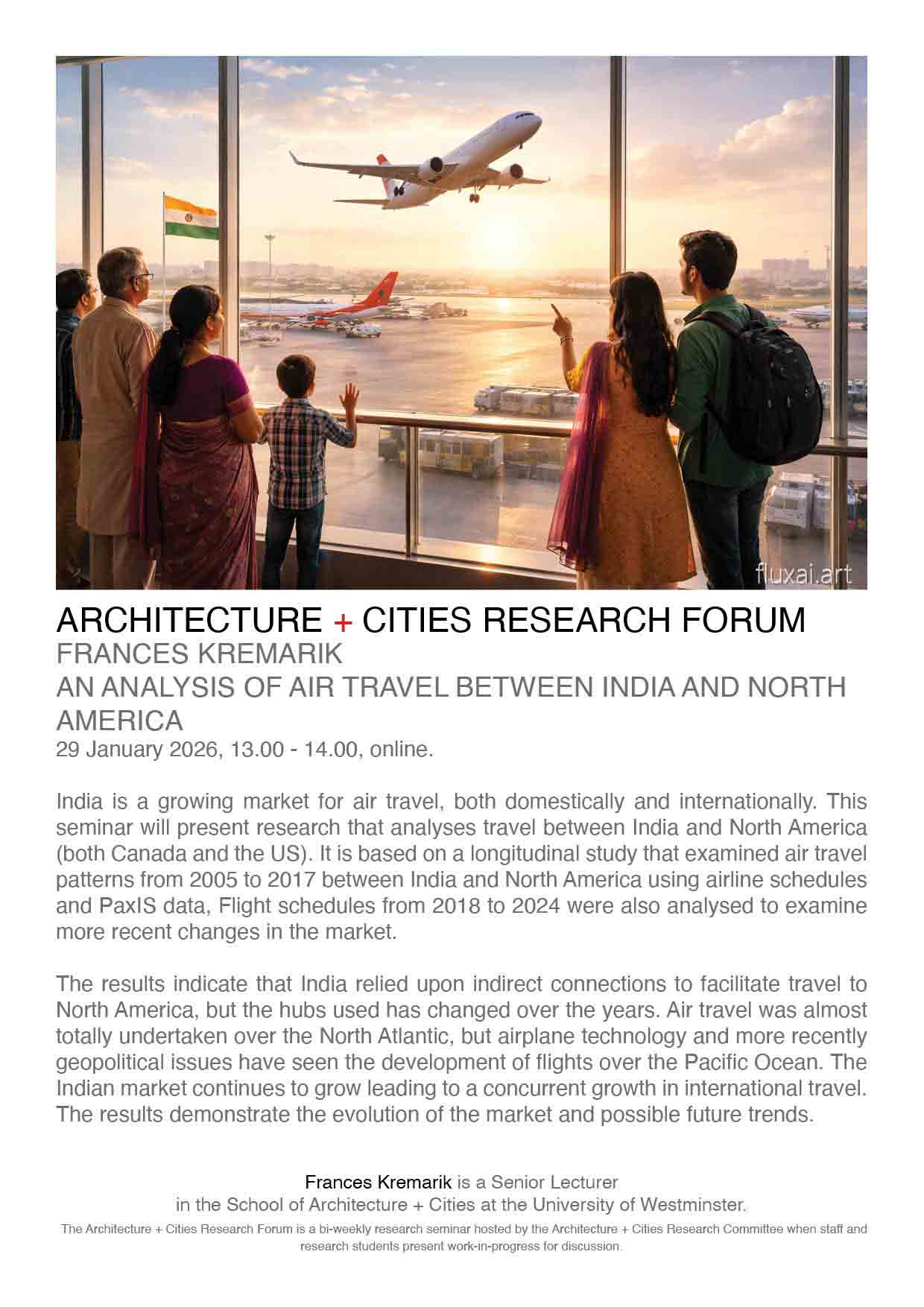
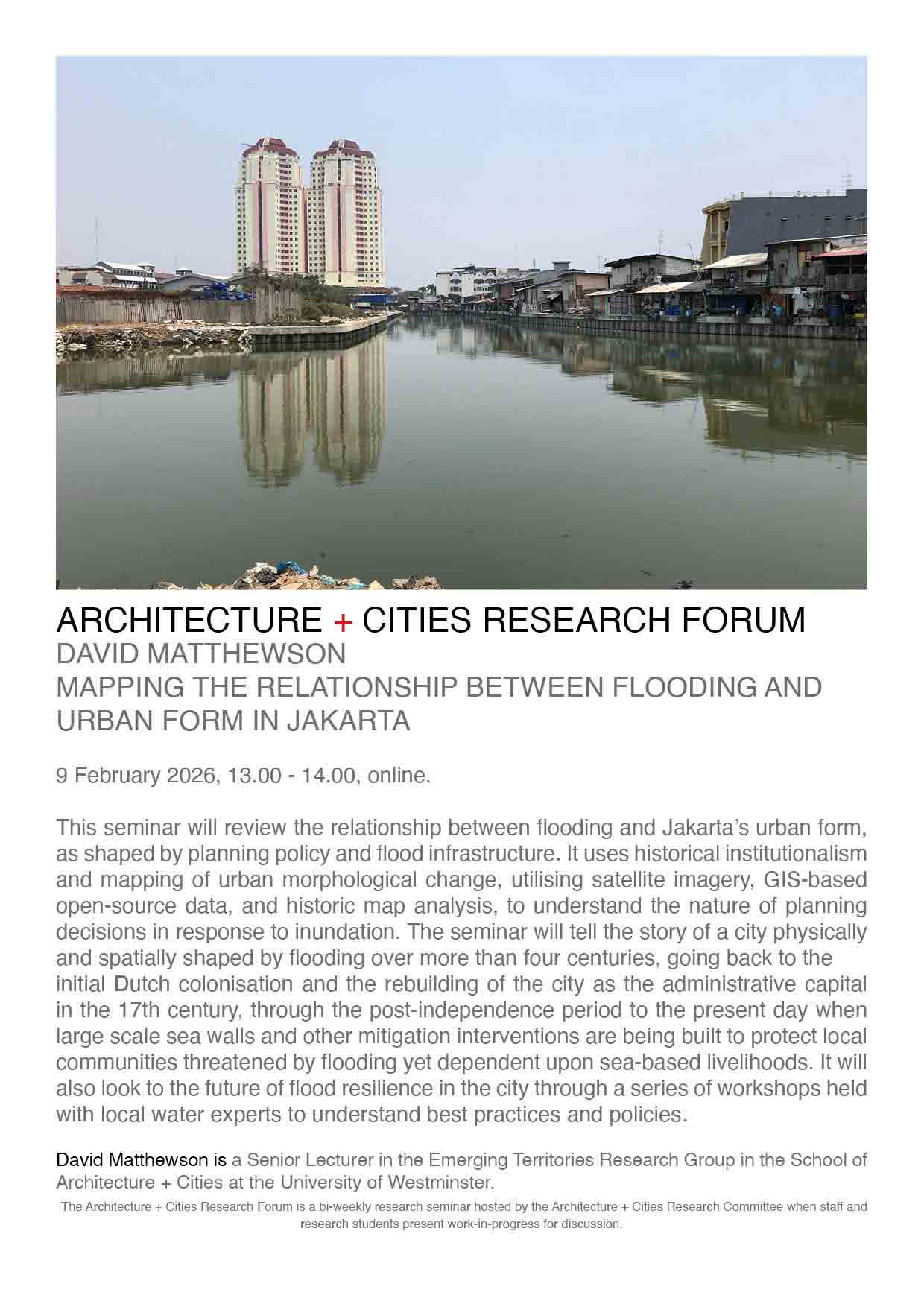
The School of Architecture + Cities has a strong international reputation for research, knowledge exchange and public engagement. Research and Knowledge Exchange (RKE) is coordinated by a RKE Committee chaired by Professor Lindsay Bremner, with Luz Navarro as the Knowledge Exchange lead. Since 2019, the school has also participated in the university-wide Sustainable Cities and Urban Environments research community, now led by Tom Cohen.
The school hosts several research centres and groups which are organised around the school’s recognised strengths, values and areas of impact. The three RKE centres are: the Active Travel Academy (ATA), the Centre for Air Traffic Management Research (ATM) and the Centre for the Production of the Built Environment, (PRoBE), the latter shared with the Westminster Business School. These centres are externally funded and generate a good share of the University’s RKE income. Our four RKE groups are: Architectural Humanities; Emerging Territories; Design Practices; and Heritage and Place. Emerging Territories has two subgroups, Environmental Humanities and a Global Urban Lab. Research active staff and doctoral researchers elect to join at least one of these groups, whose role is to develop their capacities and activities, to provide research mentoring and to encourage collaborative research within the group and across groups. A number of externally funded grants are currently held my members of research groups.
One of the most important cycles in the research calendar in the UK are the Research Excellence Framework (REF) evaluations that take place every six to seven years. The next REF will happen at the end of 2028, with Dr Davide Deriu co-ordinating the school’s submission. In 2021, the school submitted 77 members of staff, 159 research outputs and 5 impact case studies to the REF. It was rated 7th in the country for research power, a measure of the number of people submitted and overall quality of research. Our impact case studies were also assessed very highly, reflecting the excellent quality and quantity of impactful research being undertaken in the school.
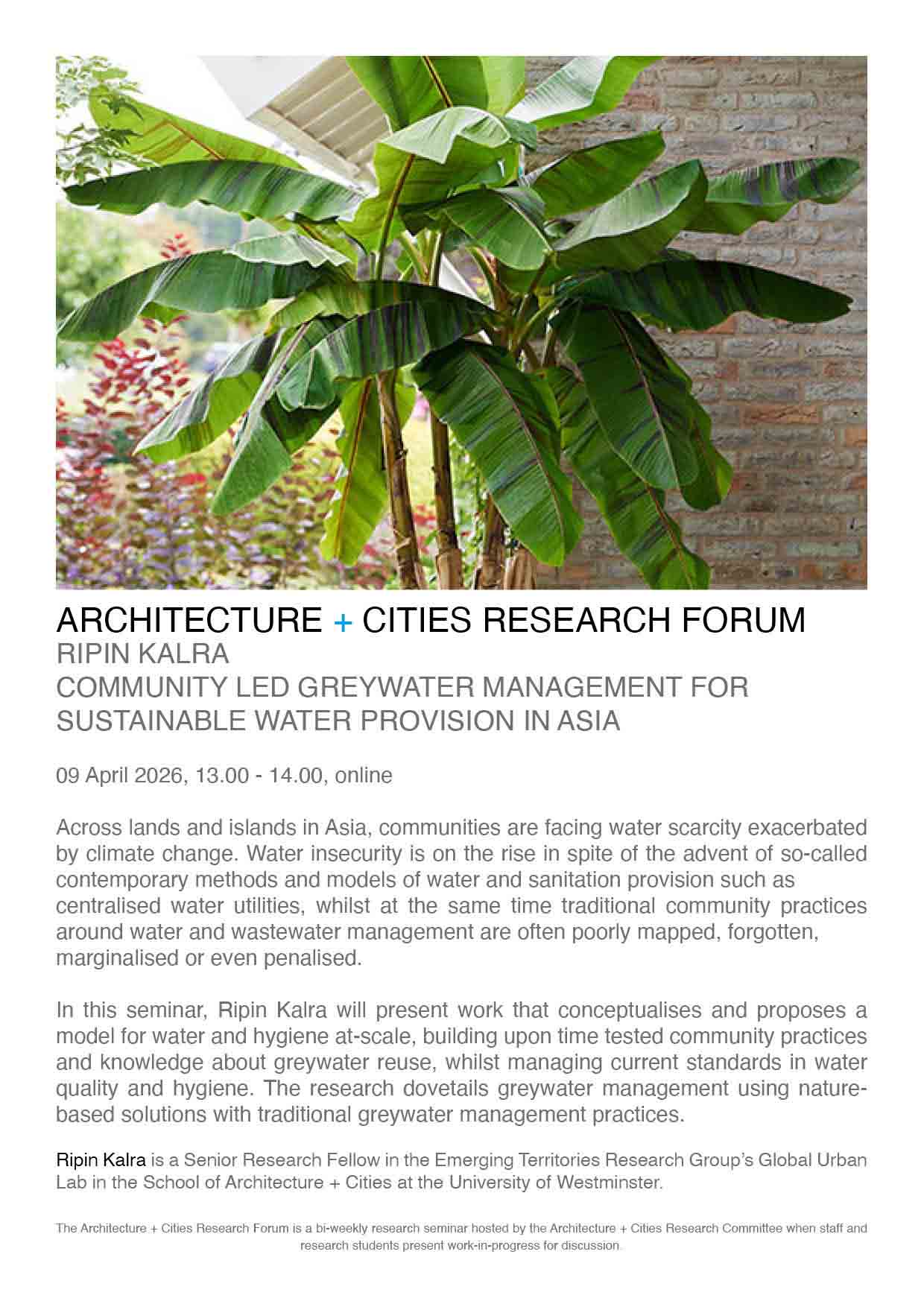
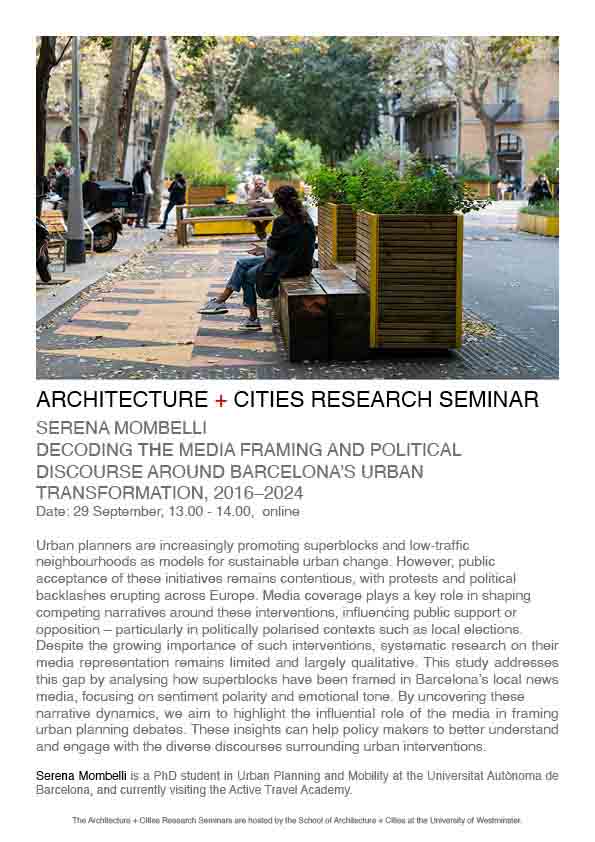
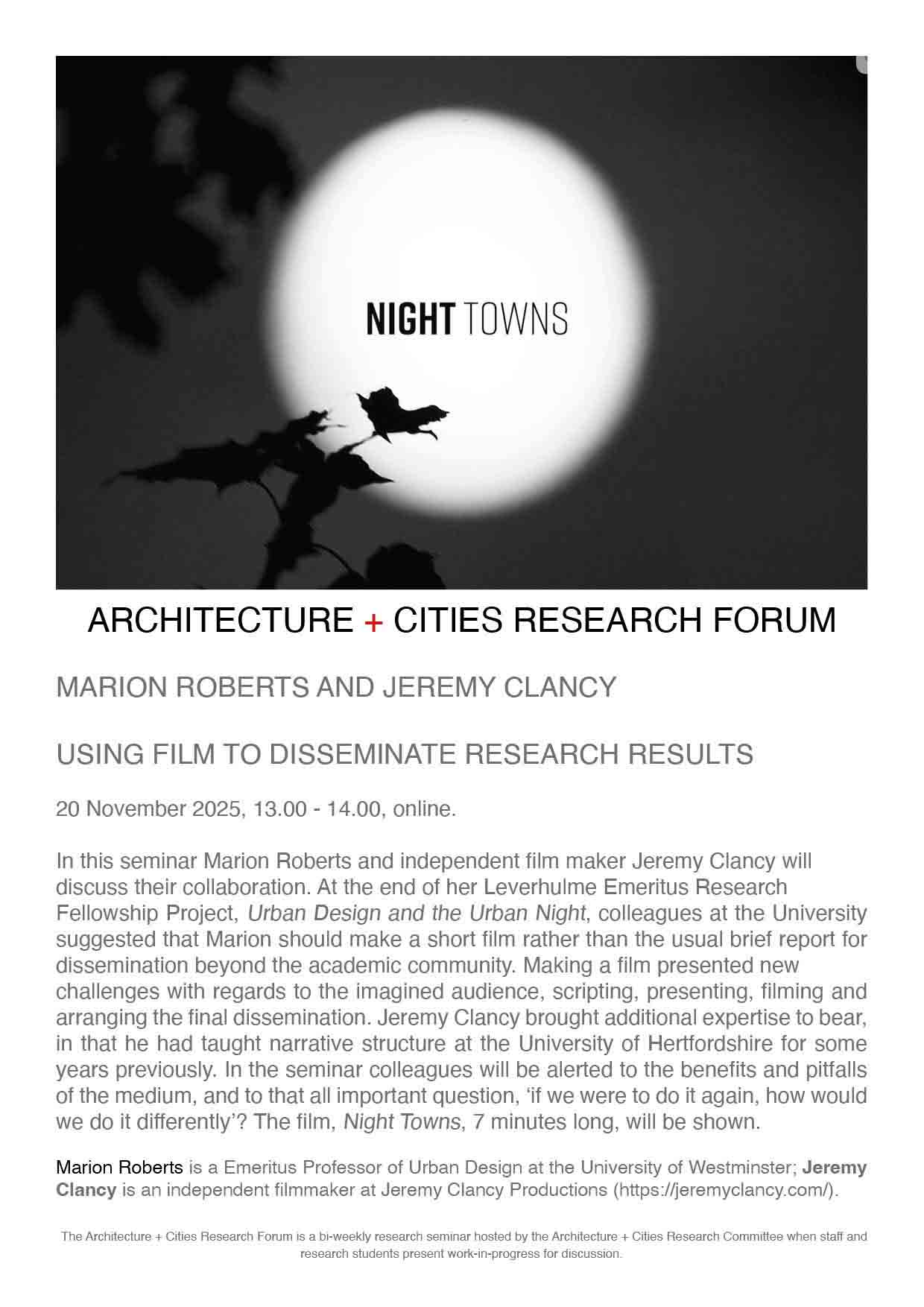
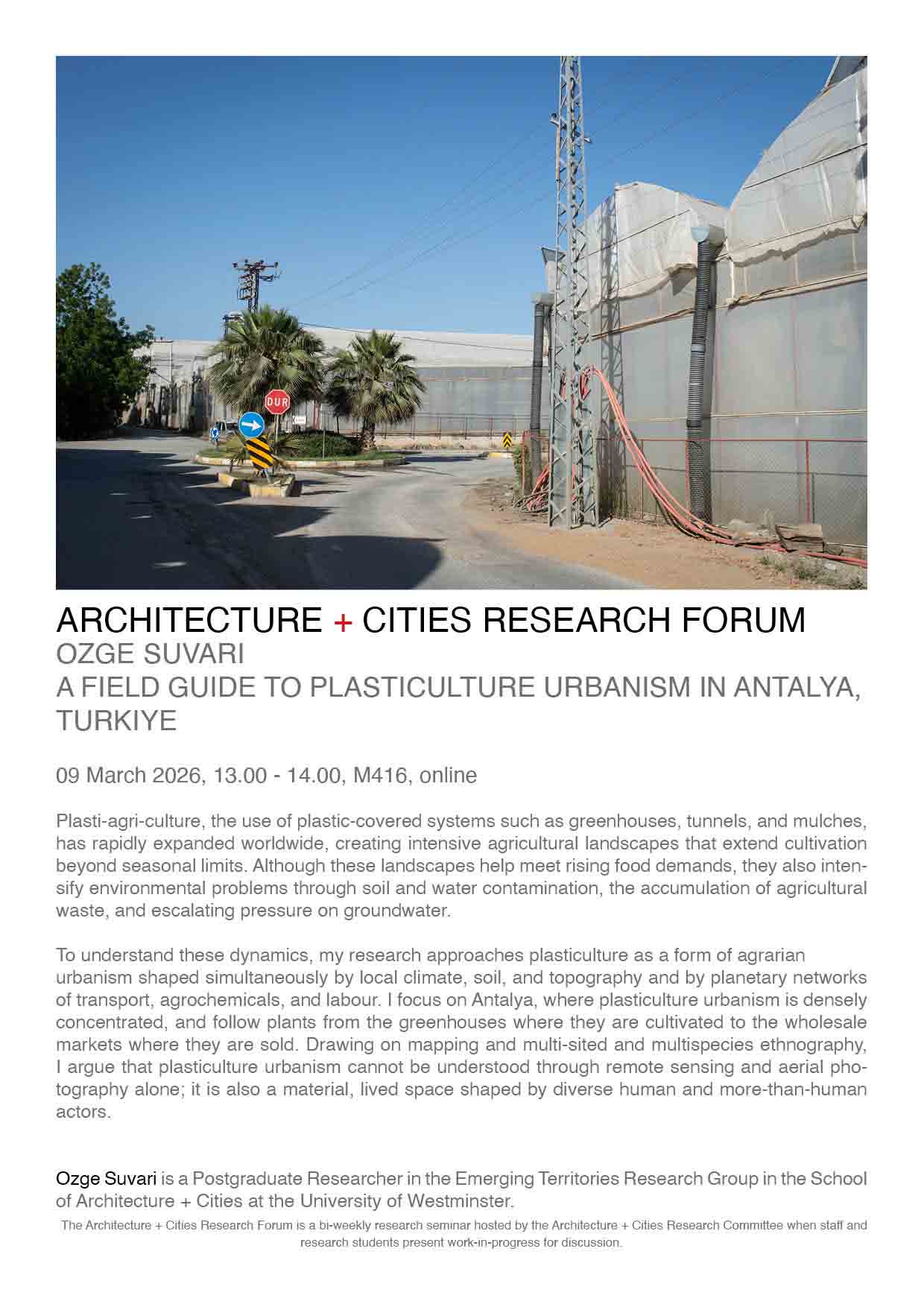
The RKE Committee runs a bi-weekly seminar series throughout the year and hosts inaugural professorial lectures and occasional events, which this year included a PhD Crit Day.
For more information about ongoing events and outputs by our research and knowledge exchange community go to:
http://www.openresearchwestminster.org/
Lindsay Bremner
Director of Research & Knowledge Exchange
Research Centres
Active Travel Academy [ATA]
The ATA is an interdisciplinary research and knowledge exchange centre that currently leads projects funded by organisations including NIHR, DfT and TfL. It hosts the Active Travel Studies journal and organises events including the regular Walking and Cycling@Teatime seminars.
Centre for Air Traffic Management Research
The Centre for ATM Research builds on around 40 years of air, rail and urban transport research, consultancy and teaching at the University of Westminster. We have coordinated and led work across over 40 major European ATM research projects, primarily funded by organisations including SESAR, Clean Aviation, EUROCONTROL and Horizon Europe.
Centre for the Study of Production of the Built Environment [PRobe]
ProBE offers a research hub providing a forum for debate and discussion, and a focus for interdisciplinary and international activity related to the Production of the Built Environment as a social, environmental and historical process.
Groups / Research
Architectural Humanities
The Architectural Humanities Research Group brings together colleagues who raise questions concerning the historical, social, political and natural contexts of architecture and the built environment. Its members work in critical yet open-ended ways, engaging with a range of disciplines to interrogate our relationship with the worlds we build and have built.
Design Practices
The Design Practices Research Group unites designers who teach and research through practice with academic researchers using formal design methods. The group aims to advance understanding, promote innovative approaches, and encourage ongoing debate about the role of design within complex system interactions.
Emerging Territories
The Emerging Territories Research Group focuses on societal and environmental challenges faced by cities and territories. It has two subgroups: the Environmental Humanities Working Group seeks to develop awareness and methodologies for a more-than-human world; while the Global Urban Lab builds partnerships and methodologies for decolonial practice in planning and architecture.
- Krystallia Kamvasinou
- Enrica Papa “Just Streets”
- Enrica Papa “Co/Align”
- Erica Papa “Common Access”
- Giulio Verdini & Luz Navarro
- Maja Jović & Johannes Novy
Heritage and Place
The Heritage and Place Research Group addresses the methods by which societies manage and memorialise buildings, places and sites over time. The group considers themes including identity, belonging, memory and ownership.