BA Urban Planning and Design Year 2 BA Urban Planning and Design
TUTORS: Luz Navarro & Harry Charrington
City Design Studio 2
The Year 2 studio’s pedagogy encourages students to develop climate-responsive design strategies, navigating the socio-spatial and environmental challenges shaping urban transformation.
The Climate Urbanism Studio investigates how to build climate resilient, healthy and inclusive neighbourhoods in the face of increasingly frequent shocks and stresses shaping contemporary cities. Climate change is approached not as an environmental variable alone, but as a constitutive urban condition that reshapes infrastructures, institutions, spatial relations and everyday life. The studio treats climate as inseparable from questions of health, inequality, governance and economic transformation, and situates design as a critical tool for engaging with these interdependencies.
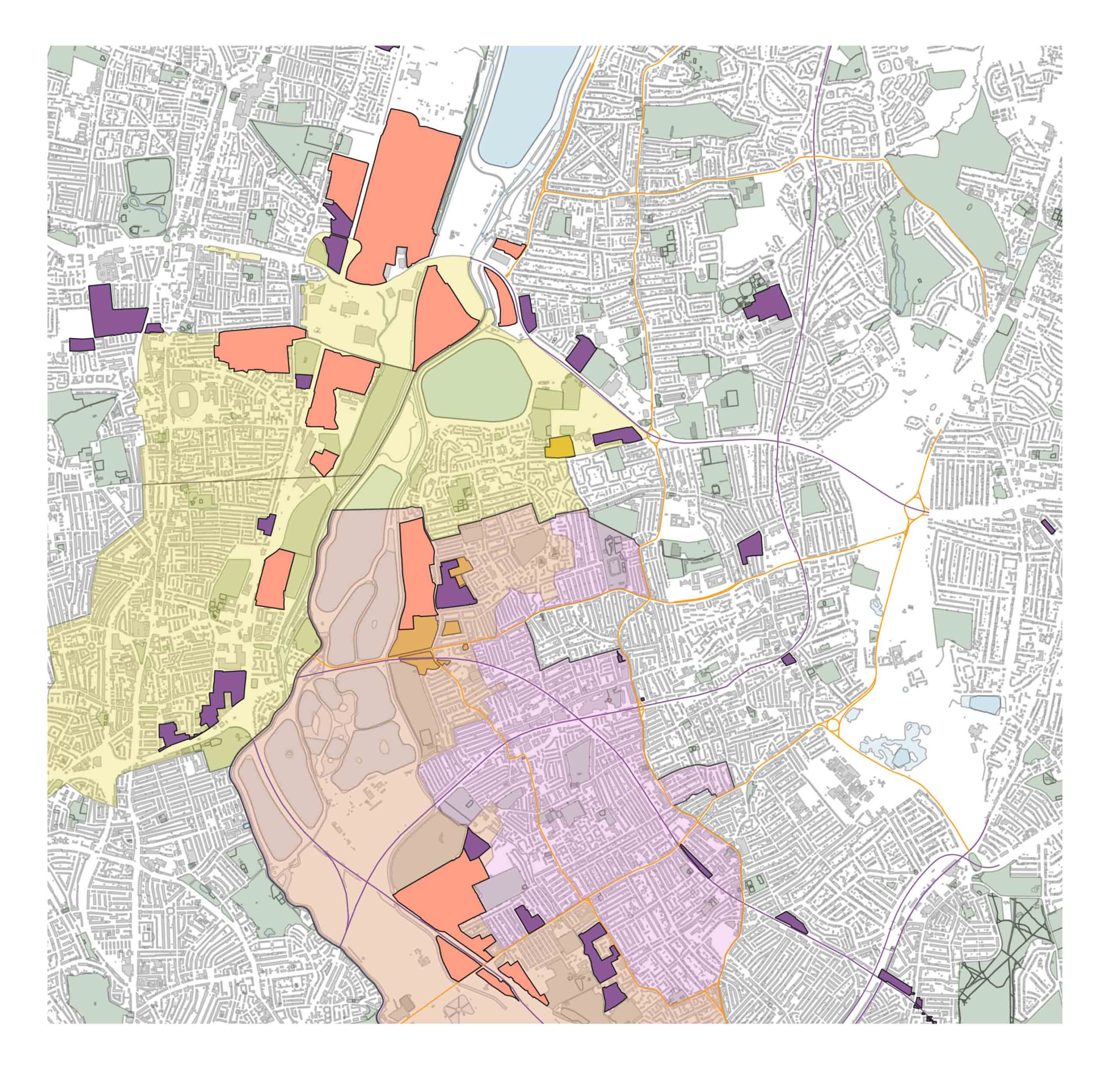
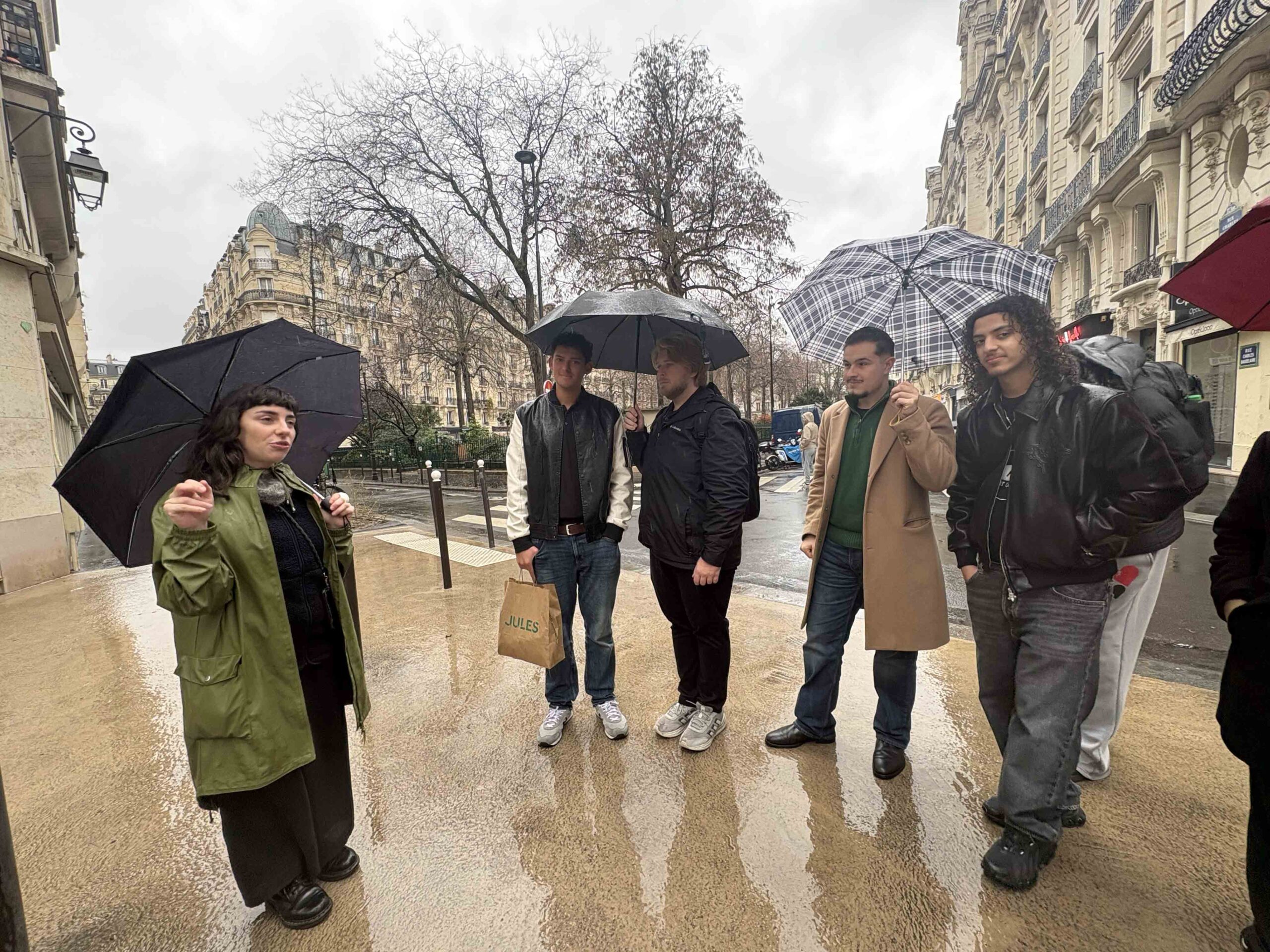
Building on the spatial literacy and tactical design skills developed in Year 1, Year 2 focuses on translating analytical insight into design and planning at the scale of the neighbourhood. Taking the climate emergency as a starting point, students explore how climate, health and economic challenges materialise unevenly, and how design decisions shape exposure to risk, access to resources and agency in urban transformation. Through fieldwork and critical mapping exercises, students develop a deeper understanding of urban vulnerability and climate justice, working within an integrated analytical and design framework that recognises the roles of communities, local authorities and other institutions.
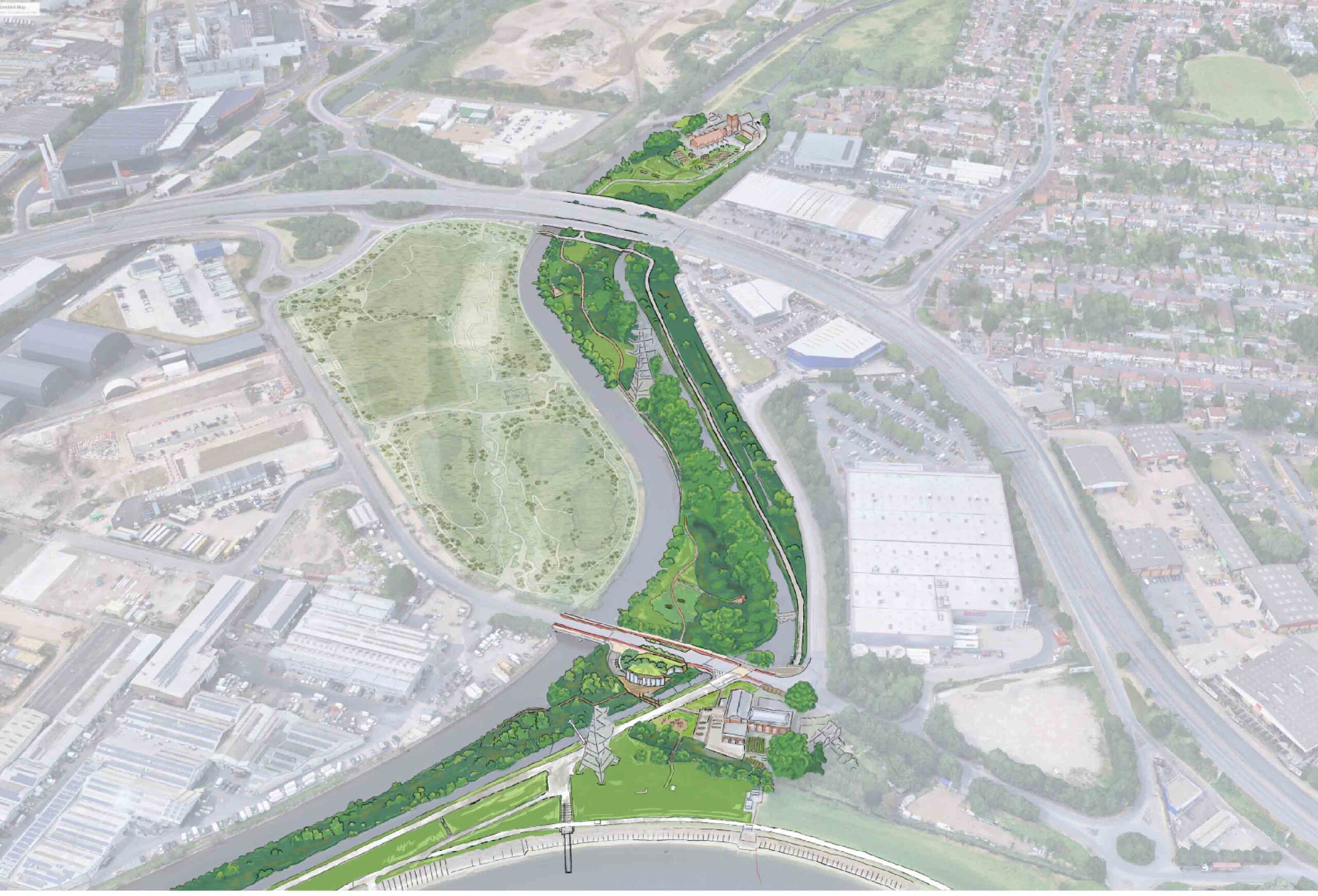
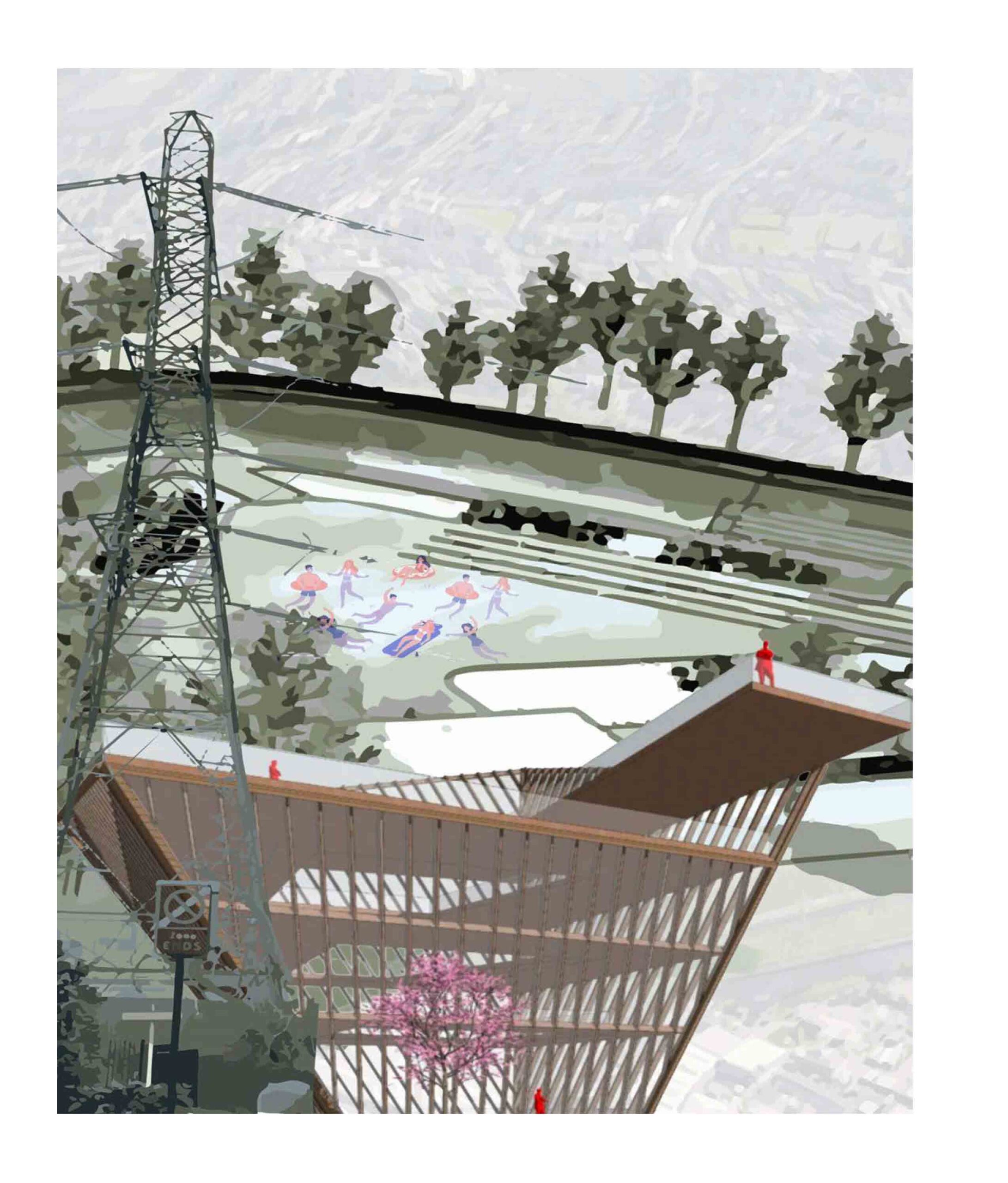
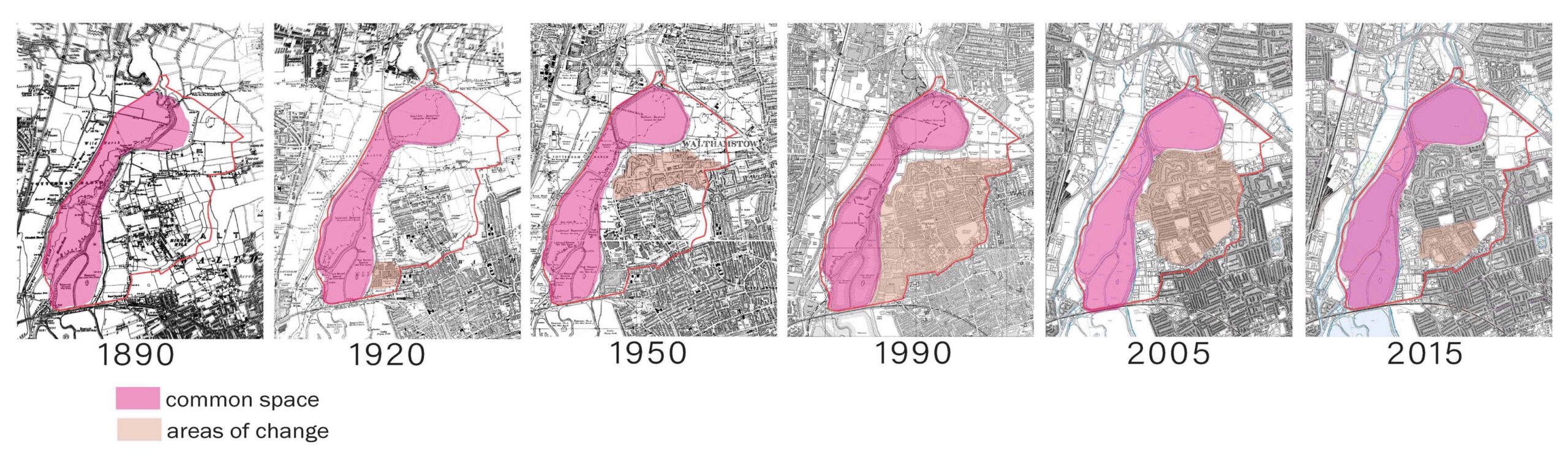
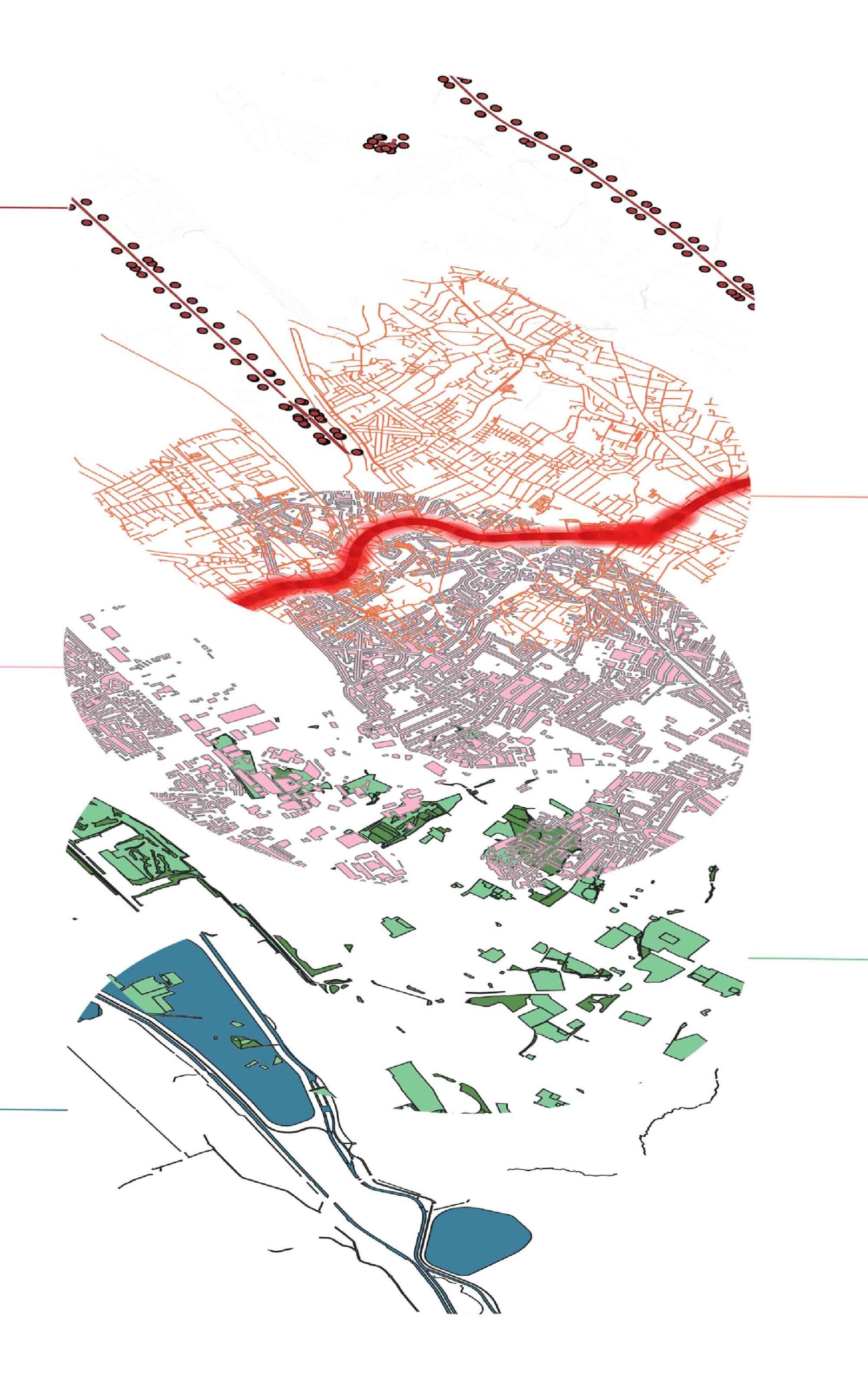
The case study for this year’s design project was the Banbury Reservoir Area, located at the boundary between the boroughs of Waltham Forest and Enfield. Despite being one of the largest potential green assets for both boroughs, the area has long functioned as a fragmented and inaccessible ‘backland’. Students developed small‑scale but strategic interventions to improve access and connectivity, address environmental risk and reimagine the area as shared civic and ecological infrastructure supporting health, wellbeing, climate resilience and long‑term stewardship.