


Studio As Book
SERIES OF PUBLICATIONS THAT TENDER THE EXTRAORDINARY CREATIVE WORK UNDERTAKEN IN THE SCHOOL OF ARCHITECTURE + CITIES’S DESIGN STUDIOS, UNIVERSITY OF WESTMINSTER.
Studio as Book is a series of yearly publications that tender the extraordinary creative work undertaken in the School of Architecture + Cities’ design studios – in detail. The series includes undergraduate and graduate level work, and is intended to sit alongside the Open Exhibition and catalogue. Each book in the series covers the work of a single design studio over the course of at least two years. Its objectives are:
- To record, archive, and present the pedagogical programme and creative student outputs of a design studio
- To position the work of a design studio within a broader intellectual, scientific or aesthetic field
- To advance the design driven research being undertaken in the design studios
- To provide a reference for future iterations and variations of a design studio
Reducing the creative output of a multi-year design studio to a single volume, using a pre-designed book template is no easy undertaking, and it is necessarily selective. At the same time, it provides a consistent, sure platform for the wide range of approaches to the discipline of teaching architectural design which characterise the department.
Each Studio as Book has been peer-reviewed on the basis of a proposal submitted by the studio’s tutors to an editorial committee. In addition to studio briefs and student work, each book includes content that draws out the studio’s research and pedagogical agenda. The format that this takes varies from book to book – reflective essays by tutors or past students, interviews, theoretical essays from parallel fields, and so forth.
I wish to acknowledge the contribution of the following in bringing this project to fruition: Lindsay Bremner, Director of Research and Knowledge Exchange, who was the driving force behind the series, Mark Boyce, author of Sizes May Vary, A workbook for graphic design (Lawrence King, 2008) – and Mirna Pedalo and Filip Visnjic who host the Studio as Book page on the OpenStudioWestminster website.
Harry Charrington
Former Head of School of Architecture + Cities, University of Westminster
Books are available from online book stores via the links provided or as hard copies from the CAT Lab, School of Architecture + Cities. For further information contact Ed Lancaster at E.Lancaster1@westminster.ac.uk
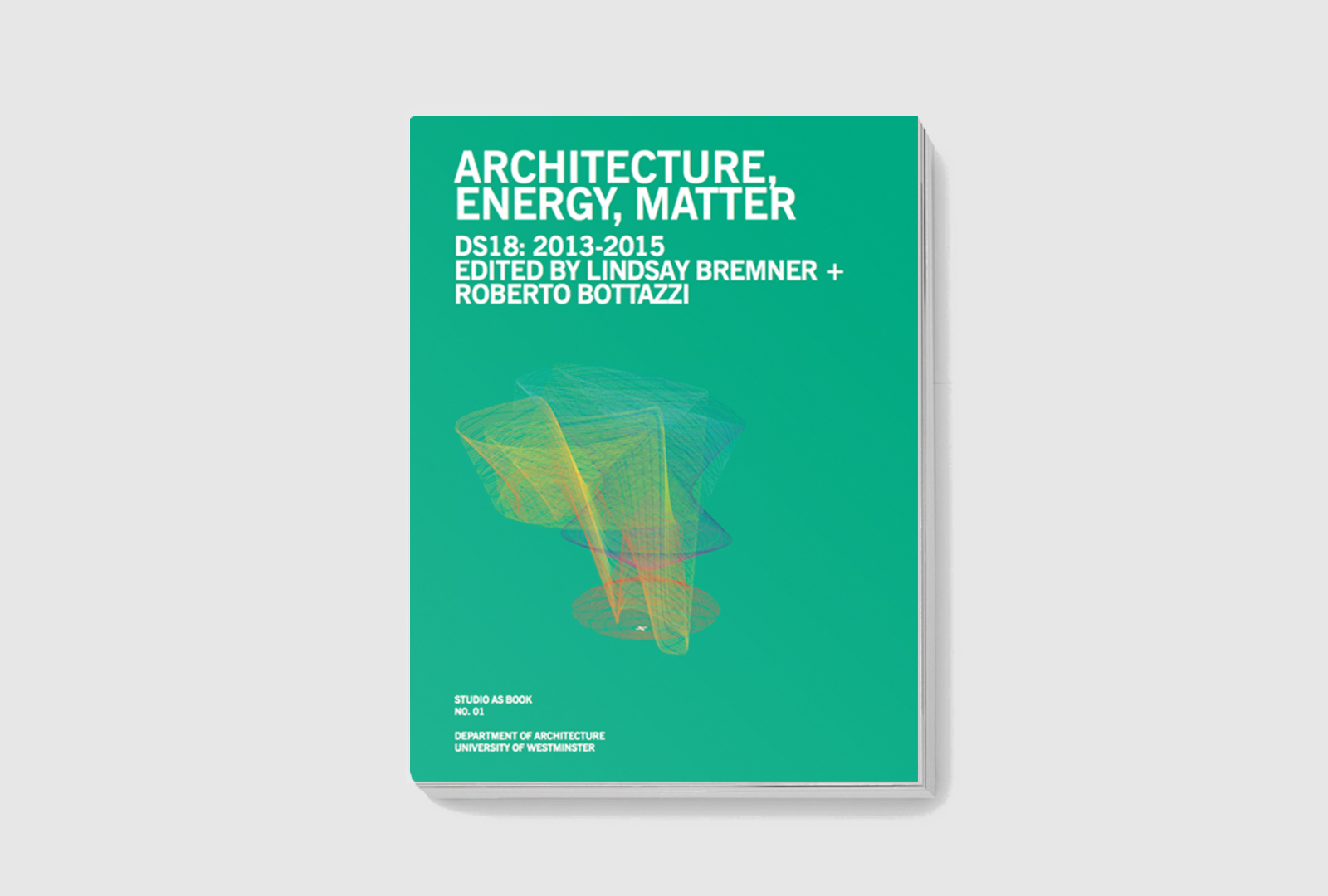
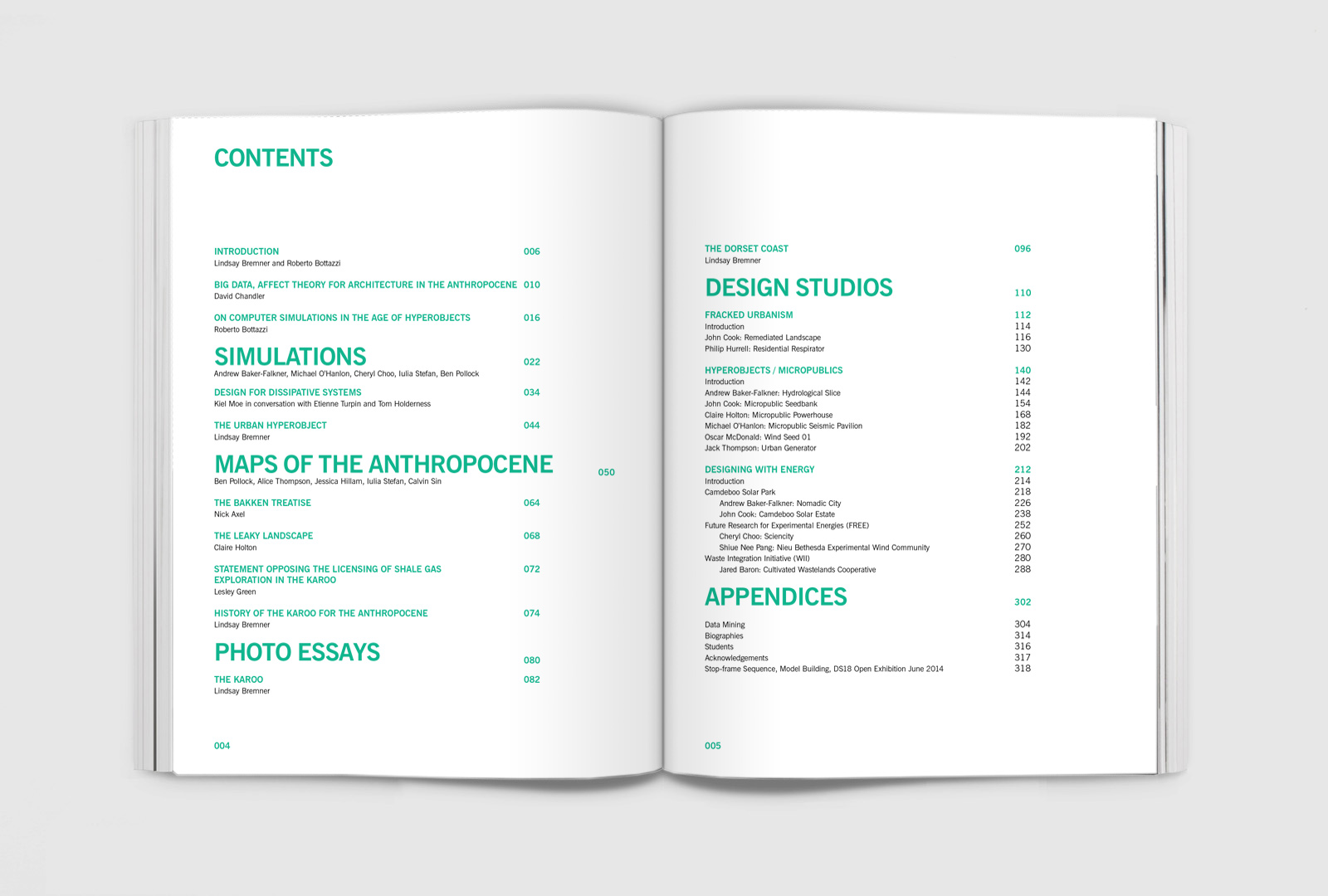
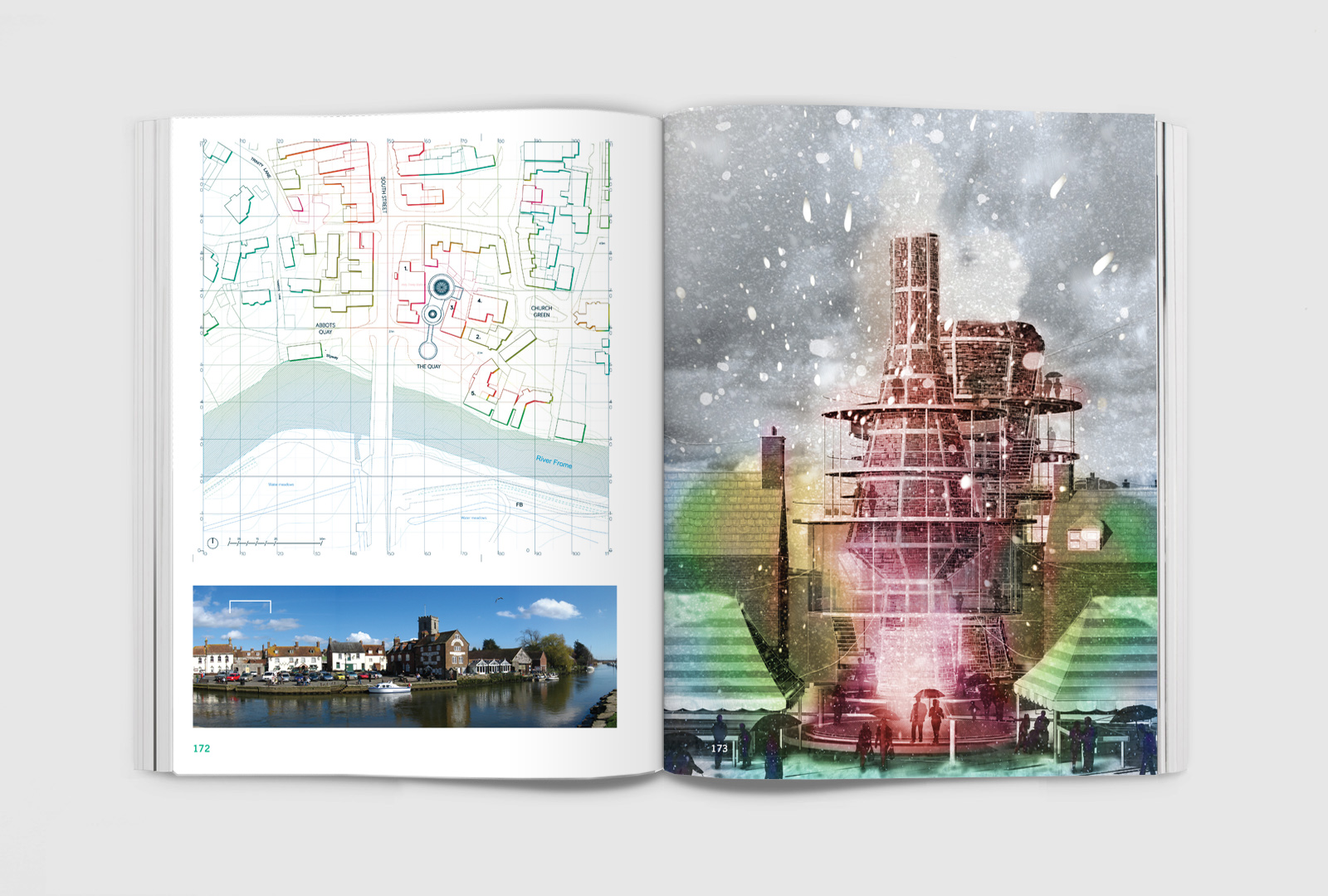
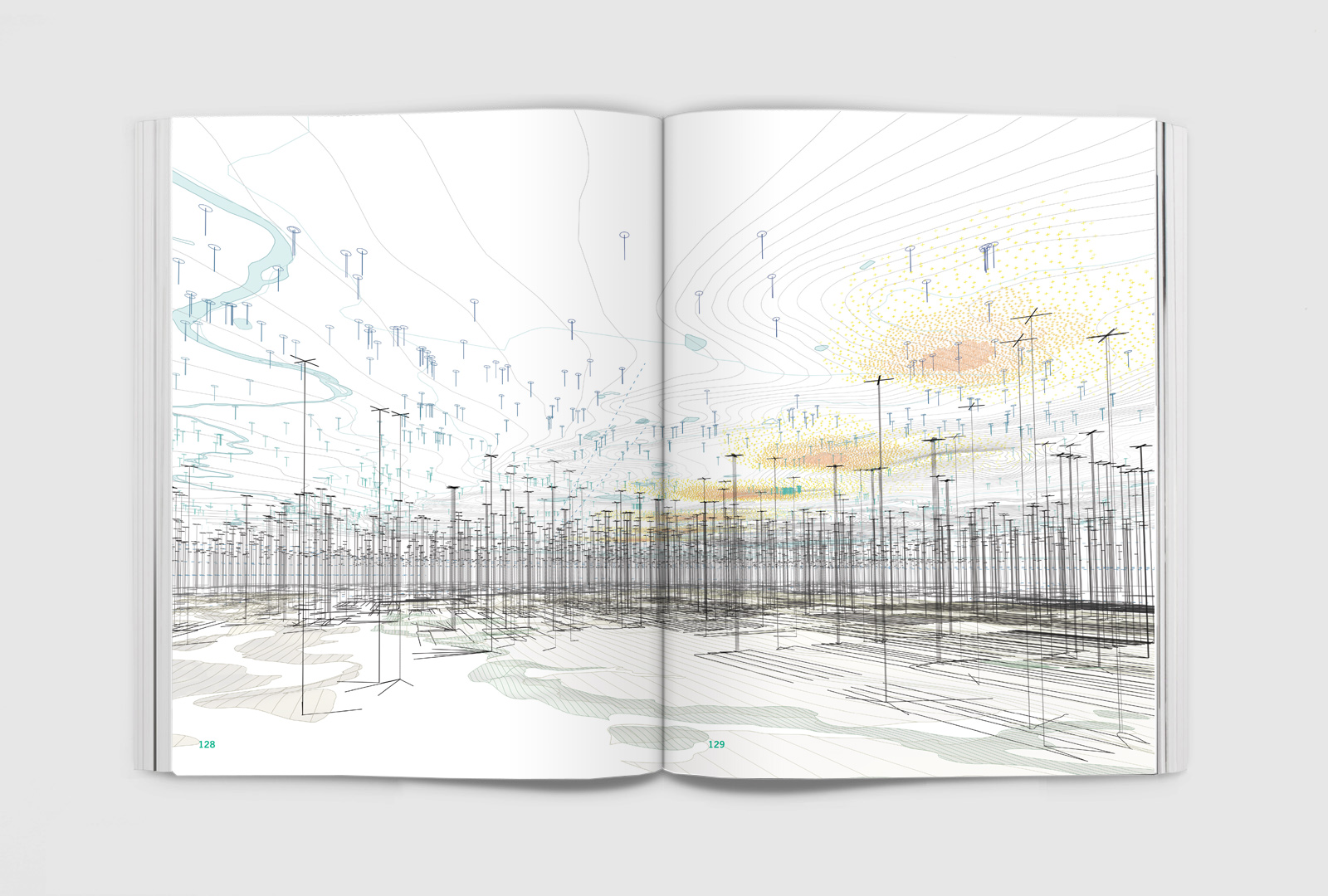
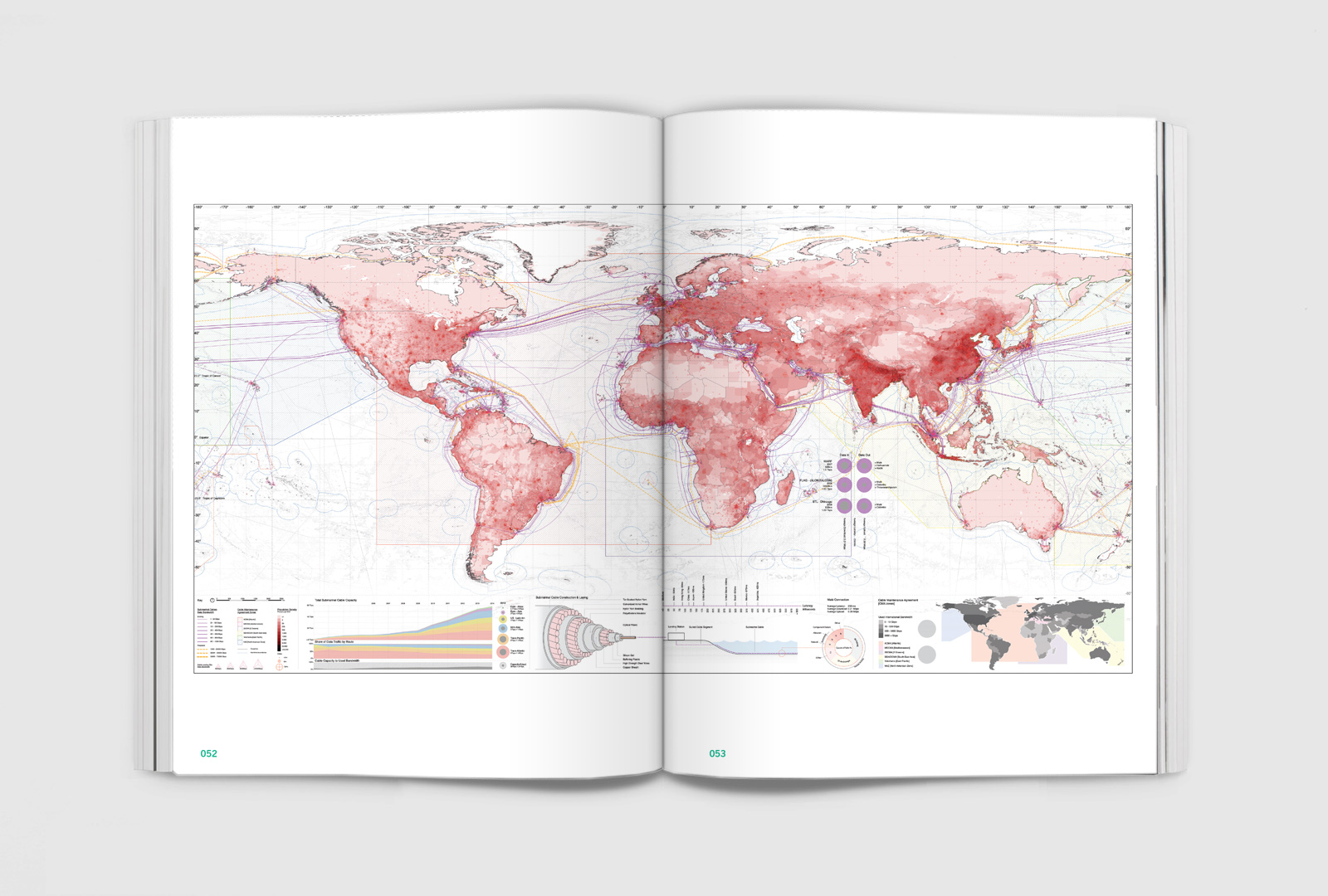
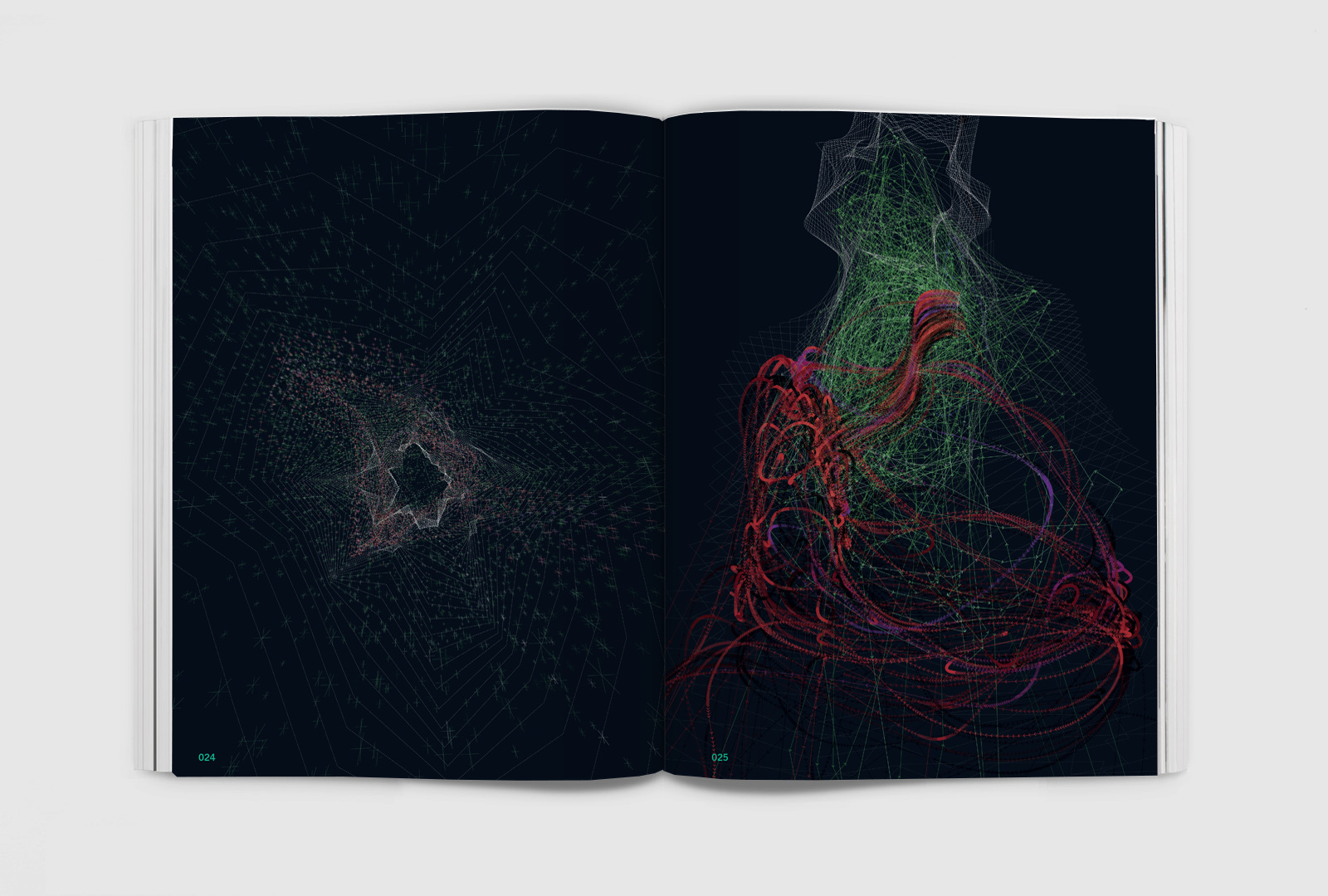
1. DS18 / ARCHITECTURE, ENERGY, MATTER
This edition of studio-as-book comprises a collection of essays and an edited selection of the work produced by M.Arch Design Studio 18 (DS18) tutored by Lindsay Bremner and Roberto Bottazzi, 2013-2015. The aim of the studio over this period was to approach problems of energy, energy infrastructure and resource extraction as architectural questions i.e. as political, cultural and aesthetic problems, as much as technological ones. Computational tools were used to simulate material processes and to enlist, visualise and enliven data in the service of design.
Editied by Lindsay Bremner and Roberto Bottazzi / DS18 (2016)
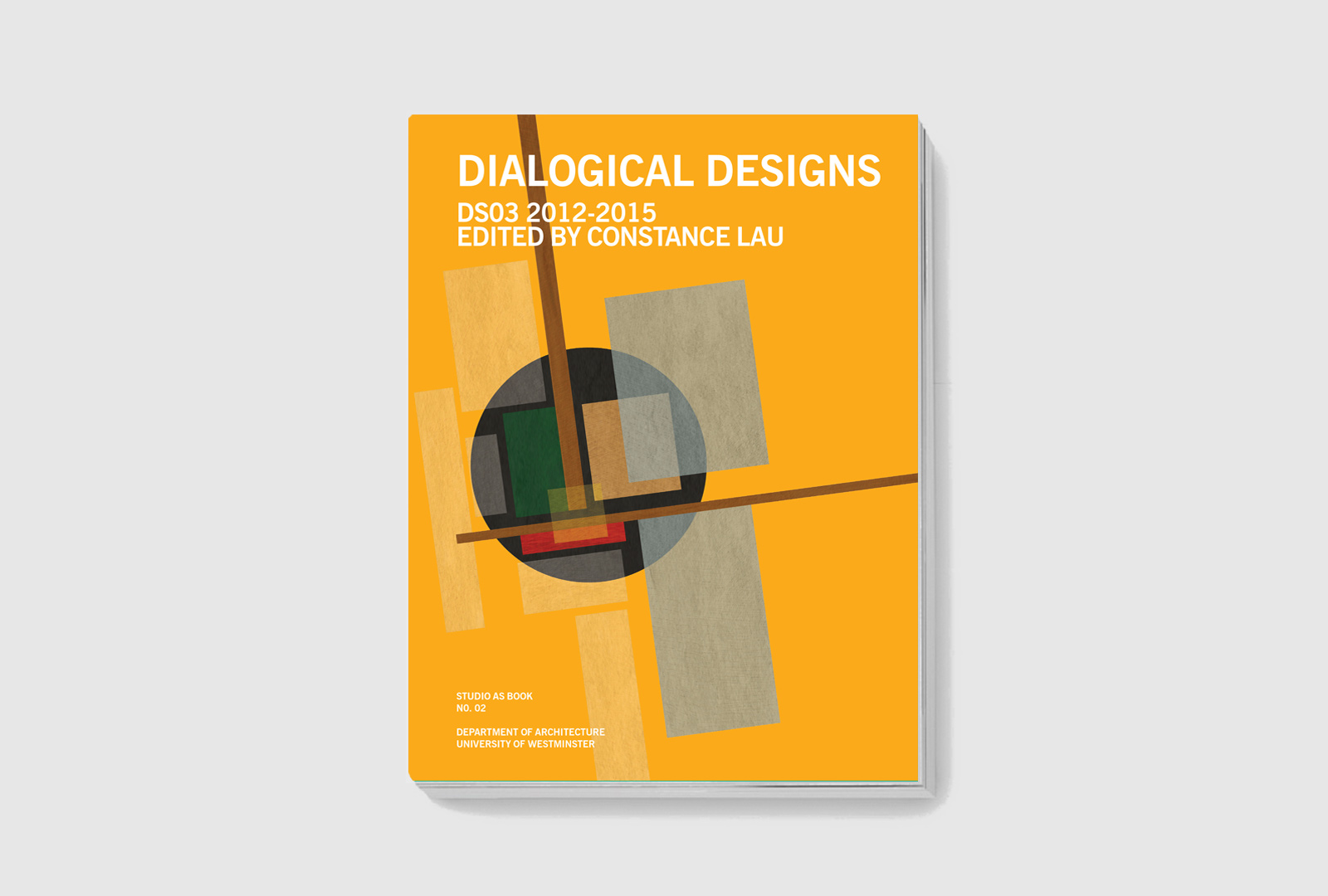
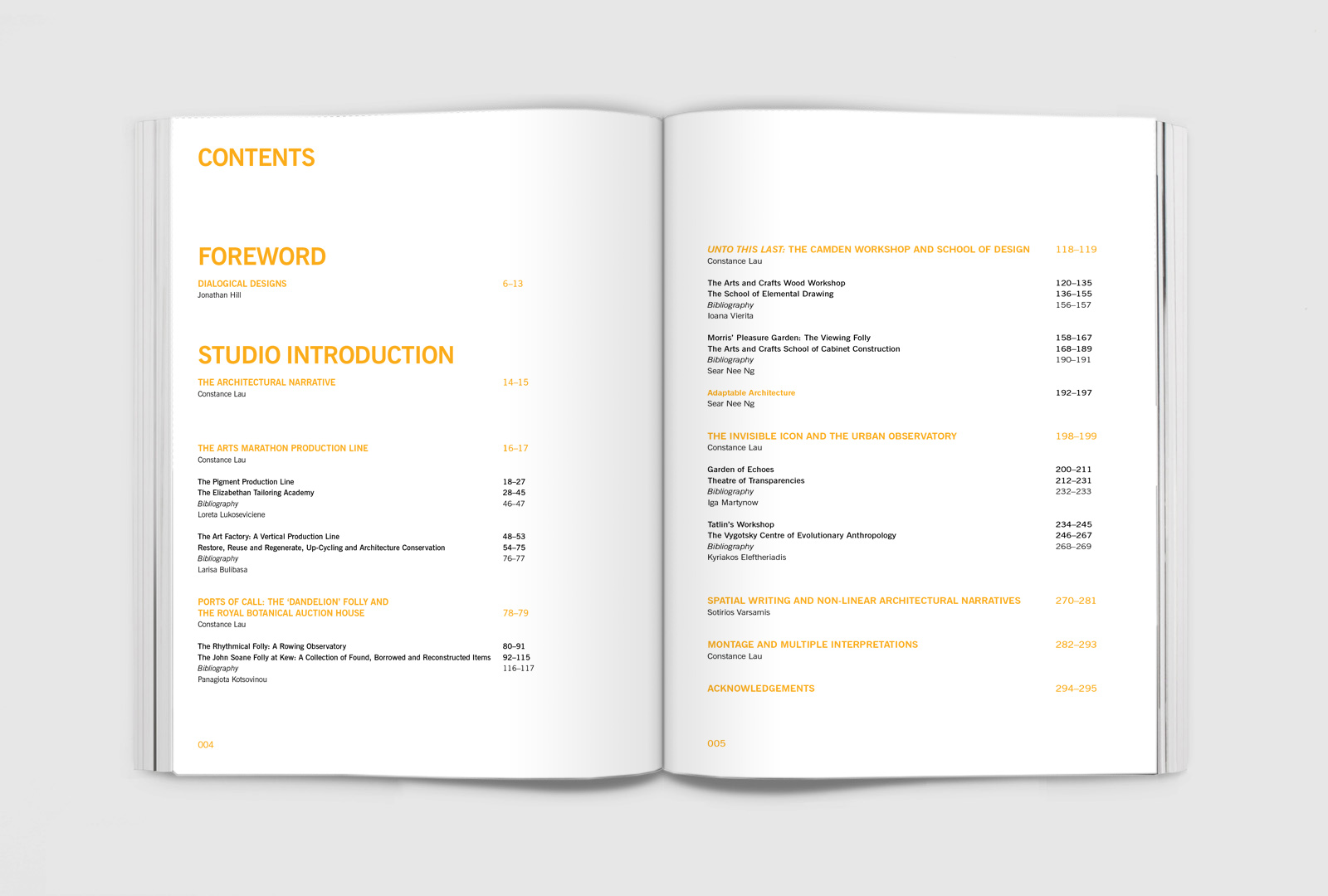
2. DS(3)3 / DIALOGICAL DESIGNS
This edition of studio-as-book by Design Studio 3 (DS03) comprises a collection of essays and an edited selection of undergraduate design work tutored by Constance Lau and Claire Harper, 2012-2015. The studio’s interest in multiple interpretations is approached by means of the architectural narrative. This is constructed as a design tool and employed to integrate the different facets of research material during the working process. Consequently the experience of architecture is seen as ongoing theoretical and physical responses. Design authorship furthers this practice by means of precise decisions which encourages user involvement, resulting in the creation of new meanings and different readings of the work.
Edited by Constance Lau / DS(3)3 (2016)
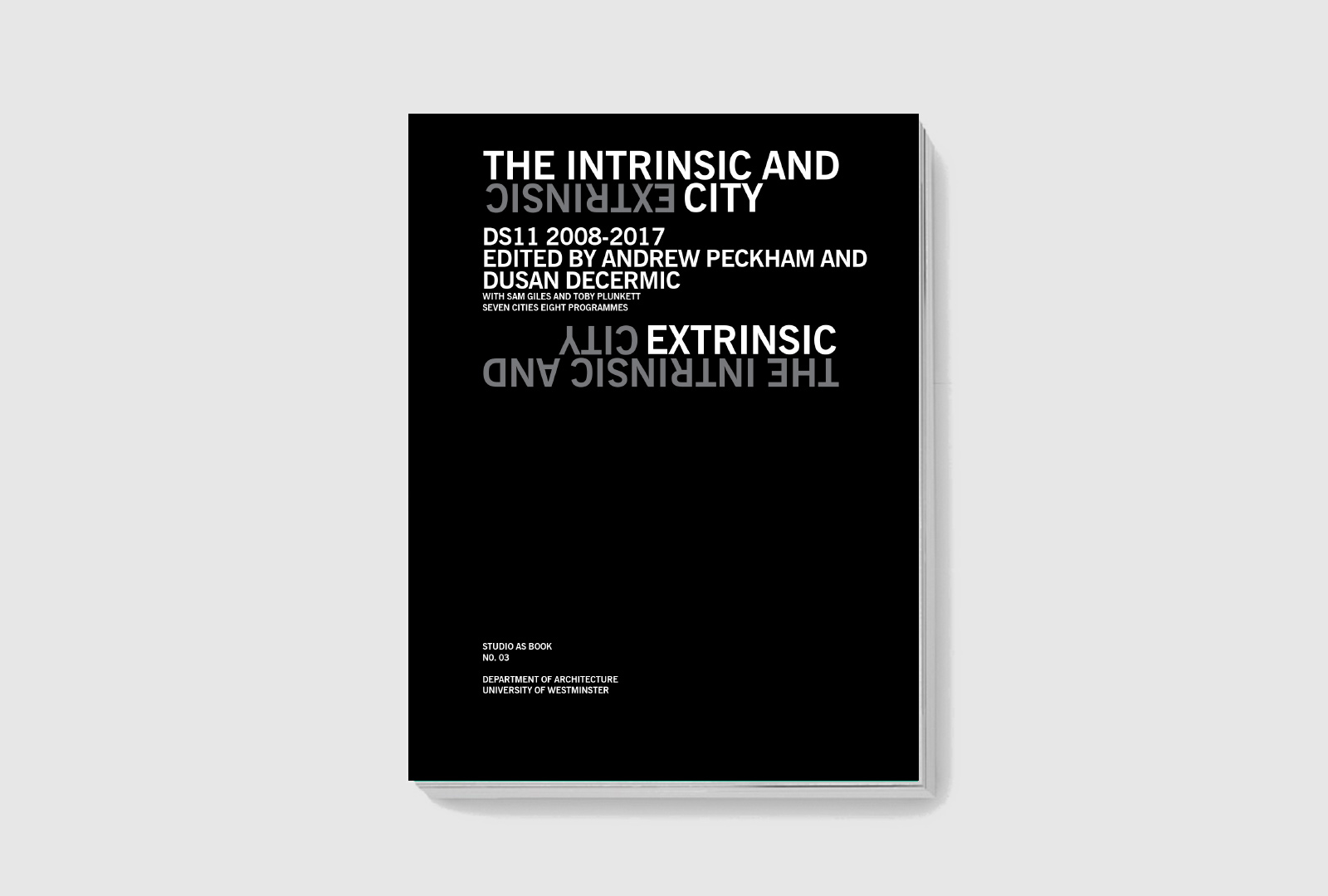
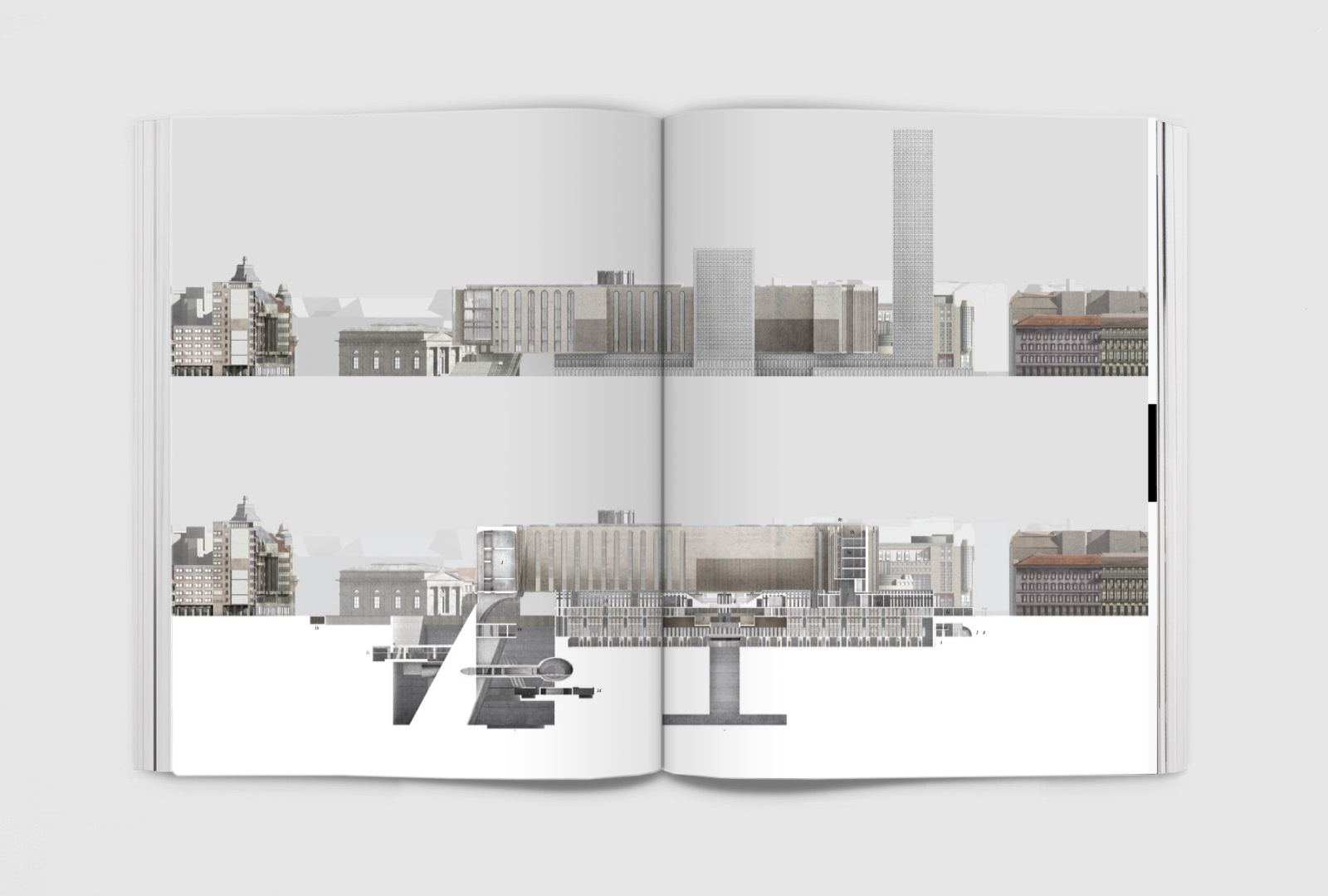
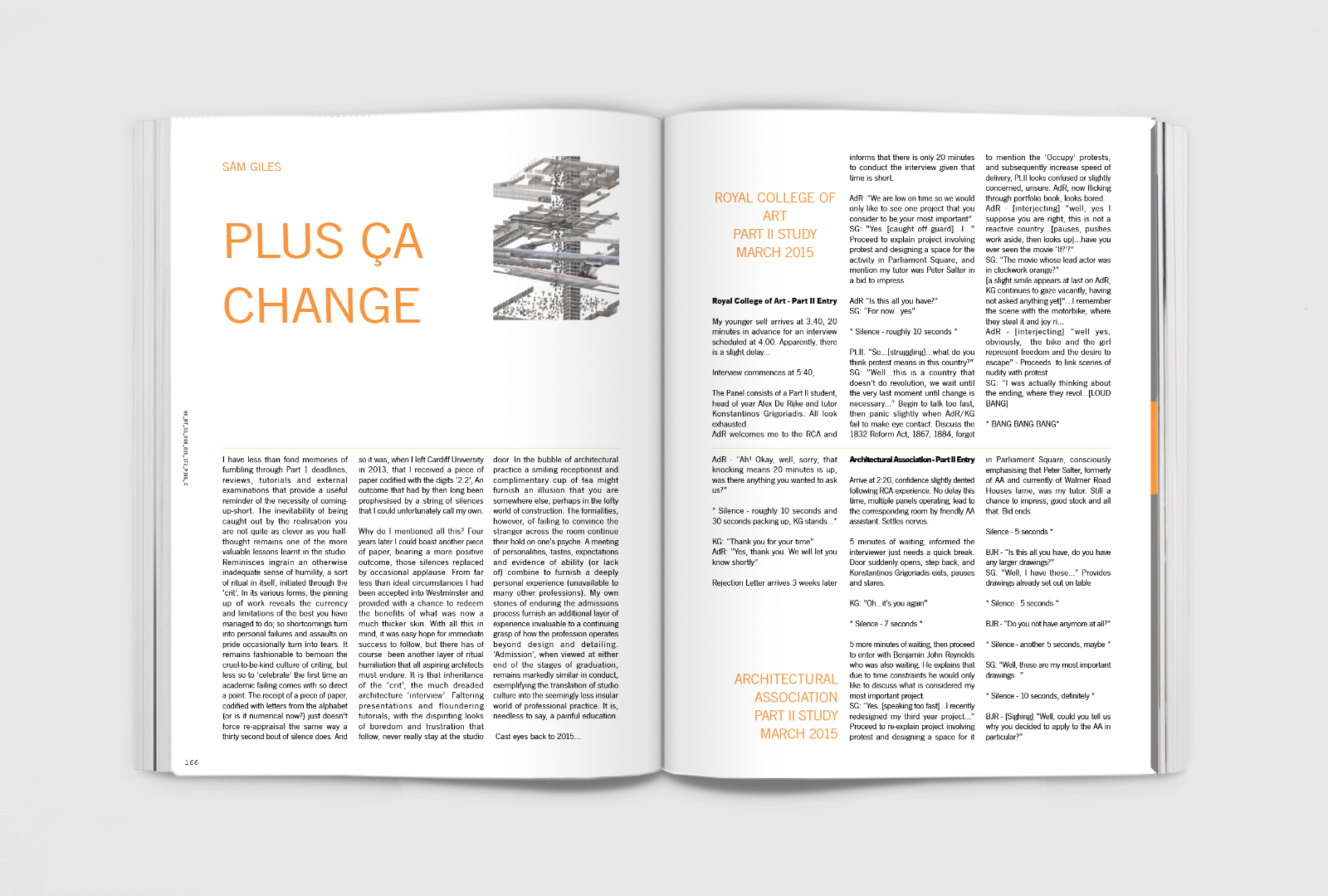
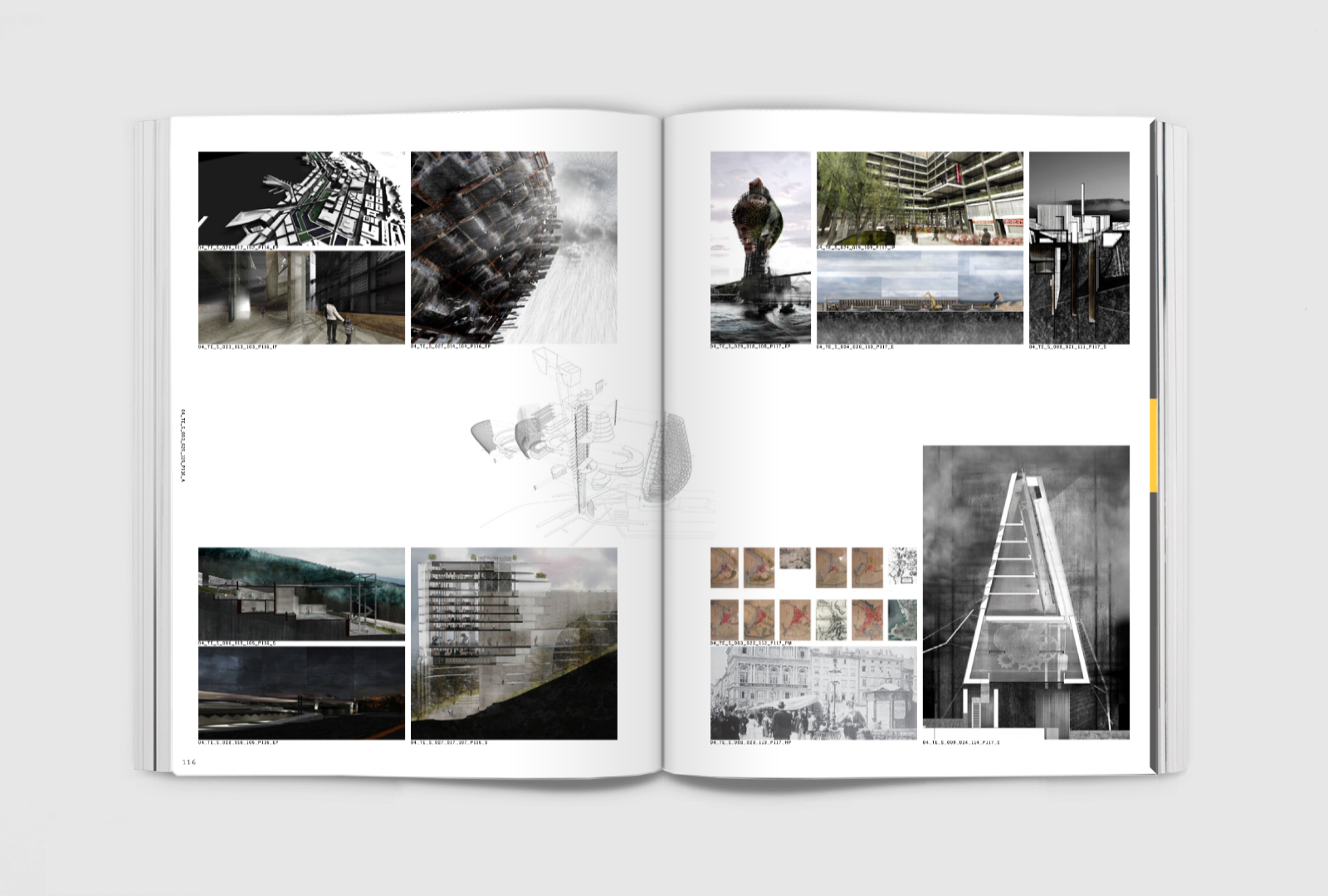
3. DS11 / THE INTRINSIC AND EXTRINSIC CITY
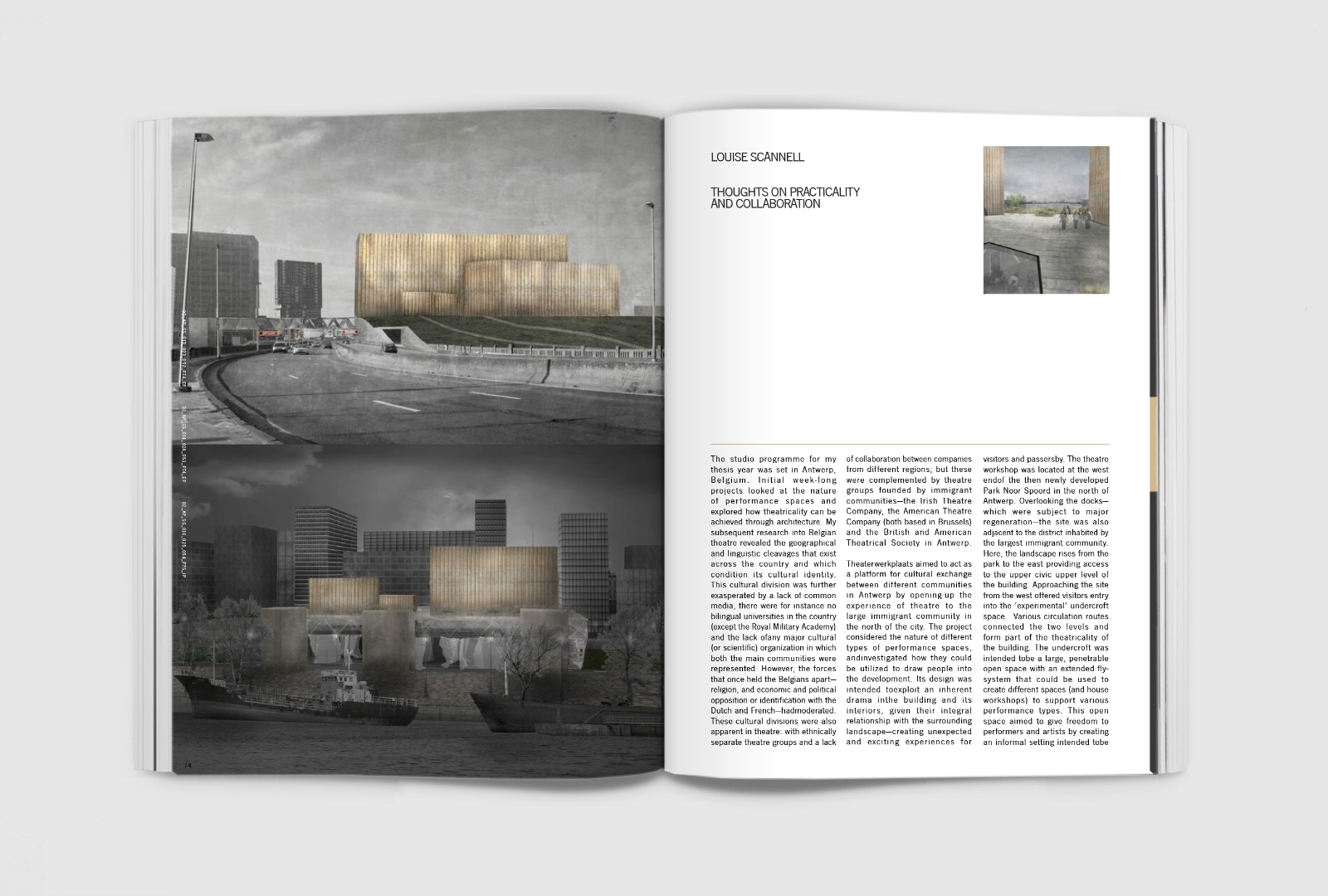
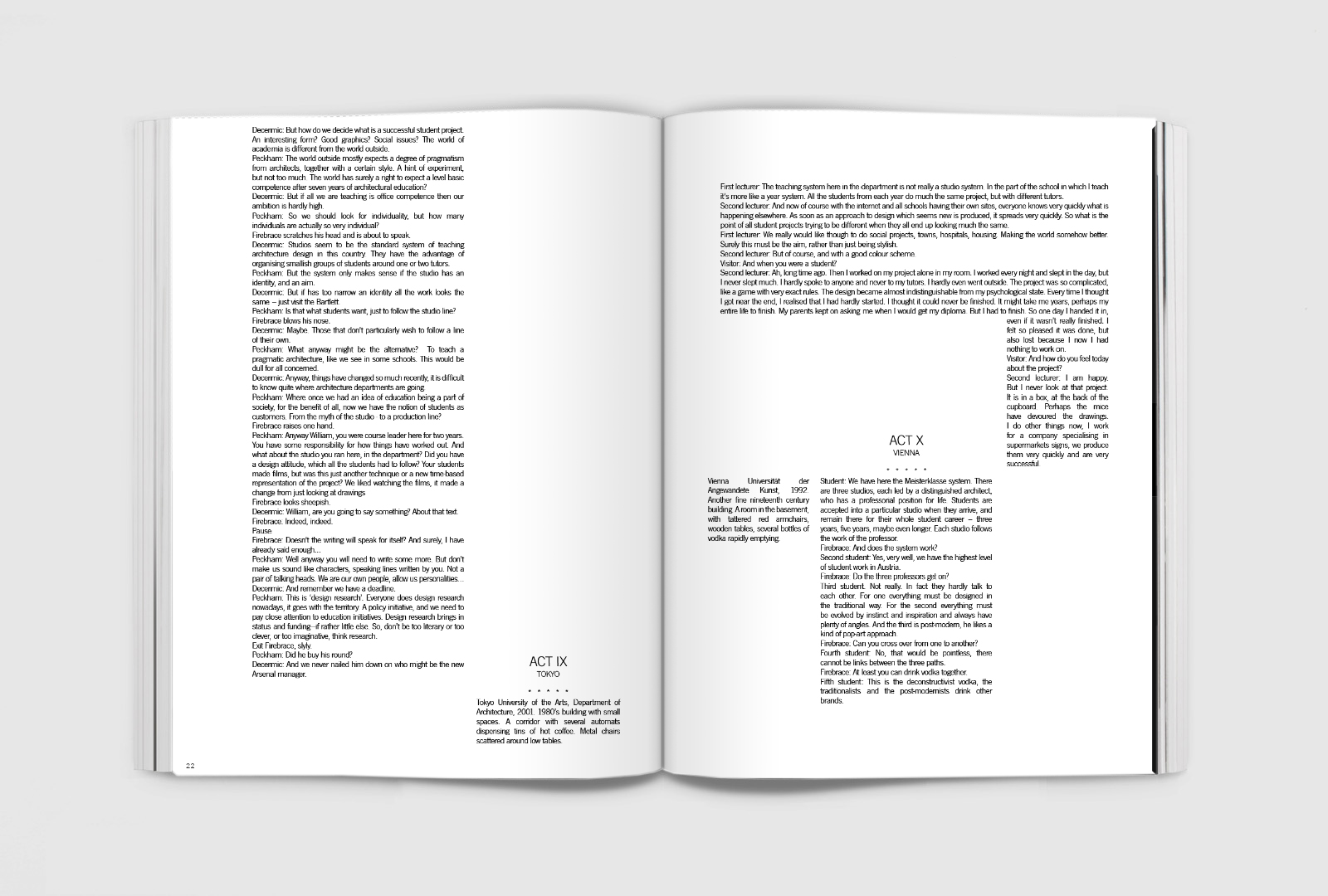
This edition of studio-as-book is edited by Andrew Peckham and Dusan Decermic, with Sam Giles and Toby Plunkett. It covers the work of M.Arch Studio 11 based on seven distinct European cities, exploring the evolving role of both public buildings and space, each providing a springboard for specific set of programmes as presented in the book, detailing studio’s research and production methodologies. Reflective essays by DS11 students, now in active practice and external contributors further elaborate on the nature of this studio’s work.
Edited by Andrew Peckham and Dusan Decermic / DS11 (2018)
with Sam Giles and Toby Plunkett
Seven Cities Eight Programmes
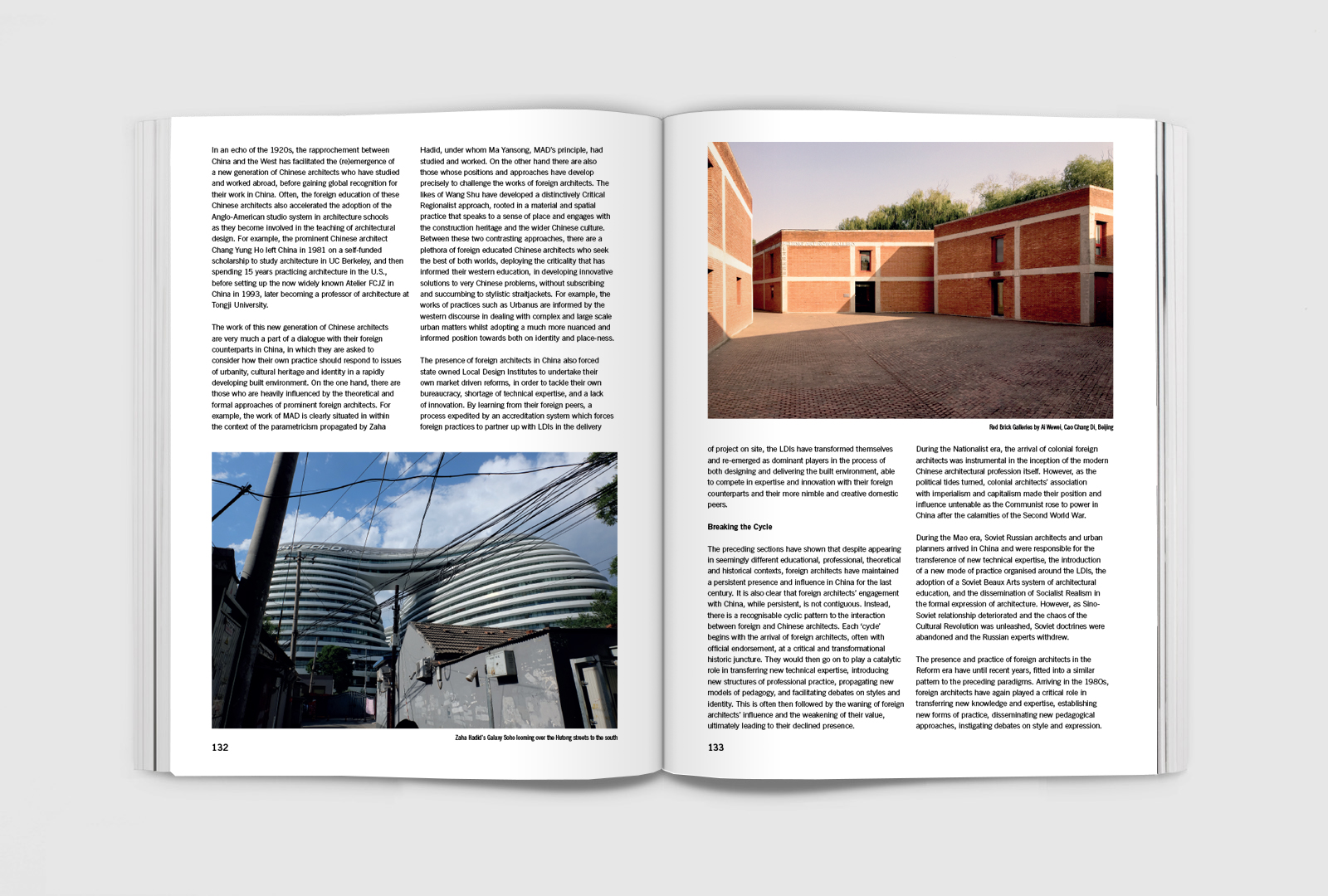
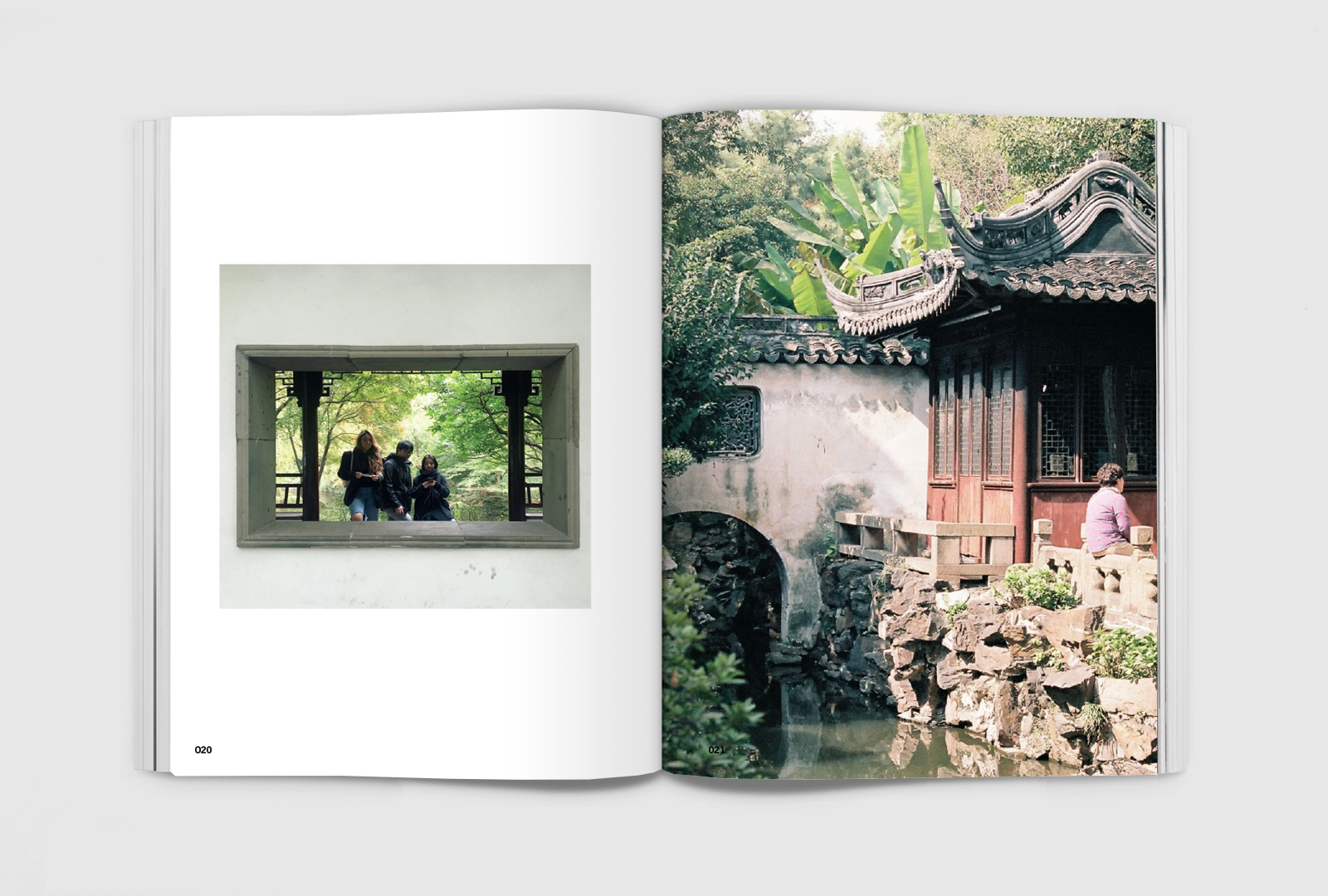
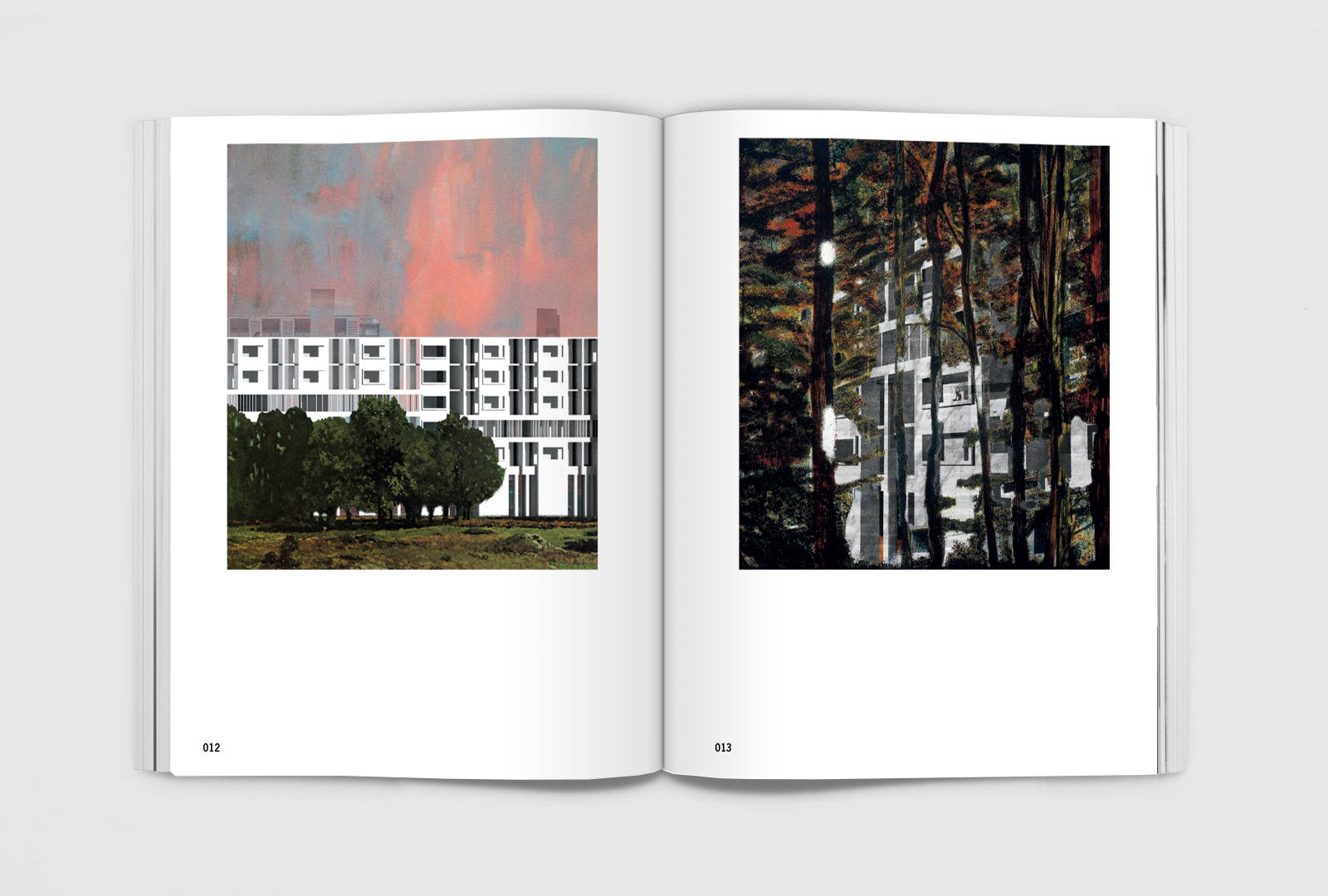
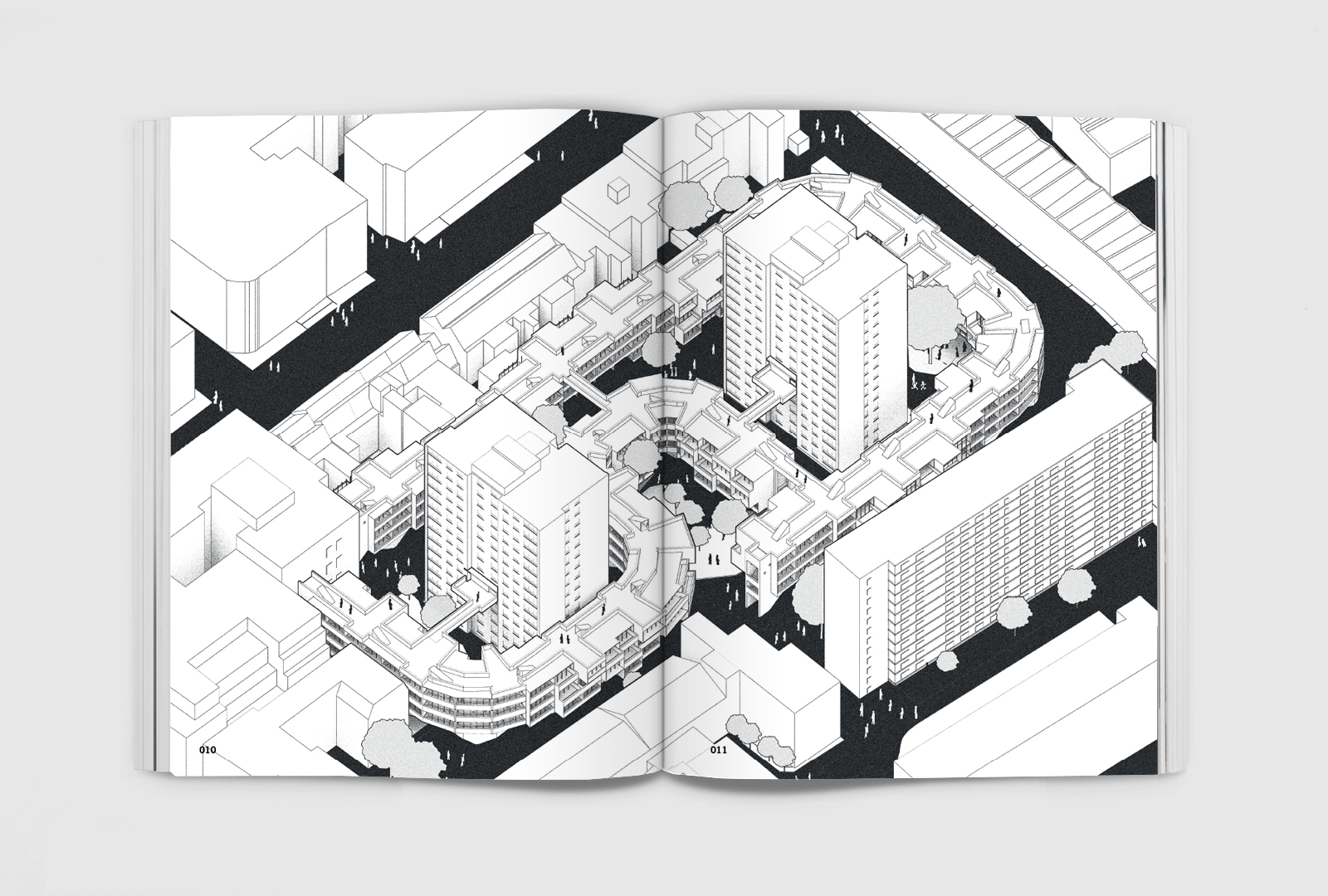
4. DS(3)7 / JID: A TALE OF TWO CITIES
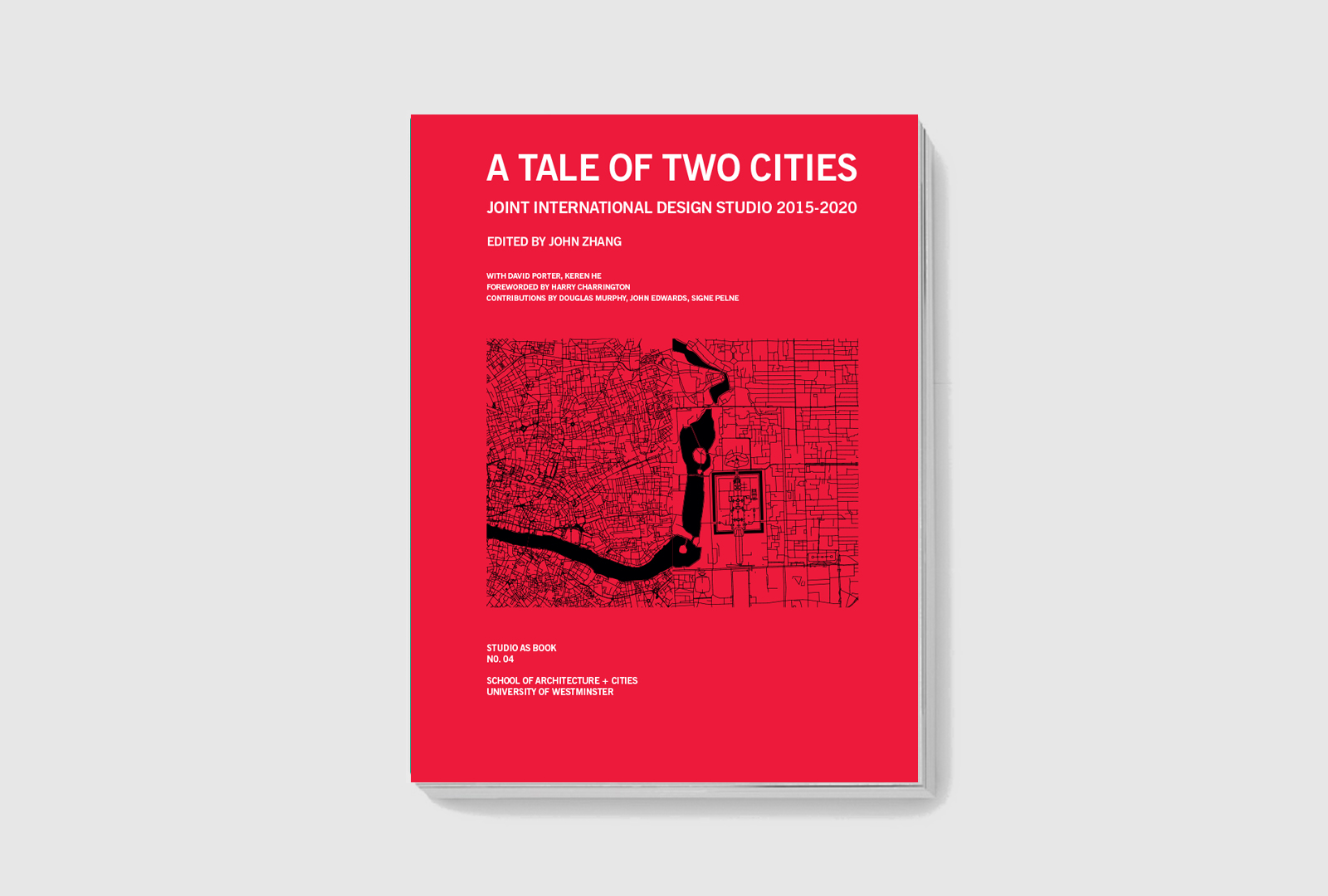
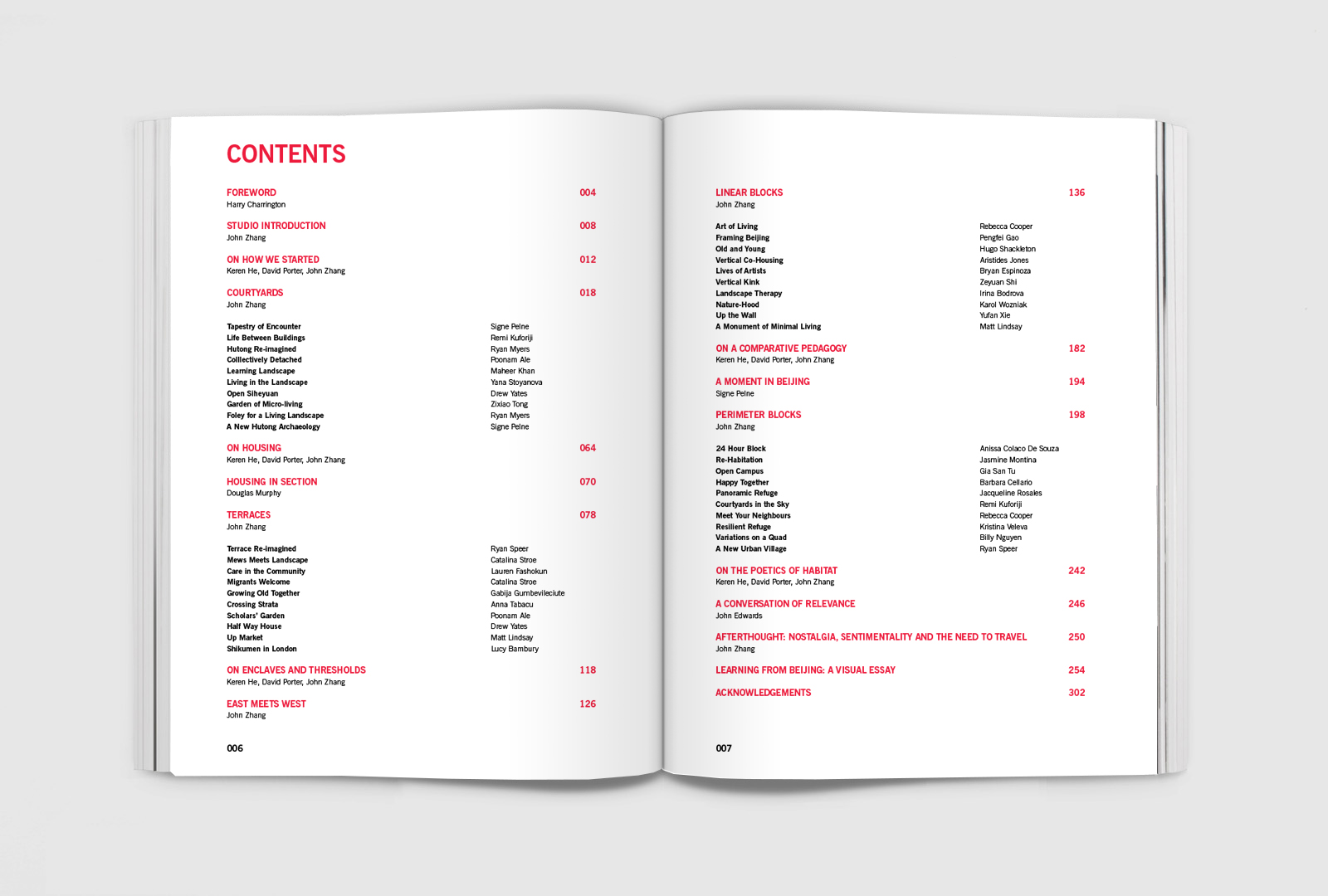
This edition of Studio as Book comprises a collection of writings and an edited selection of undergraduate design work from the Joint International Design (JID) Studio, an experimental 3rd year programme based at the University of Westminster in London and taught in conjunction with the Central Academy of Fine Arts (CAFA) in Beijing. Against the global tide of geopolitical balkanisation, the JID Studio was created as a platform for dialogue and the exchange of ideas. In its pursuit of a global perspective in tackling increasingly shared urban challenges, the JID Studio uses Beijing and London as testbeds for a new poetics of habitation and new ways of living together in the city.
Edited by John Zhang / Joint International Design Studio DS(3)7 (2021)
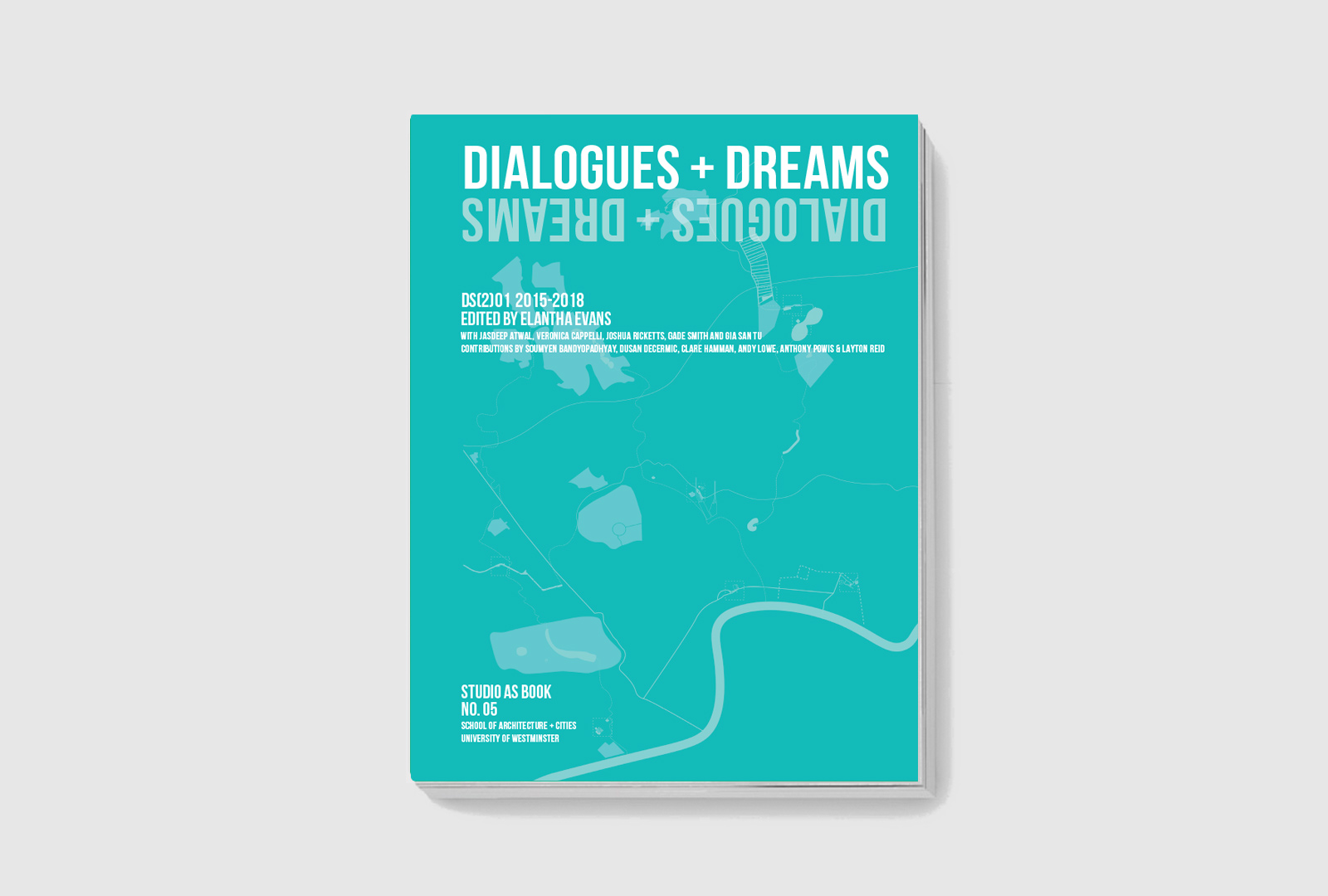
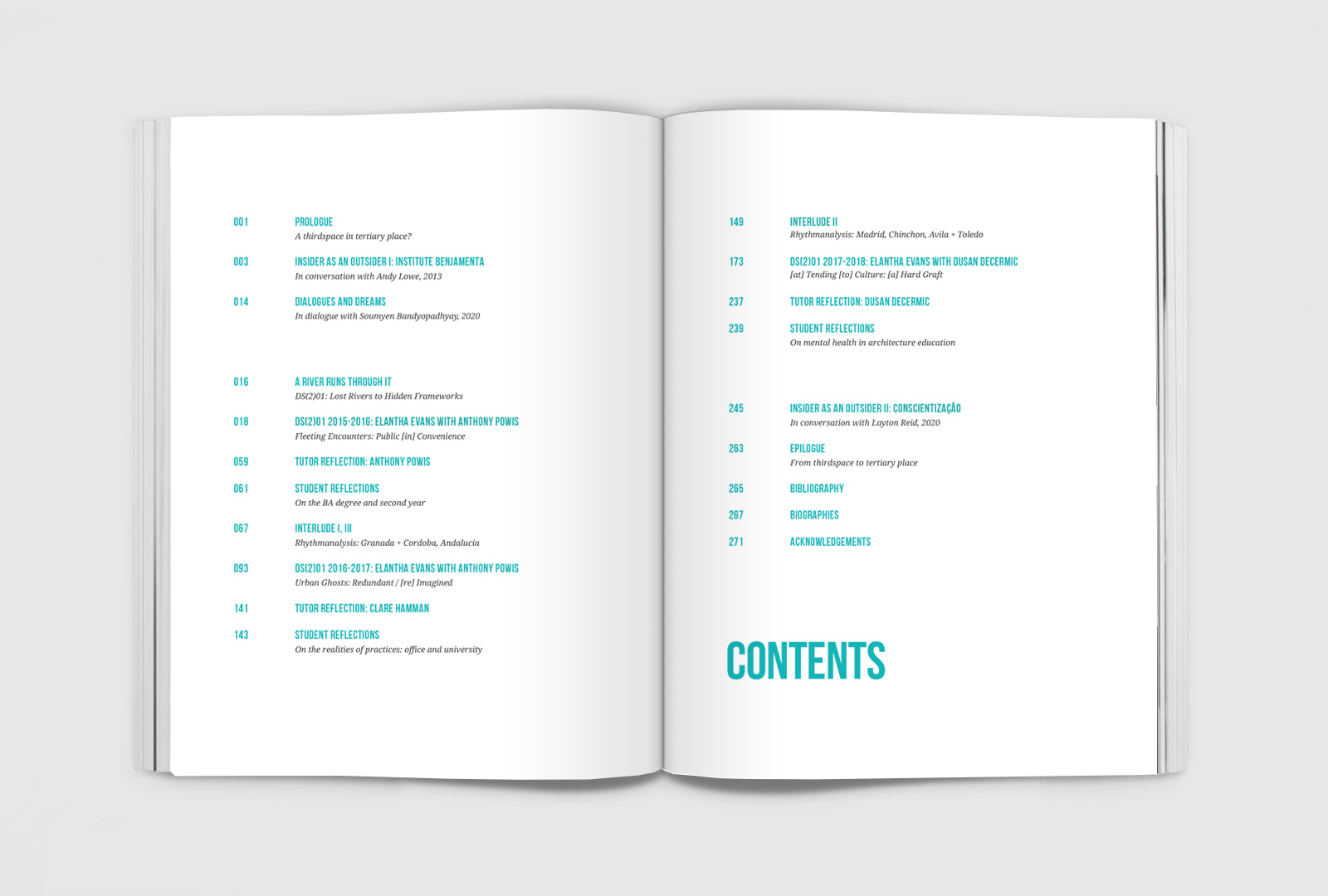
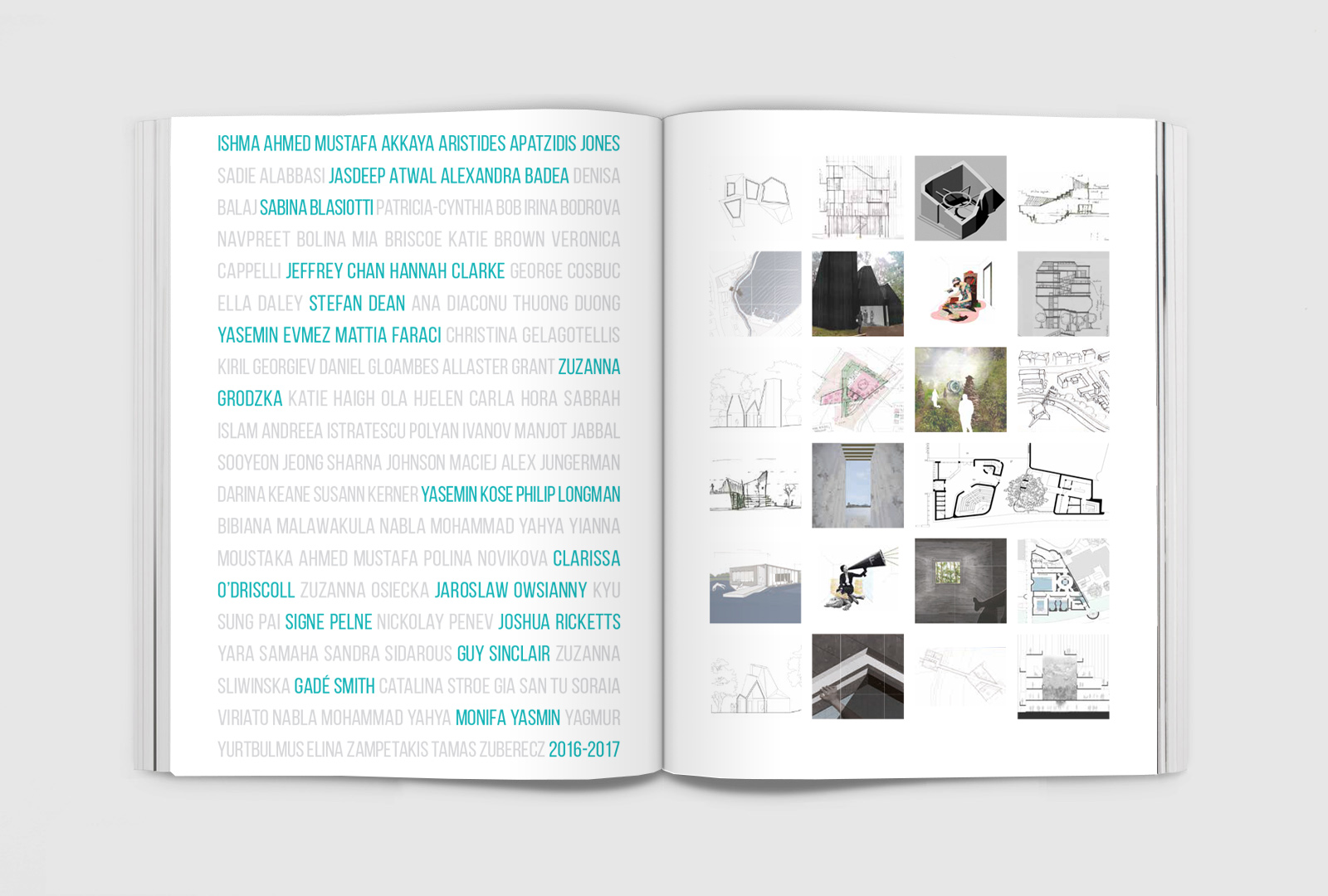
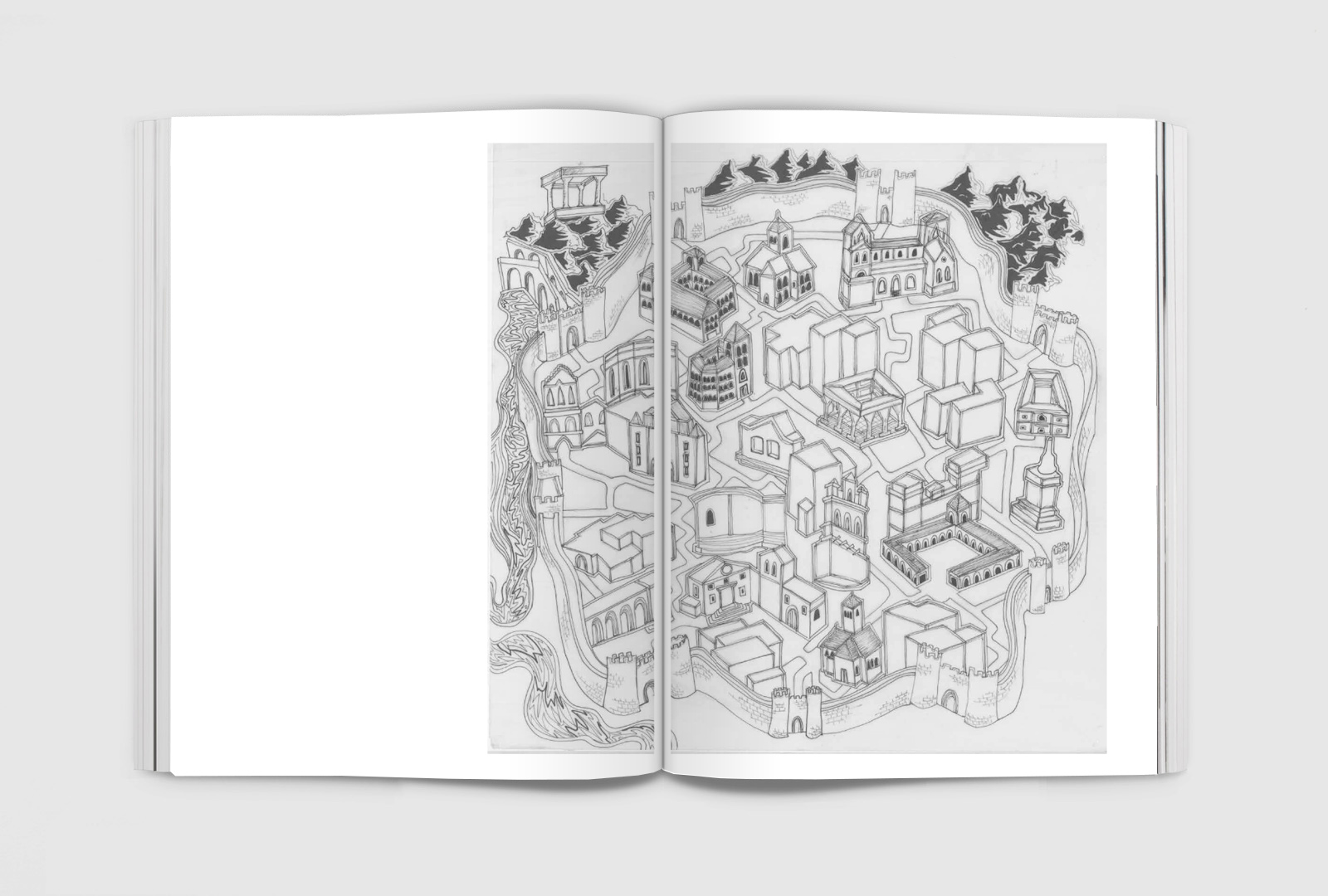
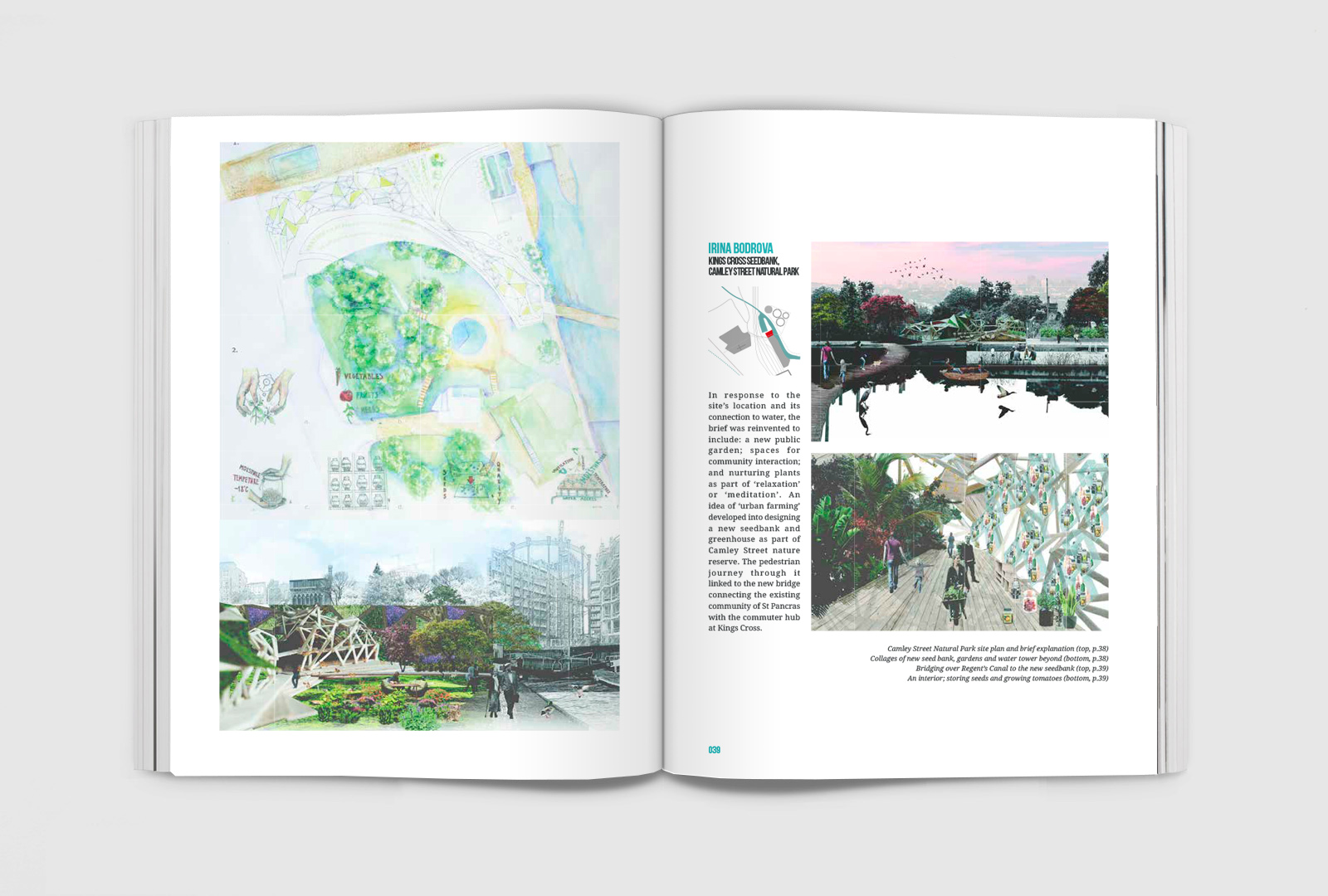
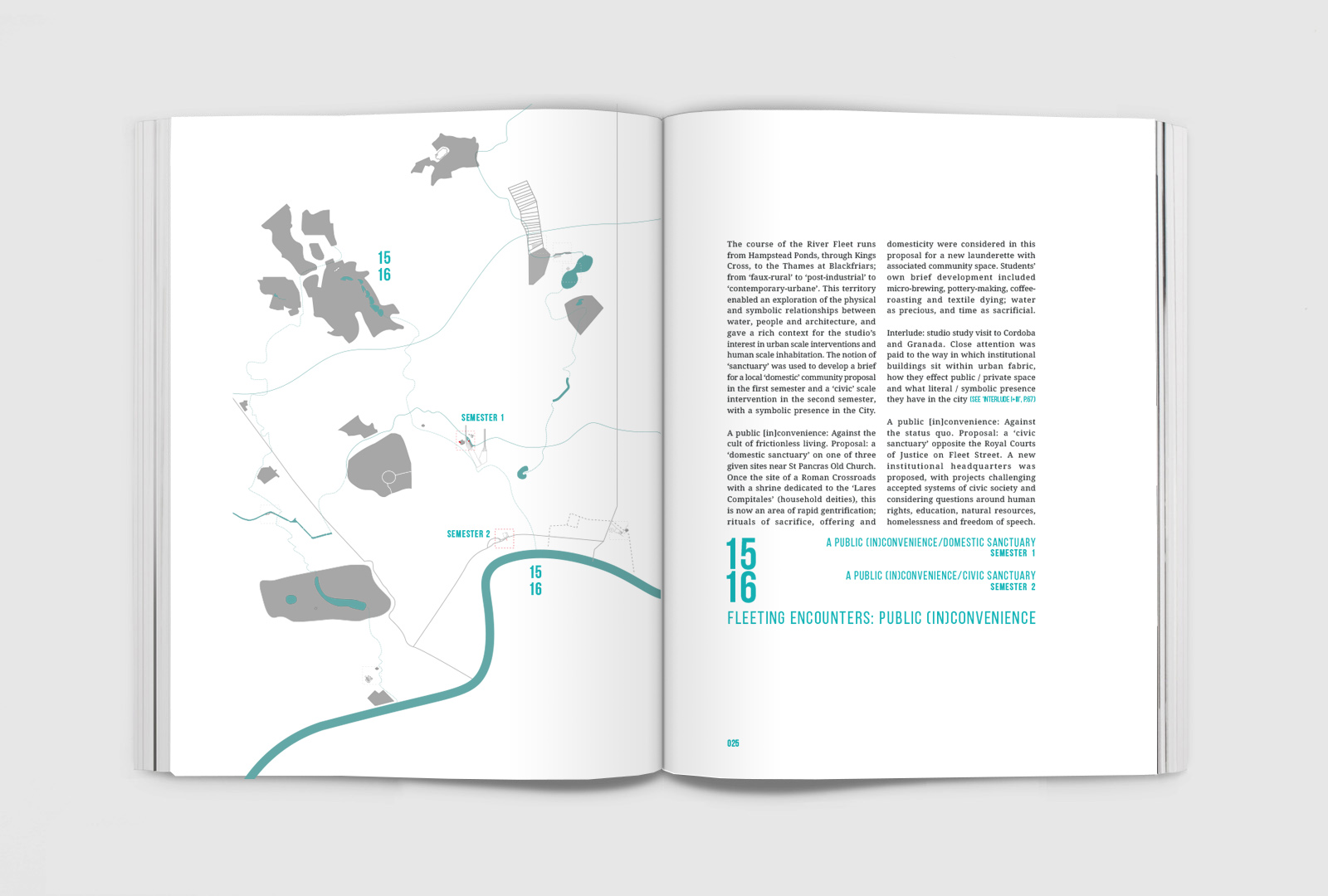
5. DS(2)01 / DIALOGUES AND DREAMS
This edition of studio-as-book is edited by Elantha Evans. It reflects upon the work of DS(2)01, a second-year undergraduate studio in the BA Architecture (Hons). Publishing a studio-as-book from a non-degree-awarding year is significant in declaring and demonstrating that much can be gained in that interstitial year between arrival and graduation. At the book’s core, is a commitment to deepening an understanding of the role, possibilities and expectations of a second-year studio as a carefully guided but open framework for a student’s design exploration and personal empowerment.
Edited by Elantha Evans / DS(2)01 (2020)
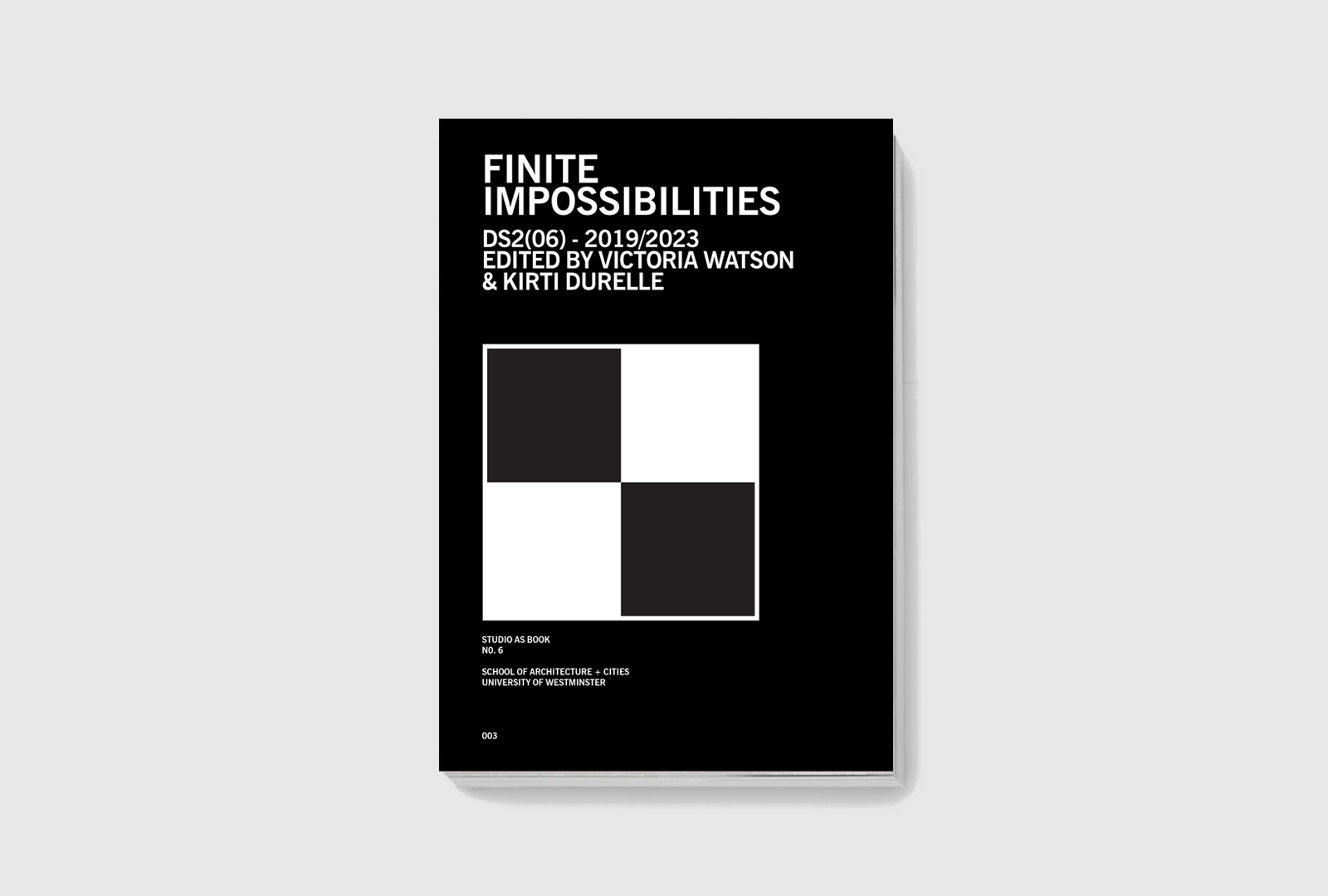
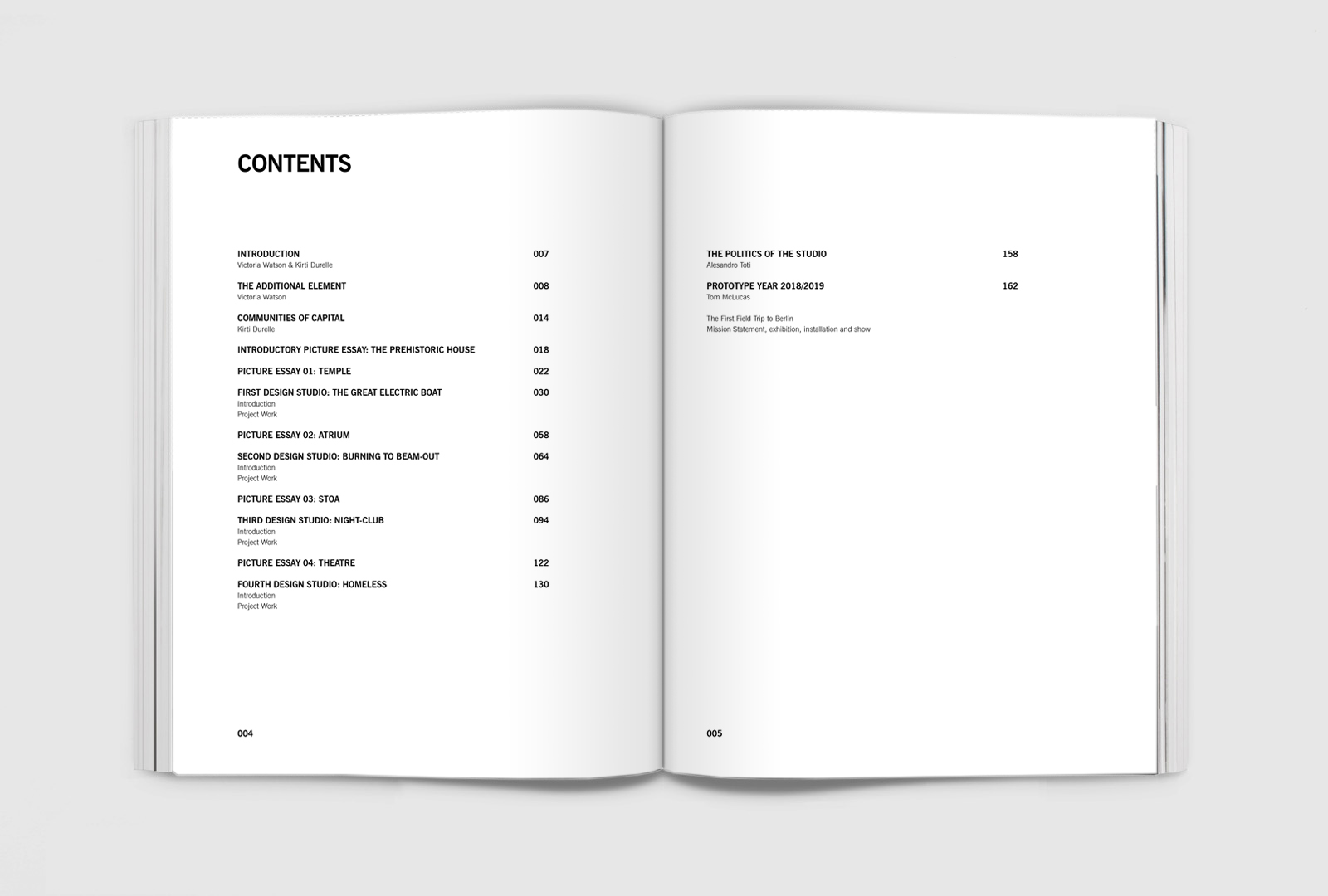
6. DS(2)6 / FINITE IMPOSSIBILITIES
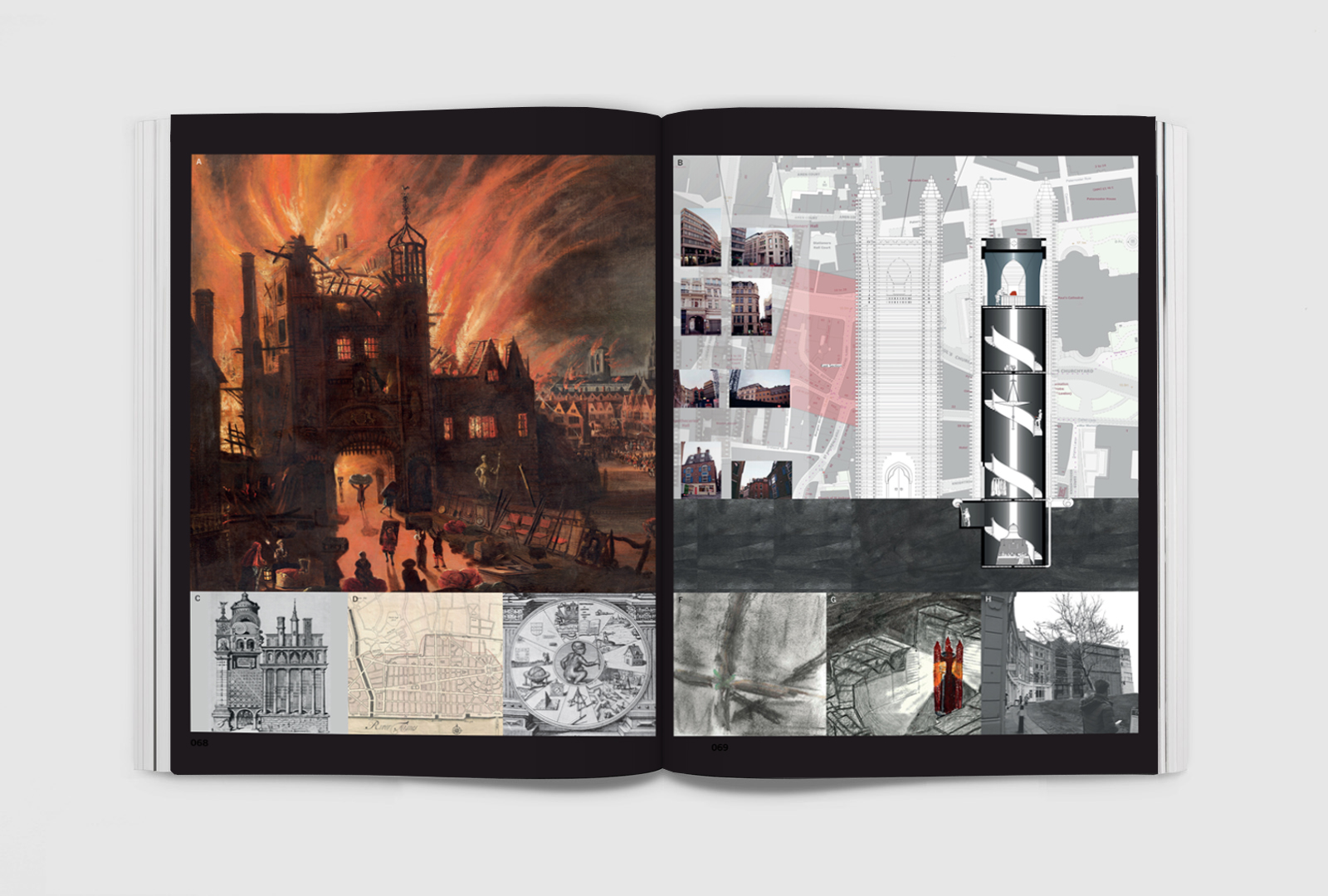
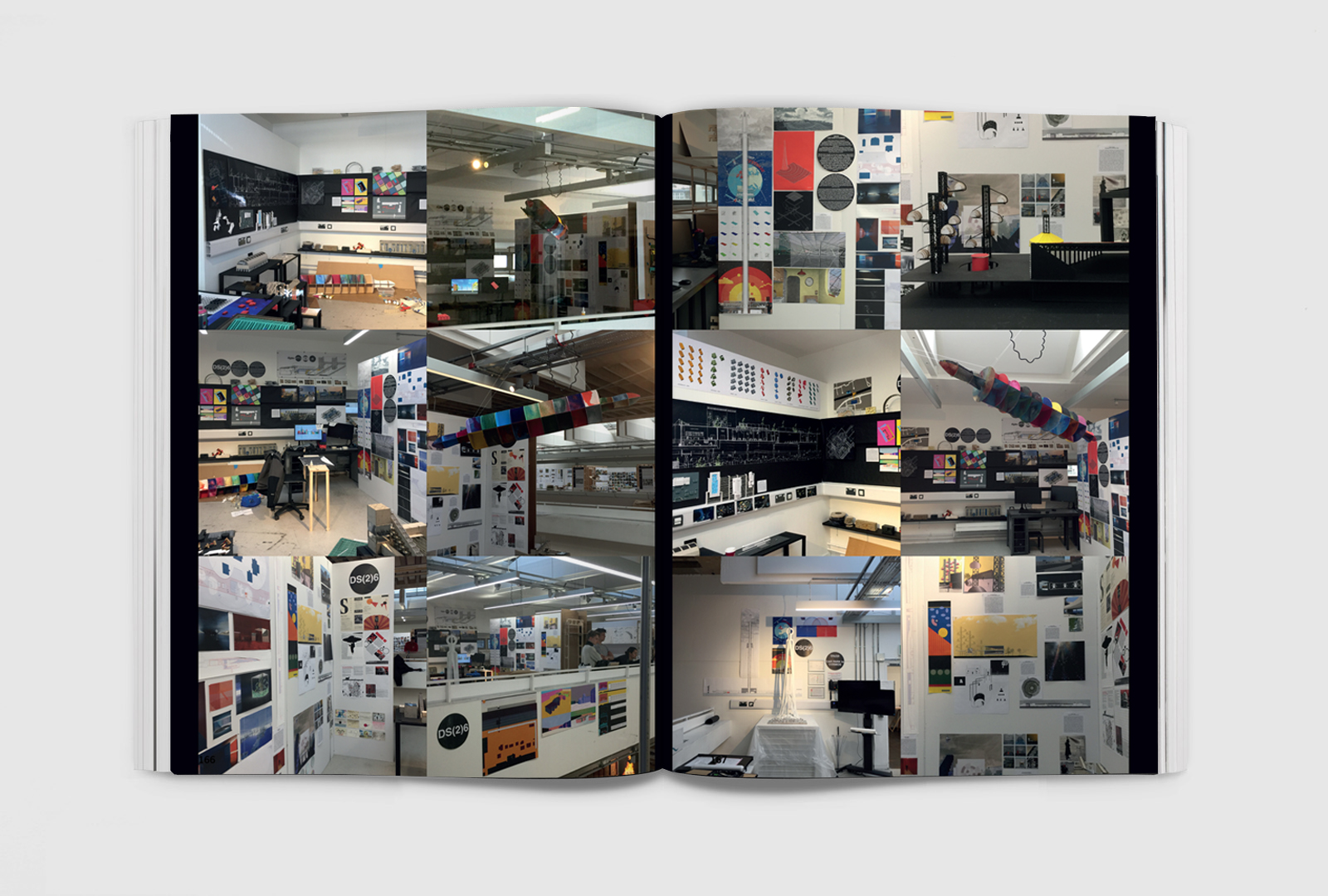
The work collected in Finite Impossibilities documents the studio led by Kirti Durelle and Victoria Watson between 2019 and 2023, during which we taught a second‑year studio on the BA Architecture programme. We understand the architecture school as a protected space—lightly tethered to the professional world—where students can learn how to build, articulate and inhabit a position of their own. For this reason, we structure our studio around a productive tension between utopian thinking and material dialectics. Our projects are usually sited in the City of London, the capital’s financial district. The City is a cold and pragmatic environment, one that resists utopian imagination. Its streets expose the contradictions of the global systems that shape contemporary life. Here, there is little room for work that drifts into pastoral fantasies or ecological idylls. And it is precisely this apparent impossibility that defines our challenge: how can we engage with utopian thinking in a context that appears to offer no space for it?
Edited by Victoria Watson and Kirti Durelle / DS(3)6 (2025)
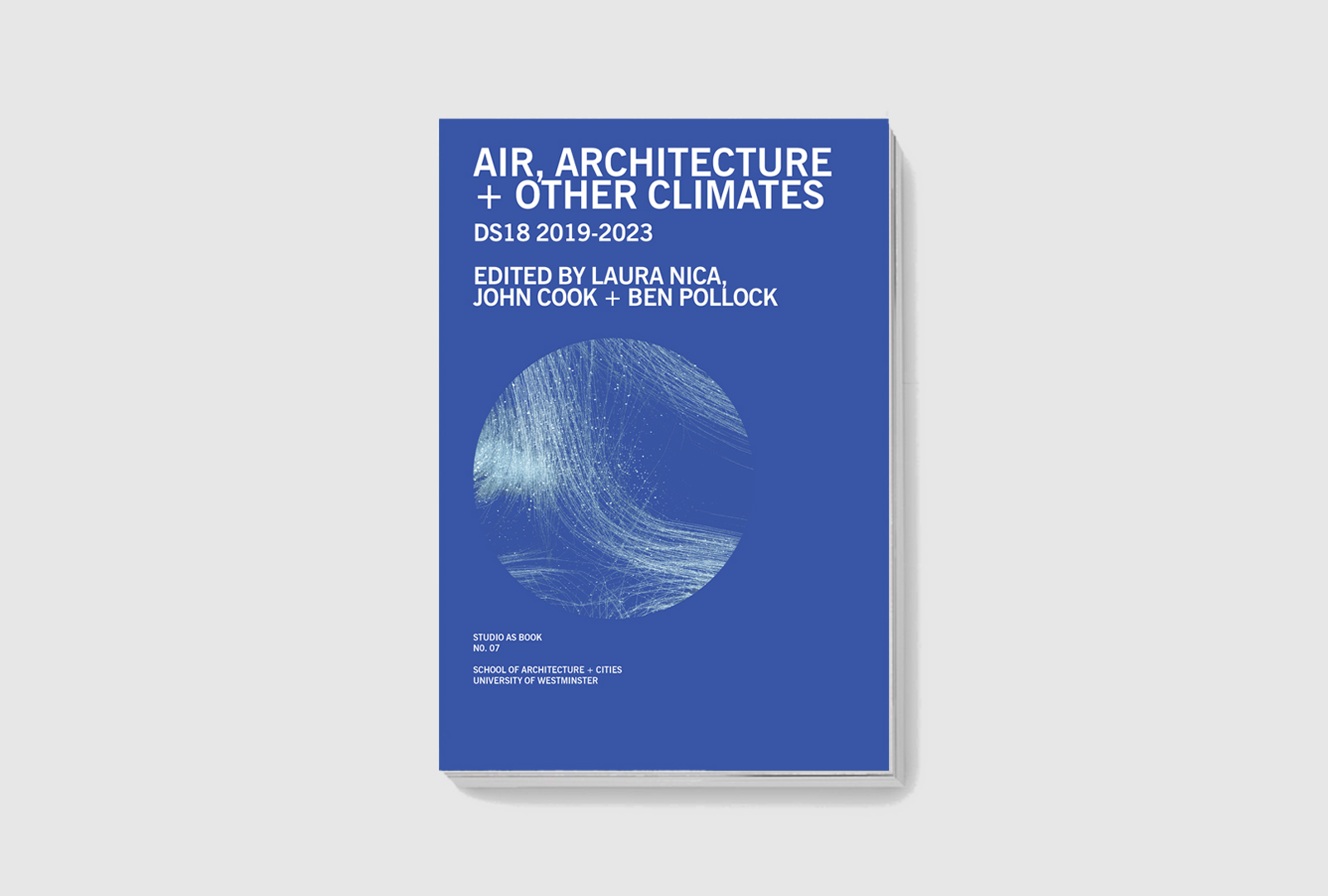
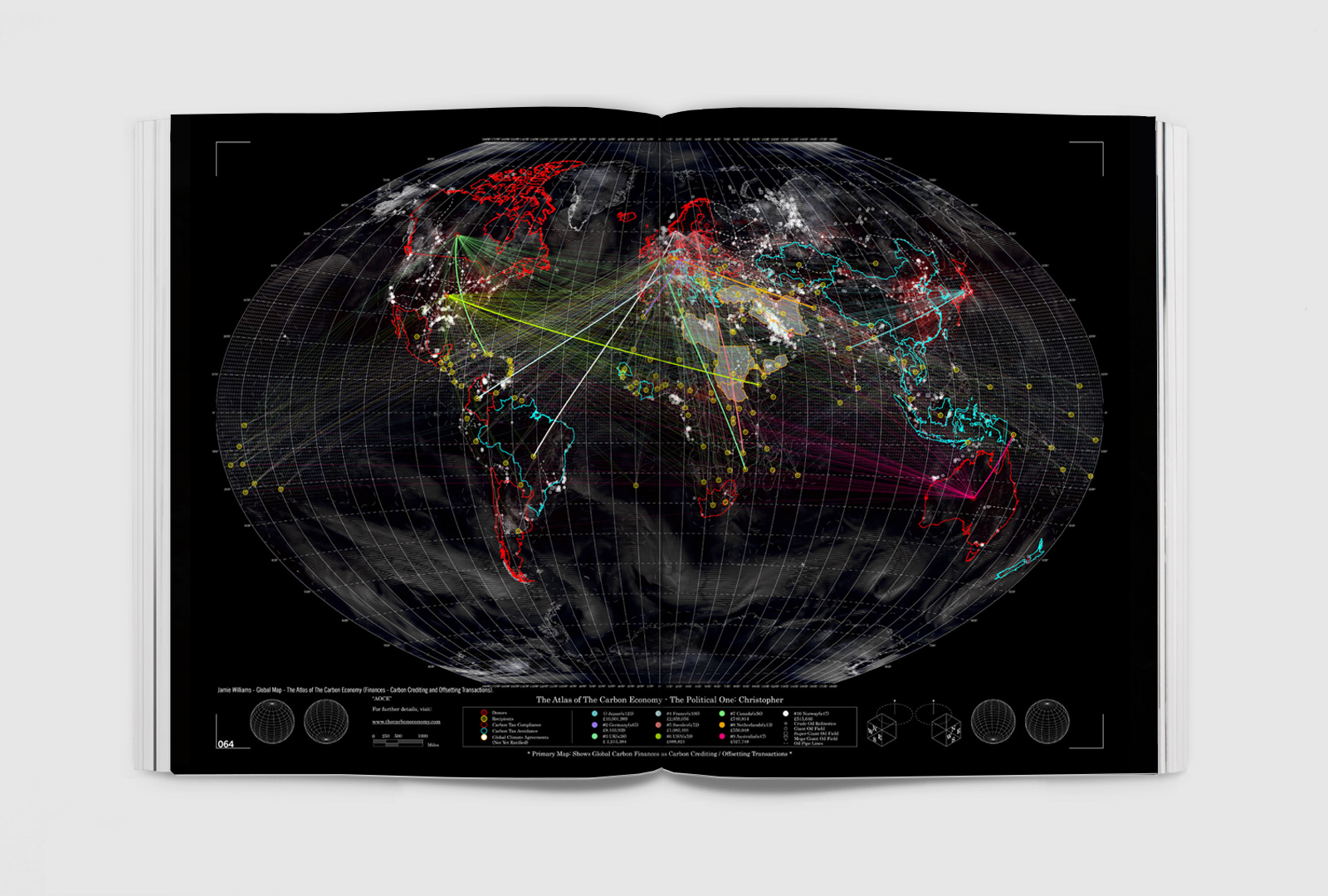
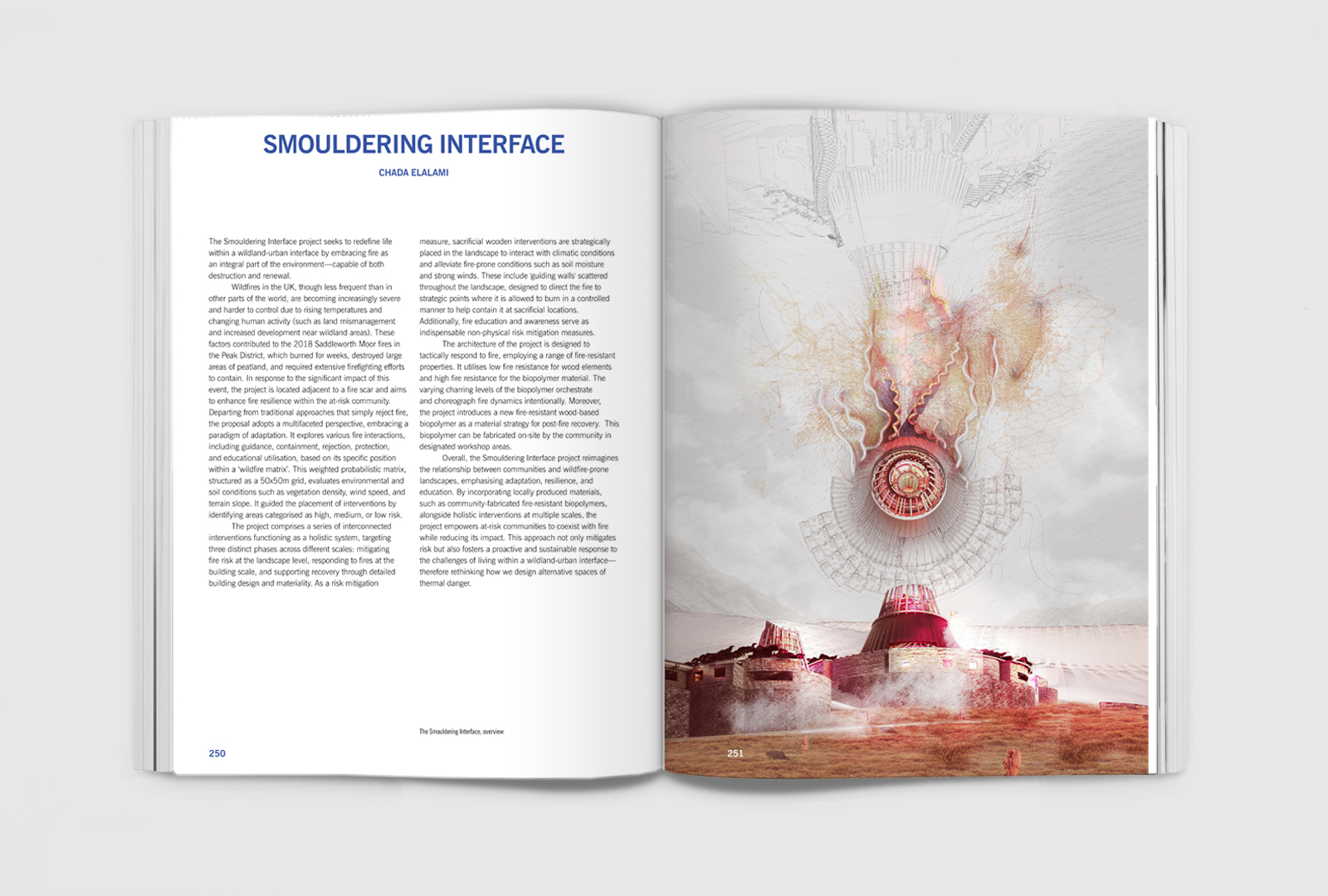
7. DS18 / AIR, ARCHITECTURE + OTHER CLIMATES
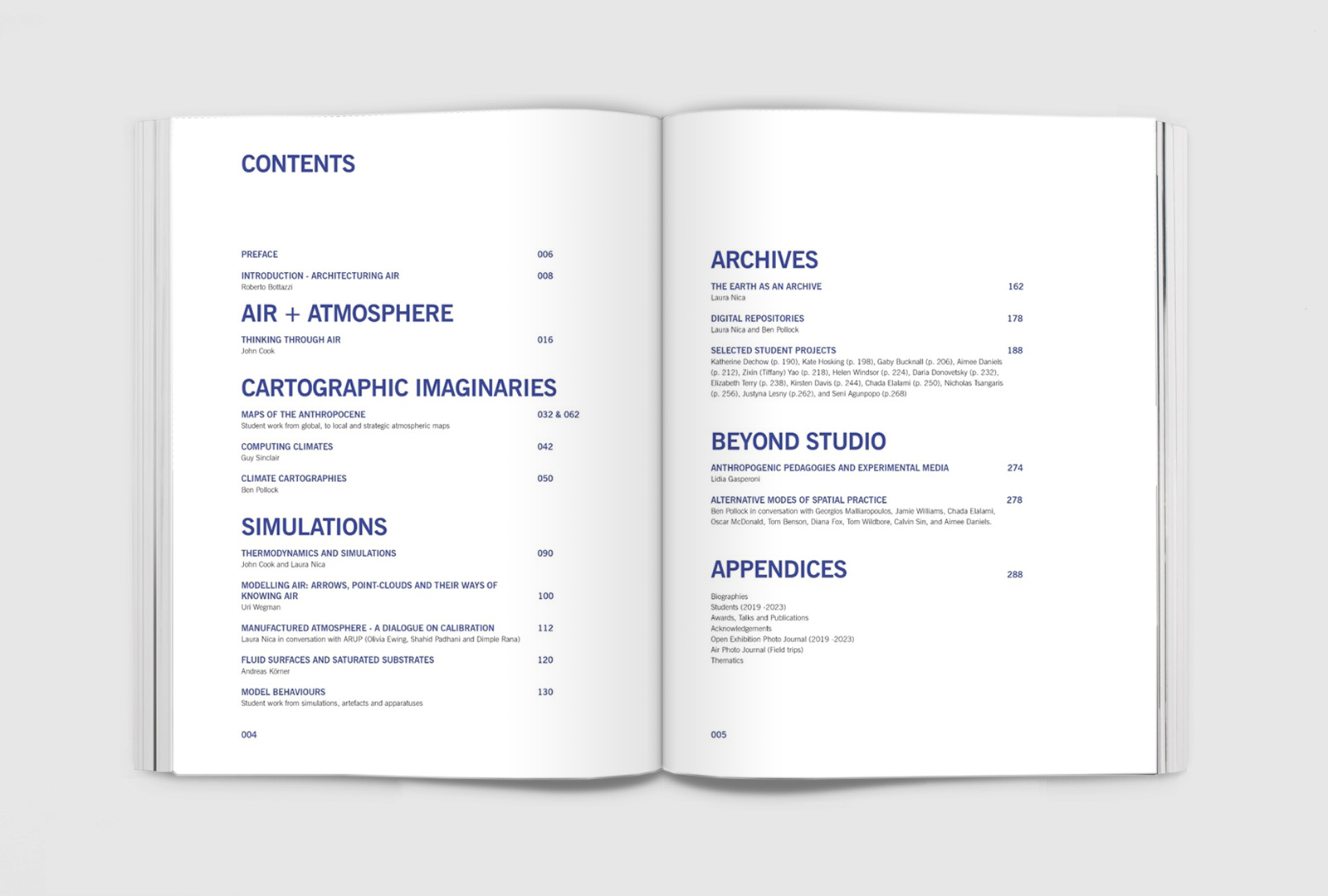
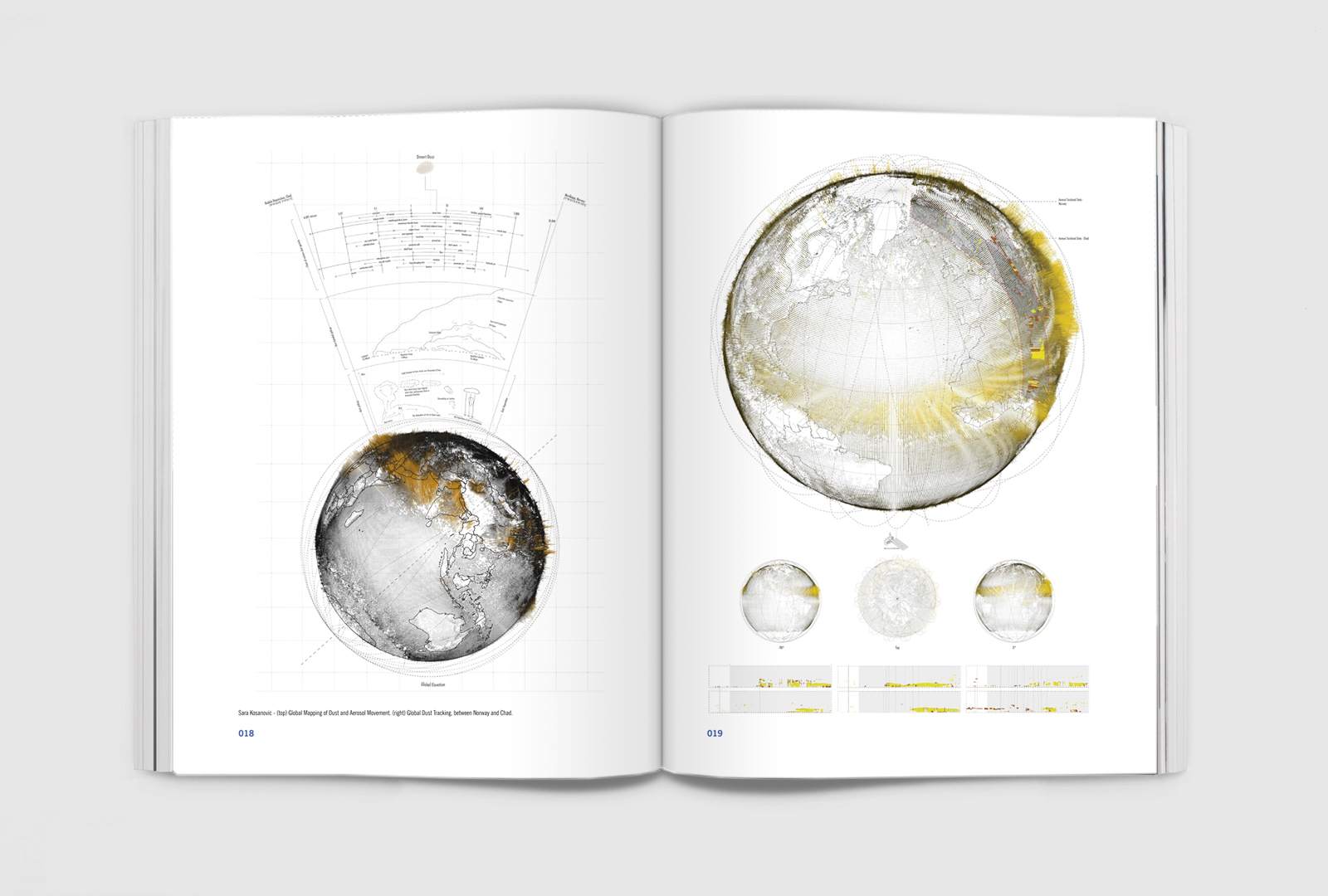
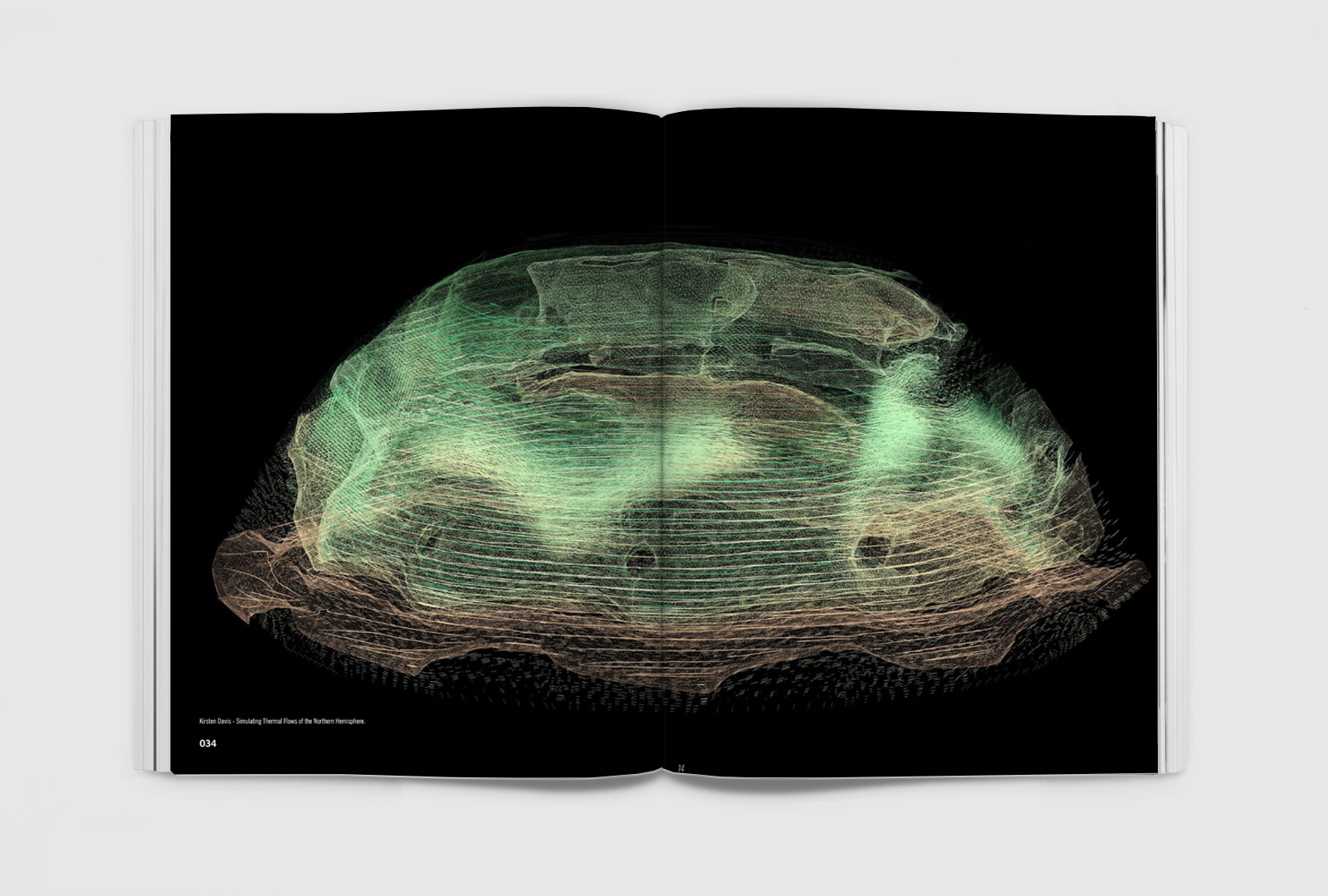
Air, Architecture + Other Climates is the second DS18 volume (2019–2023), edited by Laura Nica, John Cook and Ben Pollock. It establishes air as the studio’s primary conceptual and material framework—an atmospheric medium through which architecture is rethought in relation to climatic, ecological and sensory forces. Bringing together essays, contributions and selected student projects, the book documents DS18’s evolving pedagogy, where learning to read, map and simulate air, weather and energy underpins new spatial and representational approaches. From Norway’s shifting climatic zones to the UK’s environmental instabilities and the delicate microclimate of Dungeness, the studio investigates how atmospheric thinking expands architectural imagination. Structured as an ongoing dialogue, the volume reflects a commitment to experimentation, critical inquiry and climate‑literate design. By foregrounding air’s entanglement with wider atmospheric processes, it repositions architectural practice within the urgent conditions of climate instability, calling for more responsive and responsible forms of design.
Edited by Laura Nica, John Cook and Ben Pollock / DS18 (2025)
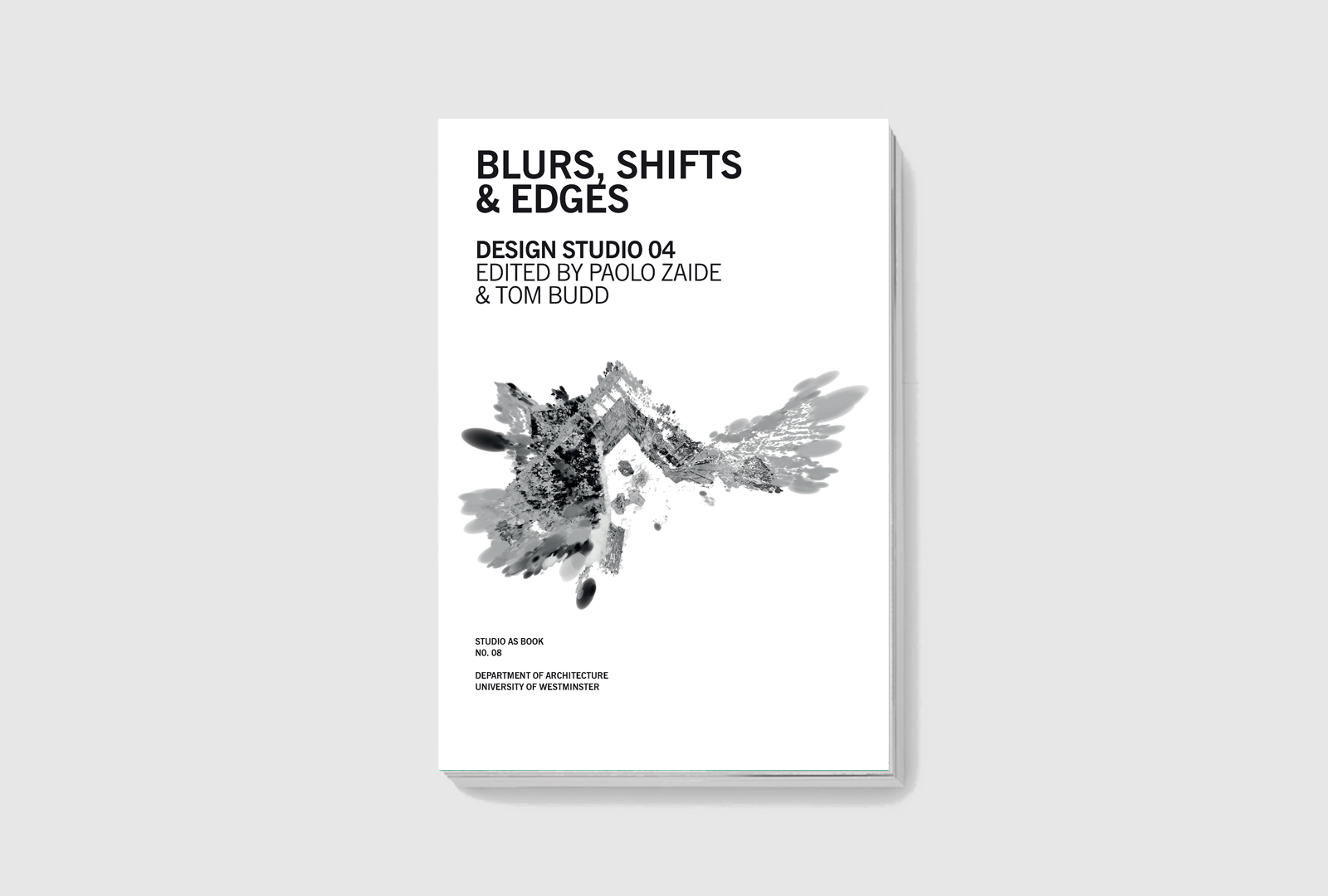
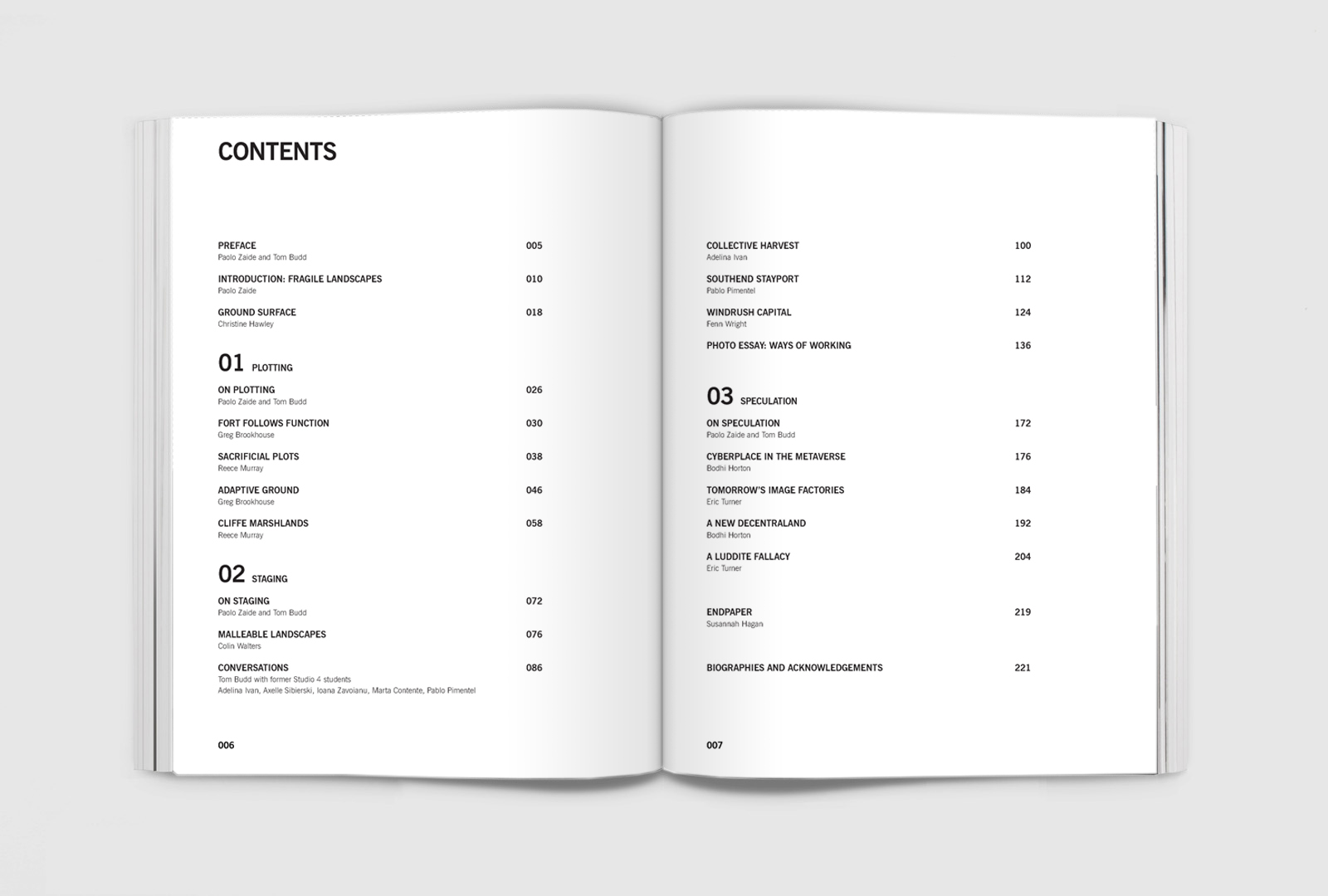
8. DS0(3)4 / BLURS, shifts & edges
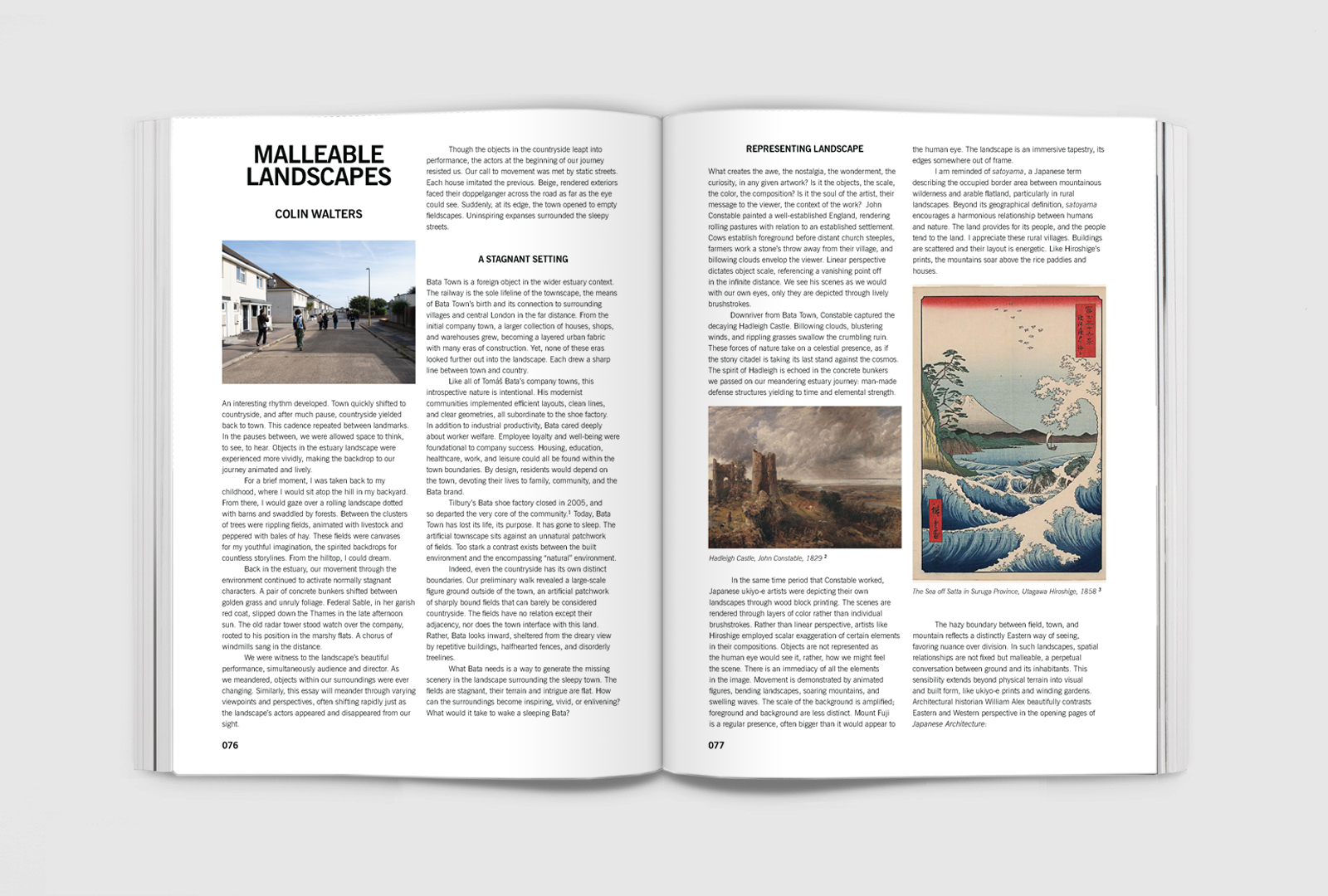
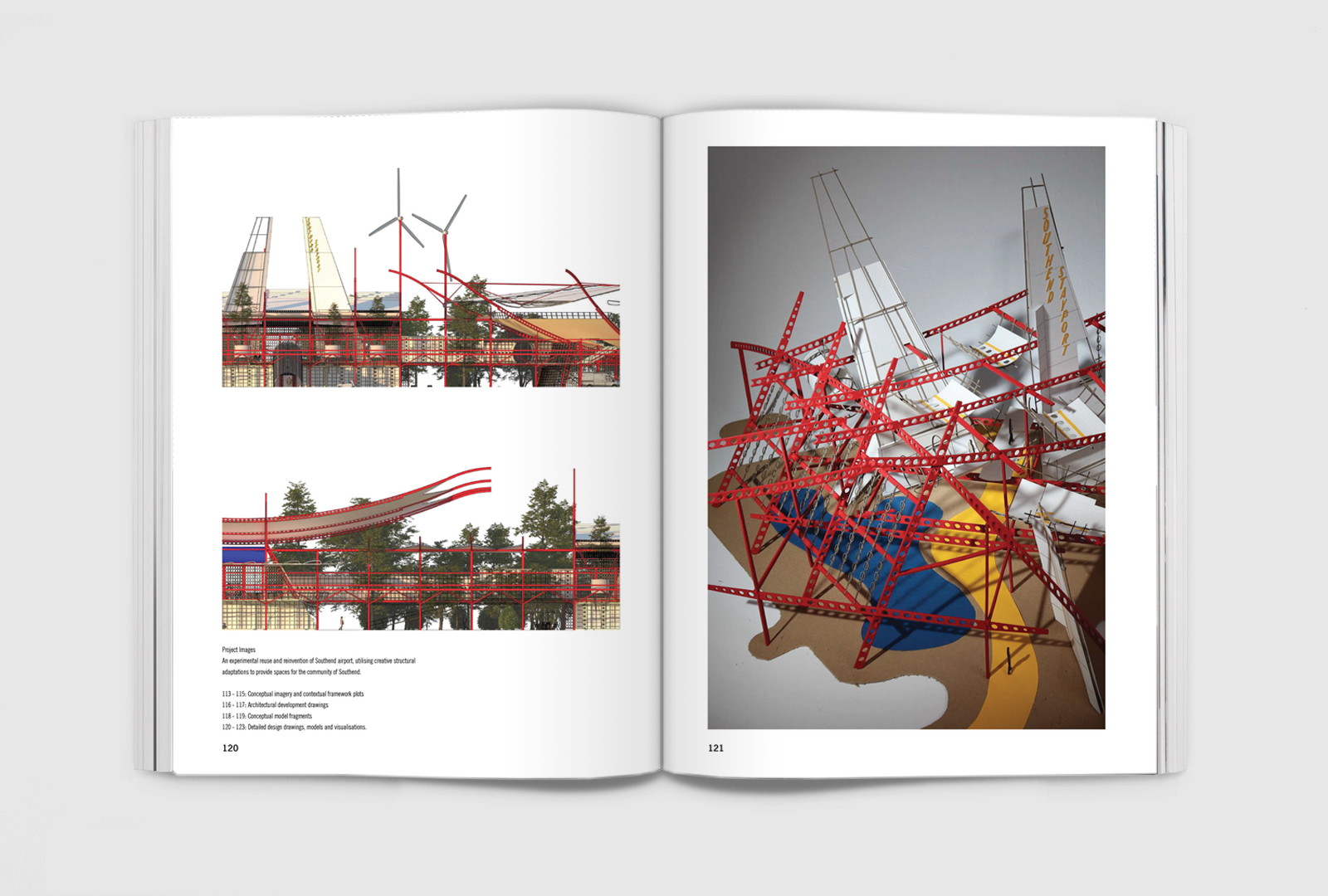
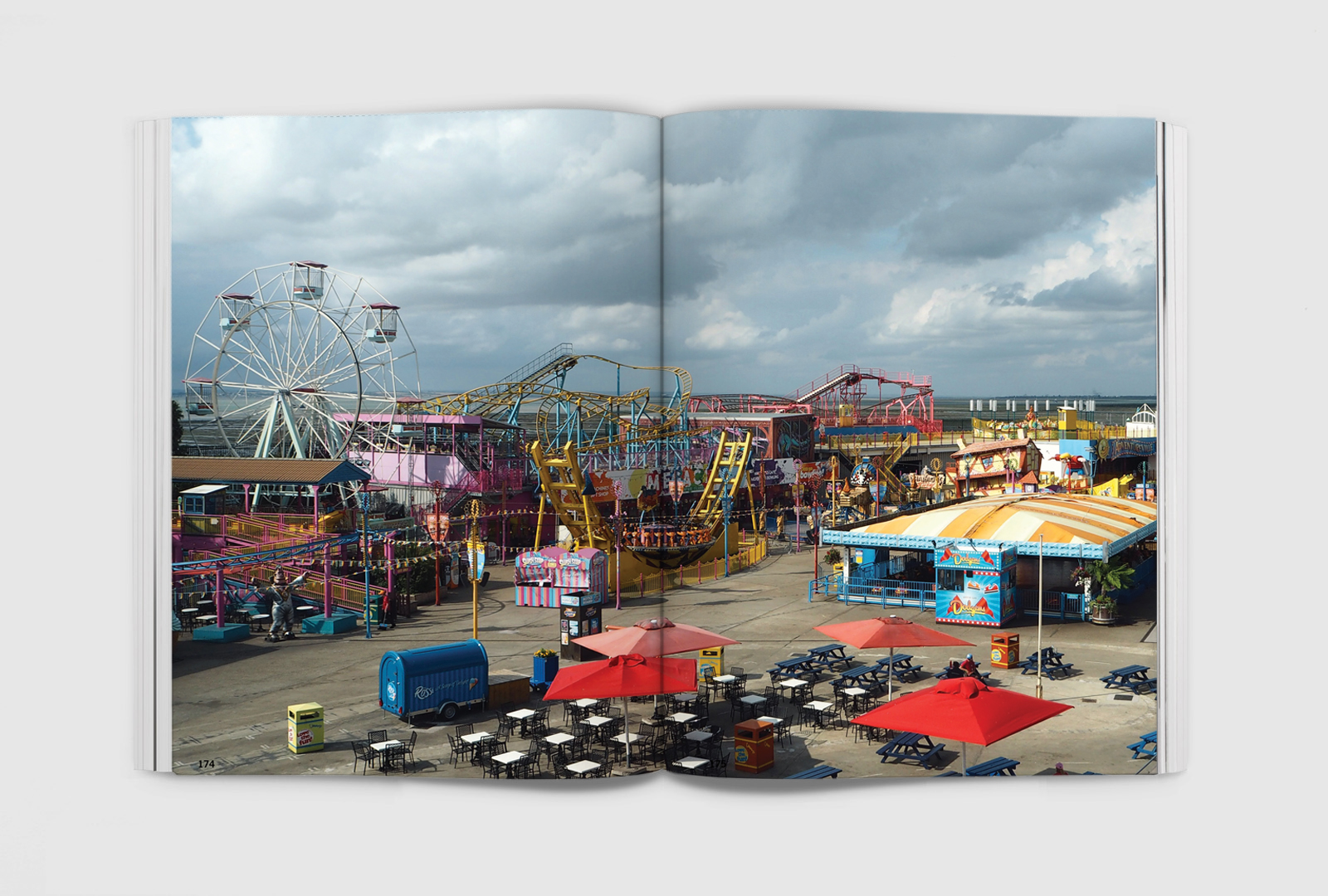
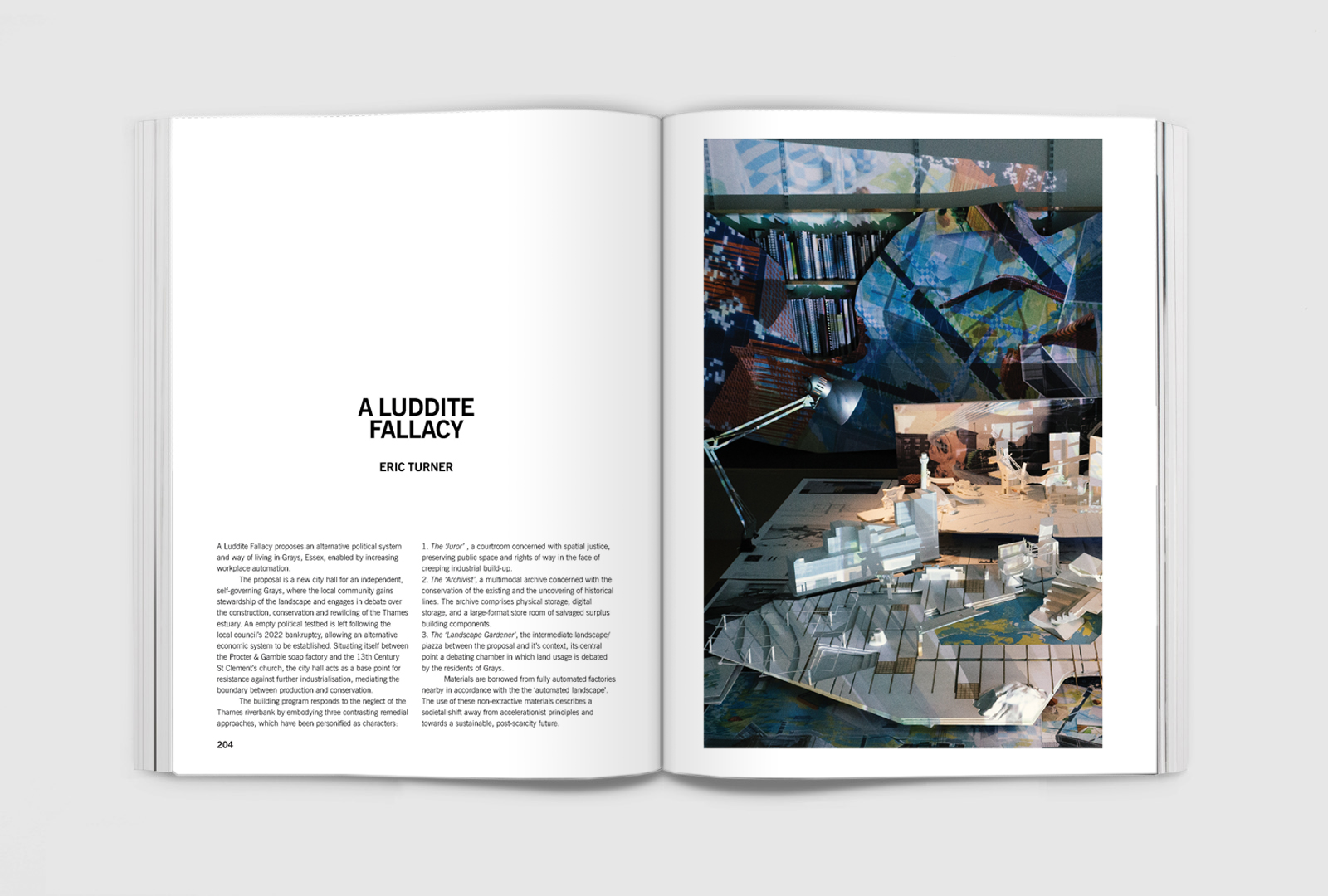
This edition of studio-as-book brings together short essays, photographs, and design work by Design Studio 4 (DS04), tutored by Paolo Zaide and Tom Budd. It presents design as a synthetic key to connecting ecology with an urbanism that does not contradict its natural or artificial environment. While much has been written about the theory of ‘ecological urbanism,’ this book focuses on its practical application—examining how it can shape the ethos, methodology, and impact of design teaching. From 2021 to 2024, the studio explored edge conditions along the River Thames through the lens of ‘ecological urbanism,’ using Gravesend, Southend-on-Sea, and Tilbury as case studies. Once home to heavy industry and commerce, these areas now lack access to public transport, services, and employment, while surrounding farmland and salt marshes host fragile ecologies. Studio 4 challenged traditional boundaries, employing analogue and digital strategies to plot, stage, and speculate on the futures of these shifting, uncertain fields.
Edited by Paolo Zaide and Tom Budd / DS(3)4 (2025)
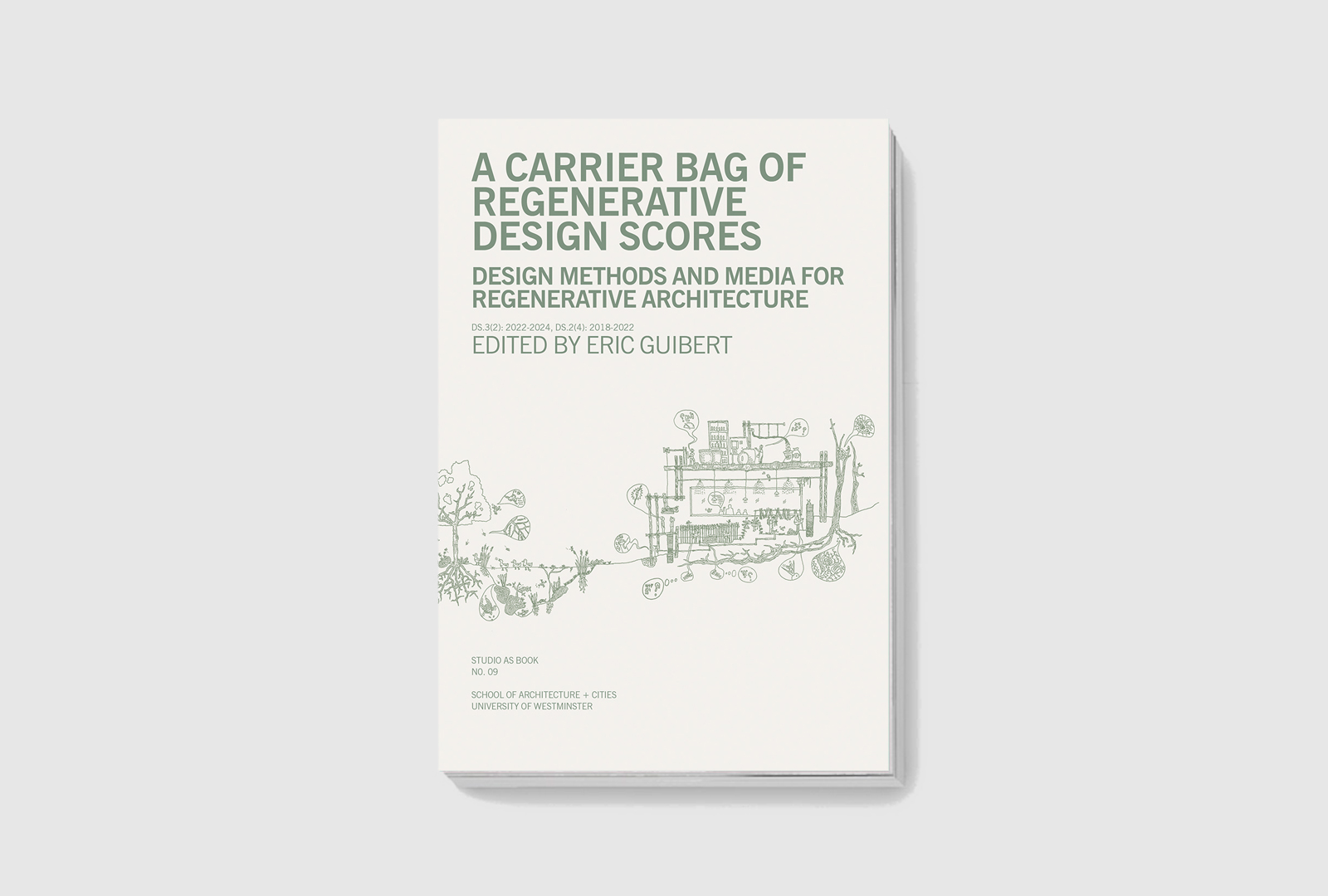
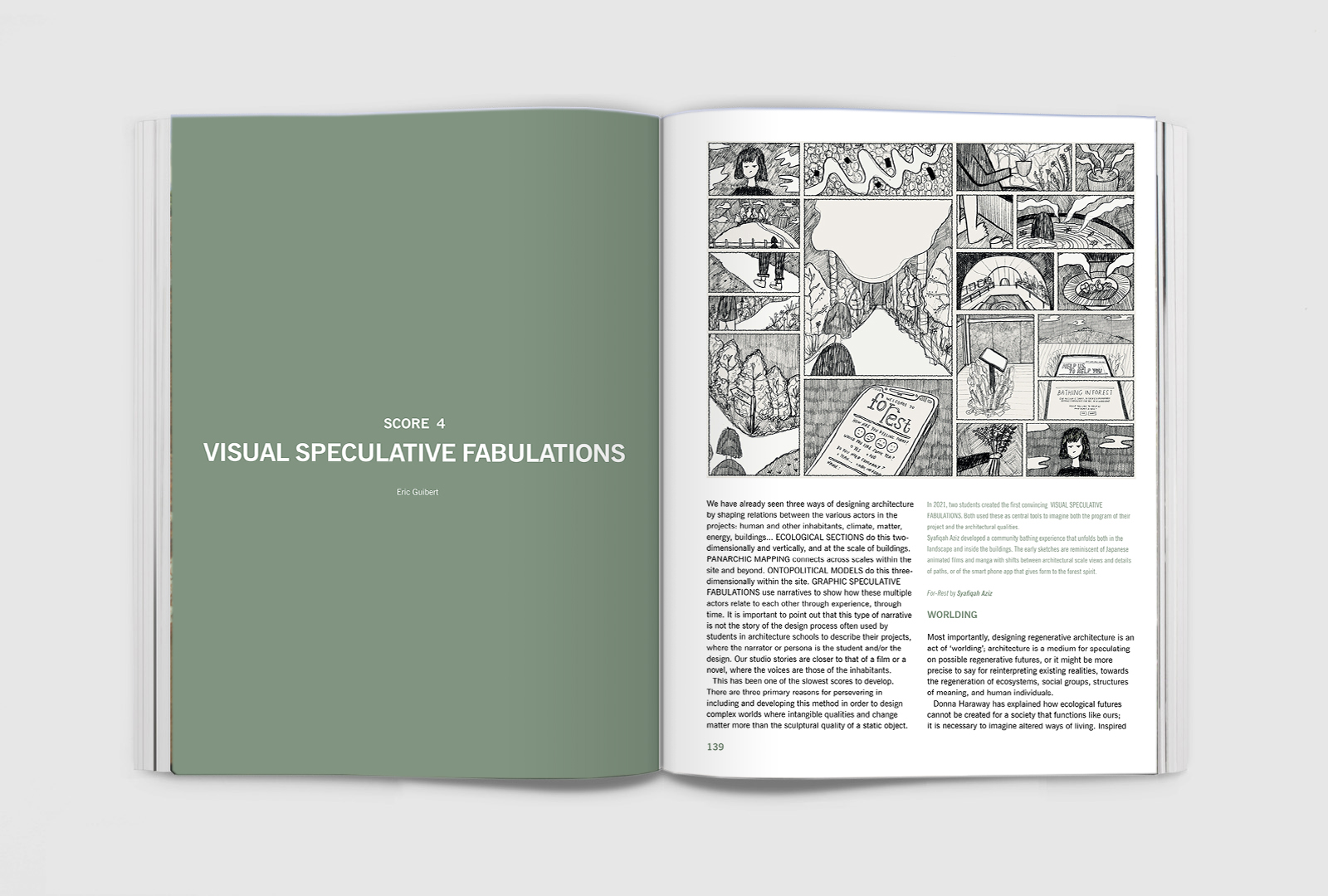
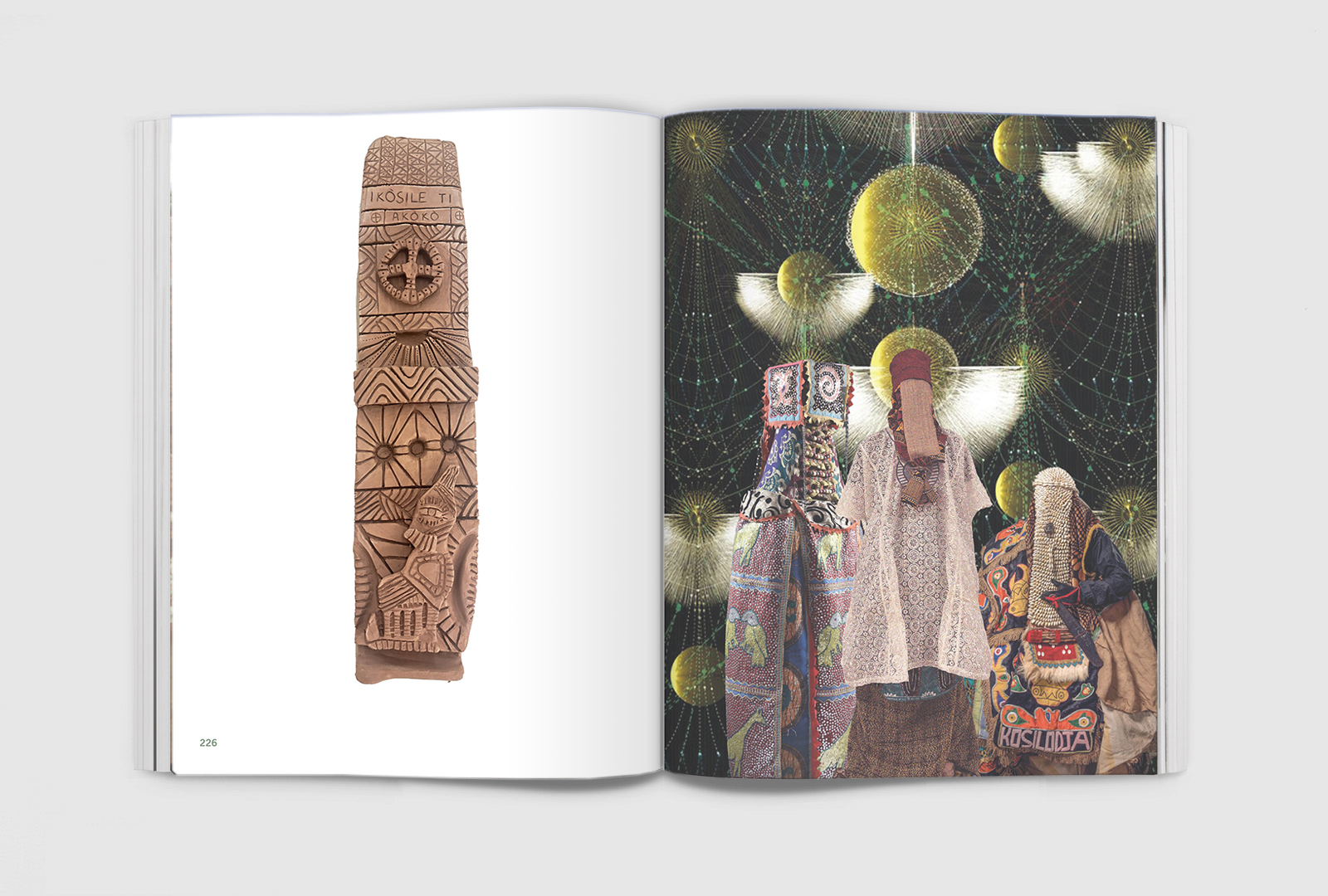
9. DS(3)2 & DS(2)4 / A Carrier Bag of Regenerative Design Scores: Design methods and media for regenerative architecture
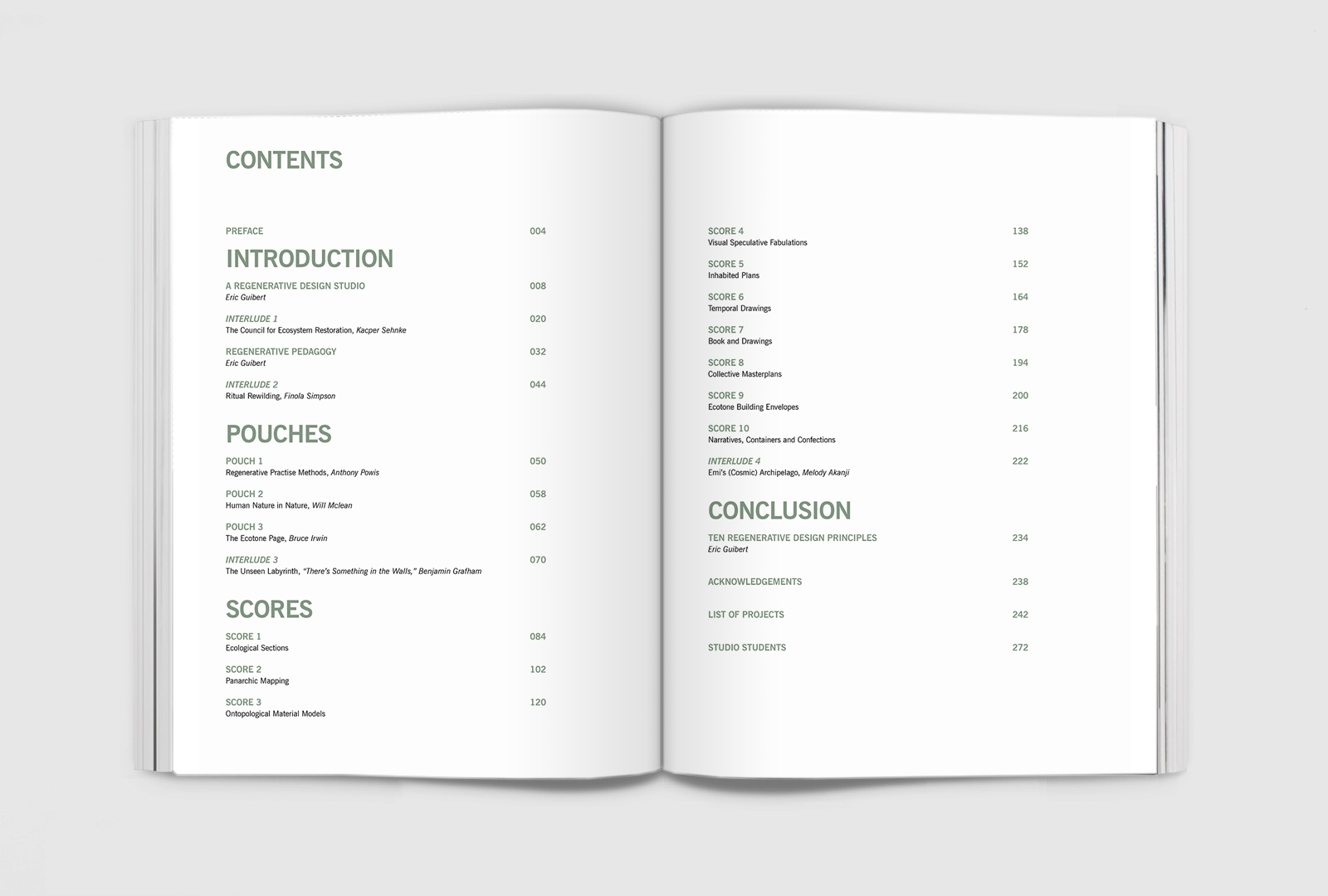
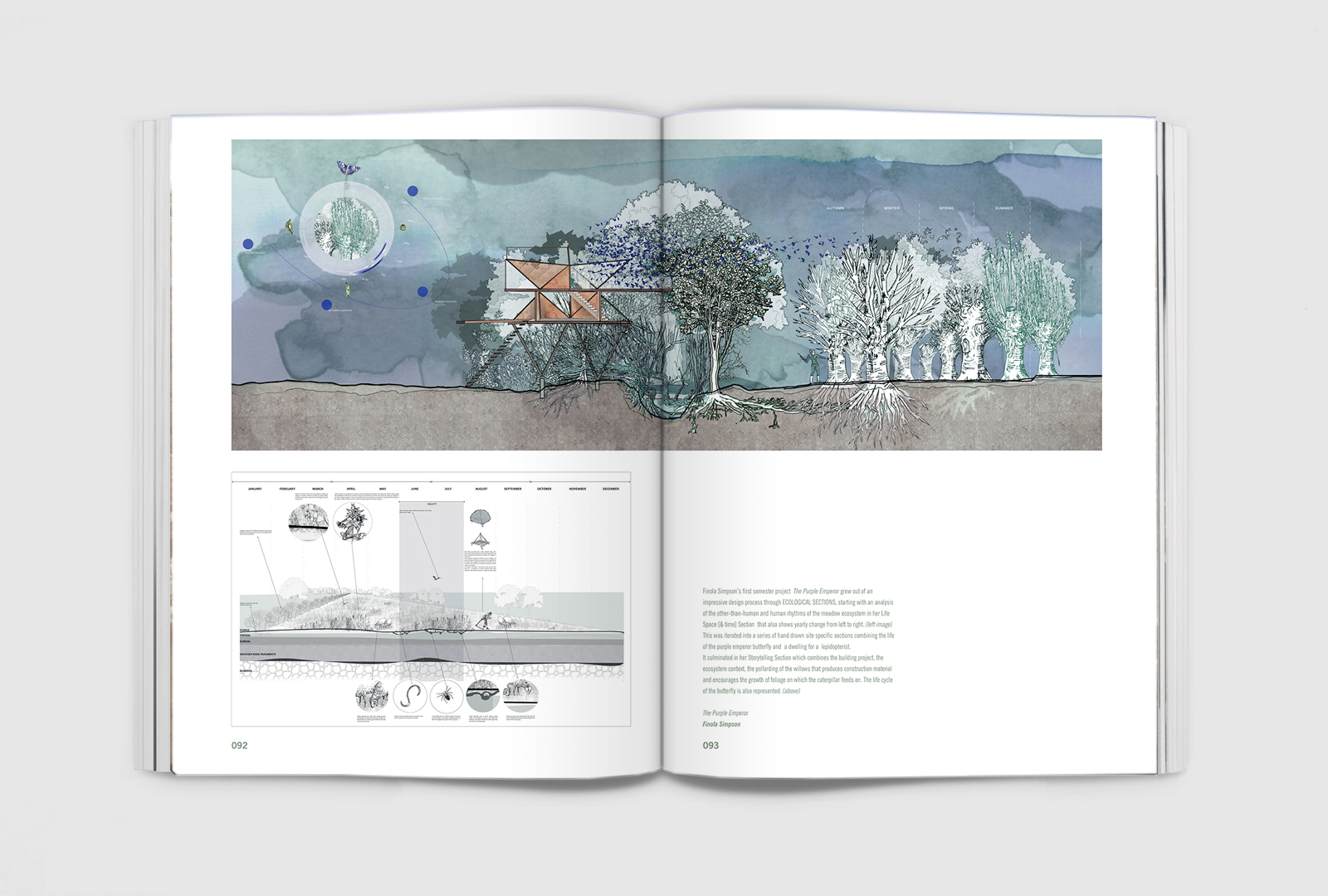
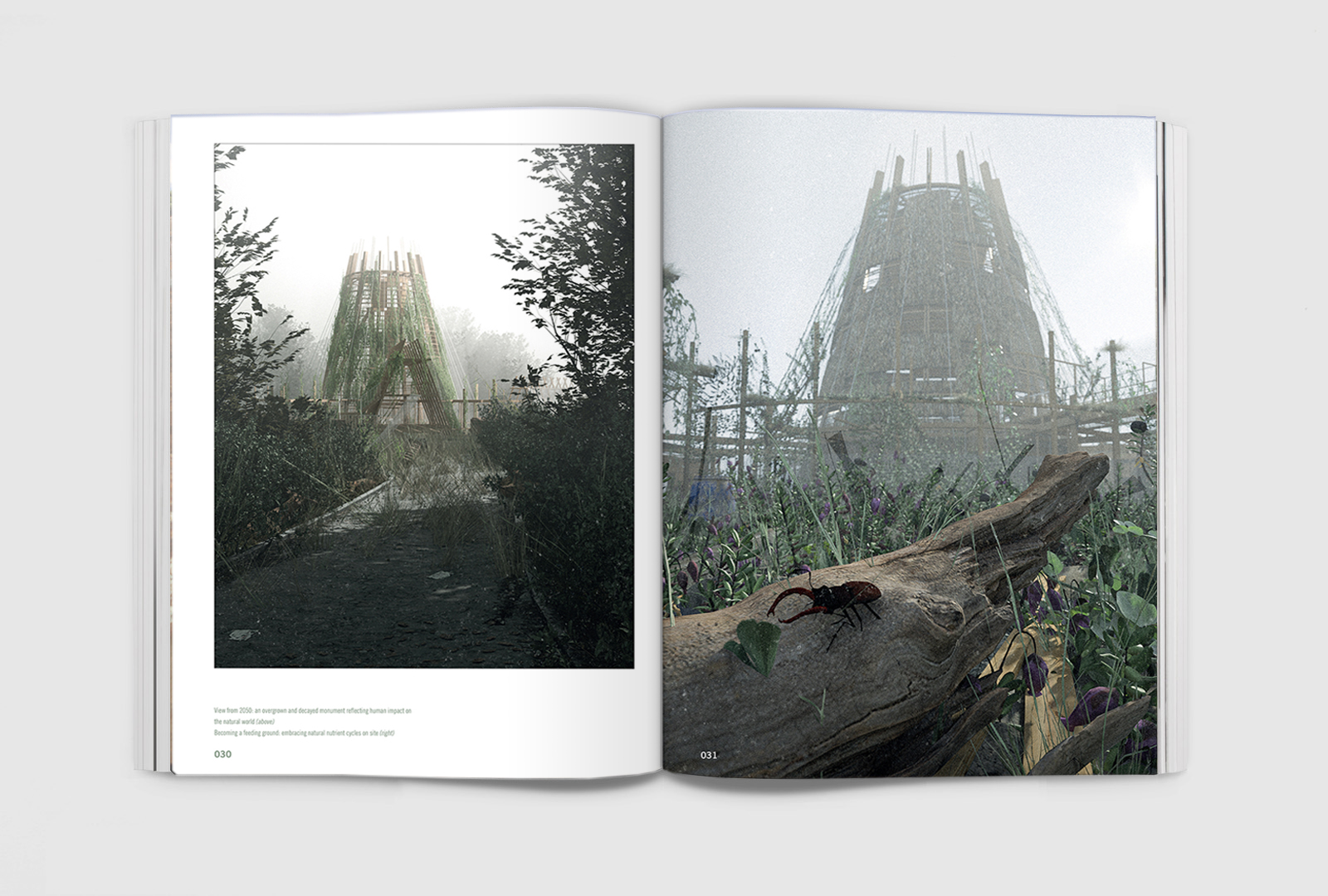
This edition of studio-as-book reflects on the regenerative pedagogy and design methods used in B.A. Design Studios DS.3(2) & DS.2(4) tutored by Eric Guibert, Anthony Powis, Michael Spooner, Bruce Irwin, and Christopher Daniel between 2018 and 2024. The studio aimed to investigate what is now called regenerative architecture and the overlap between building and landscape architecture. We have been speculating on what such a design might be, how it may be created, and the transformative pedagogies that support such learning. This research has unfolded with regenerative approaches in architecture. We hope that this first synthesis of methods will help students, teachers, and practitioners alike. The book is conceived as a CARRIER BAG holding the ten REGENERATIVE DESIGN SCORES developed in the studio and a collection of essays. We conceive “scores” as methods open for interpretation. Each score is explained and illustrated by key examples produced by students over the years.
Edited by Eric Guibert / DS(3)2 & DS(2)4 (2025)
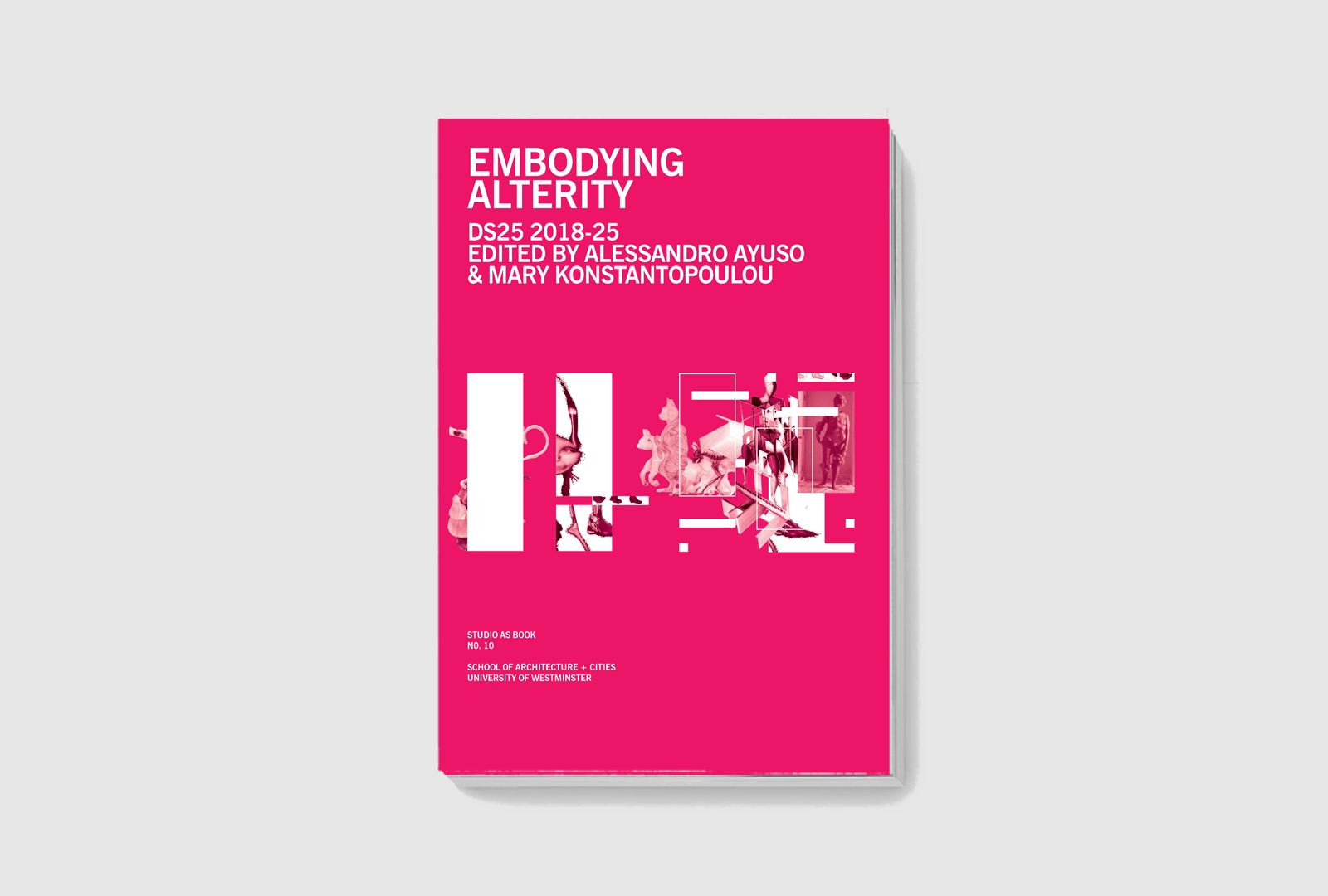
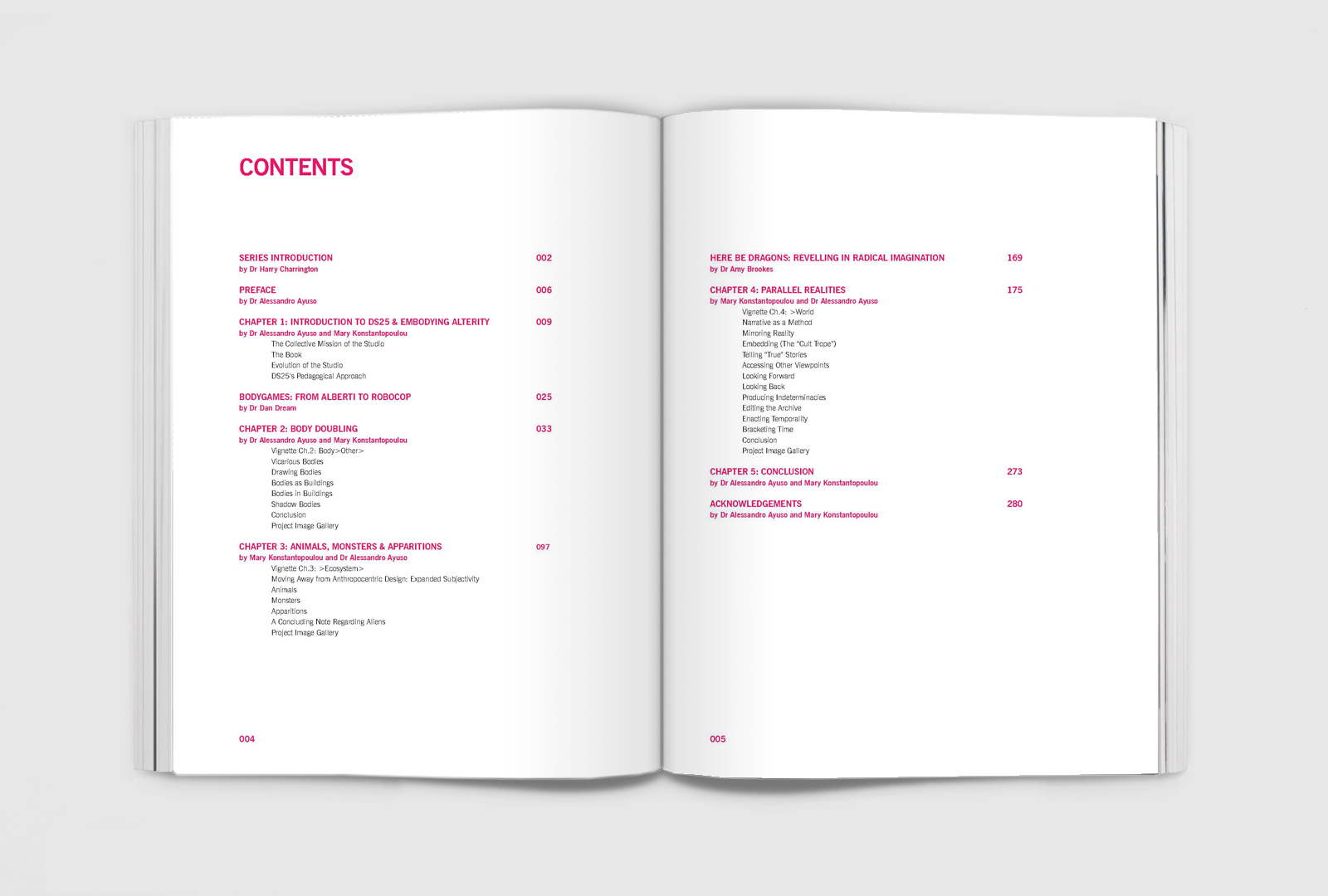
10. DS25 / EMBODYING ALTERITY
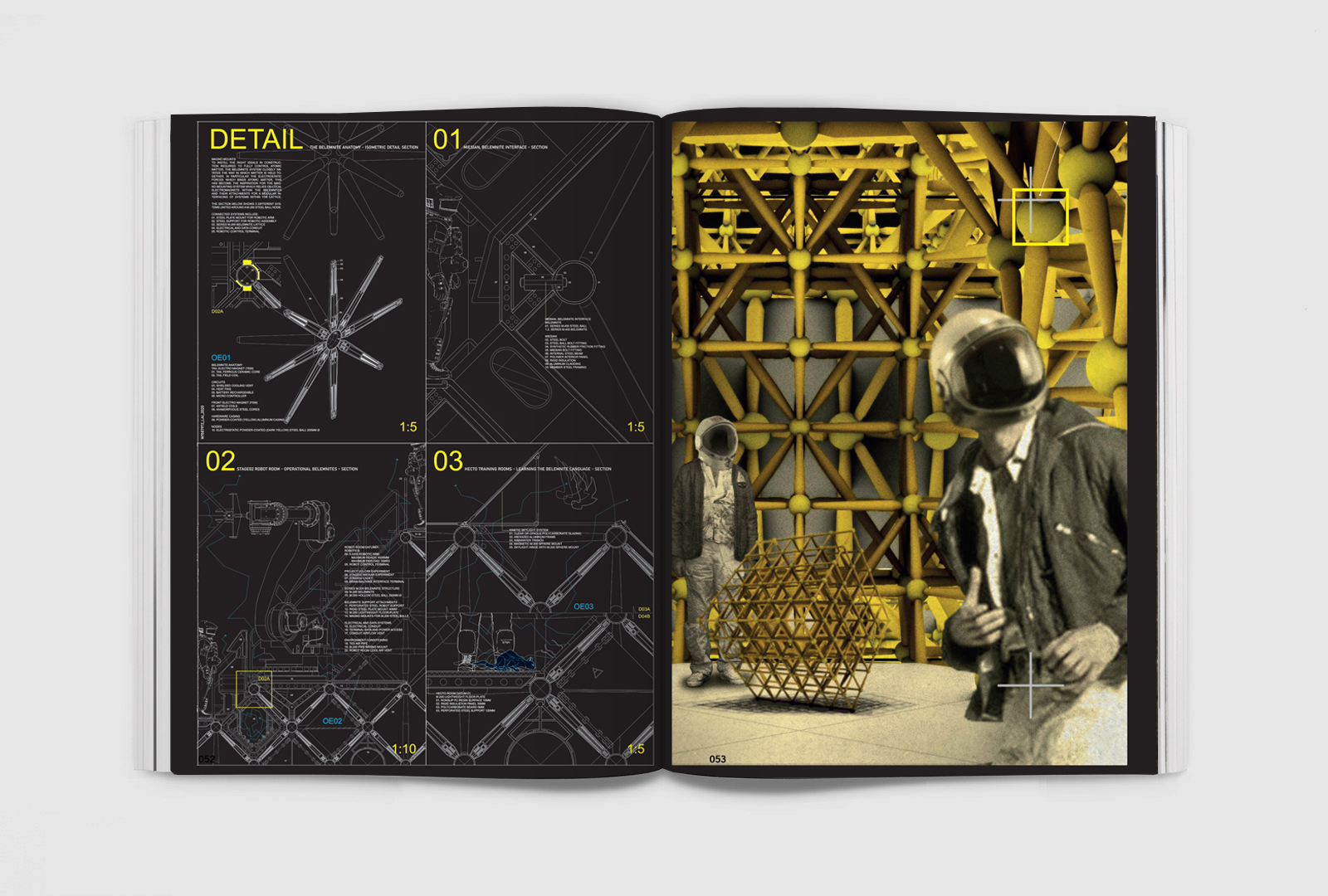
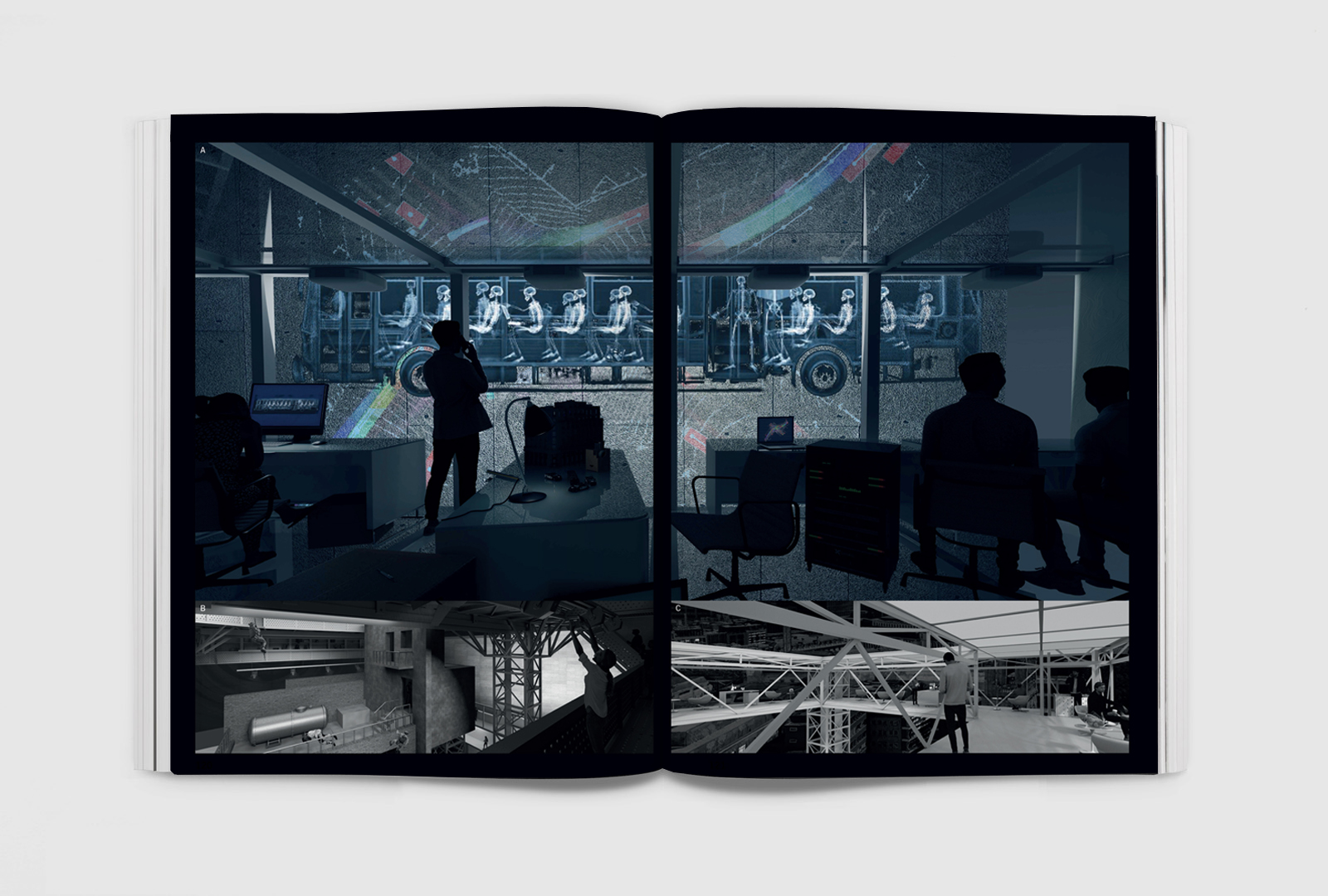
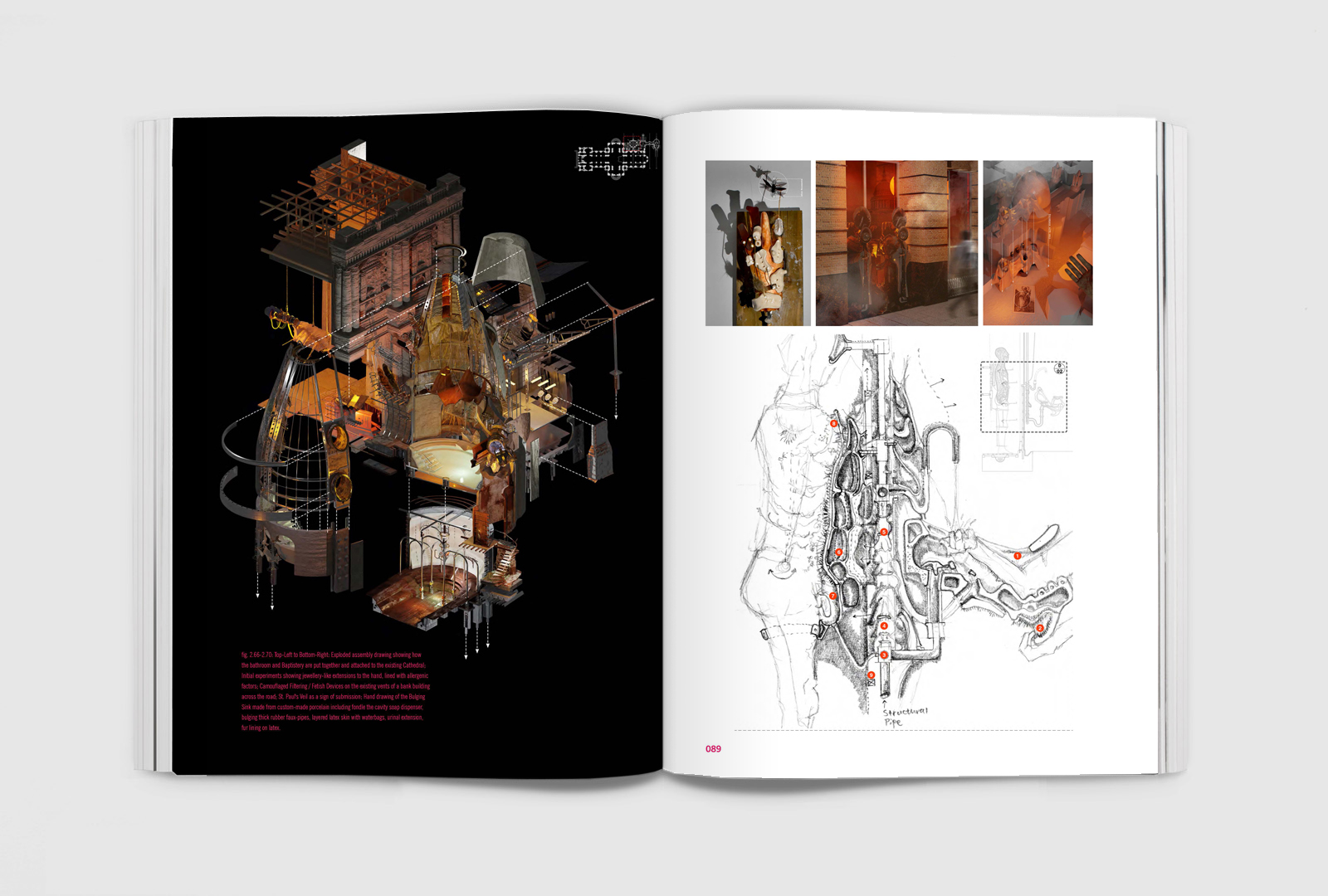
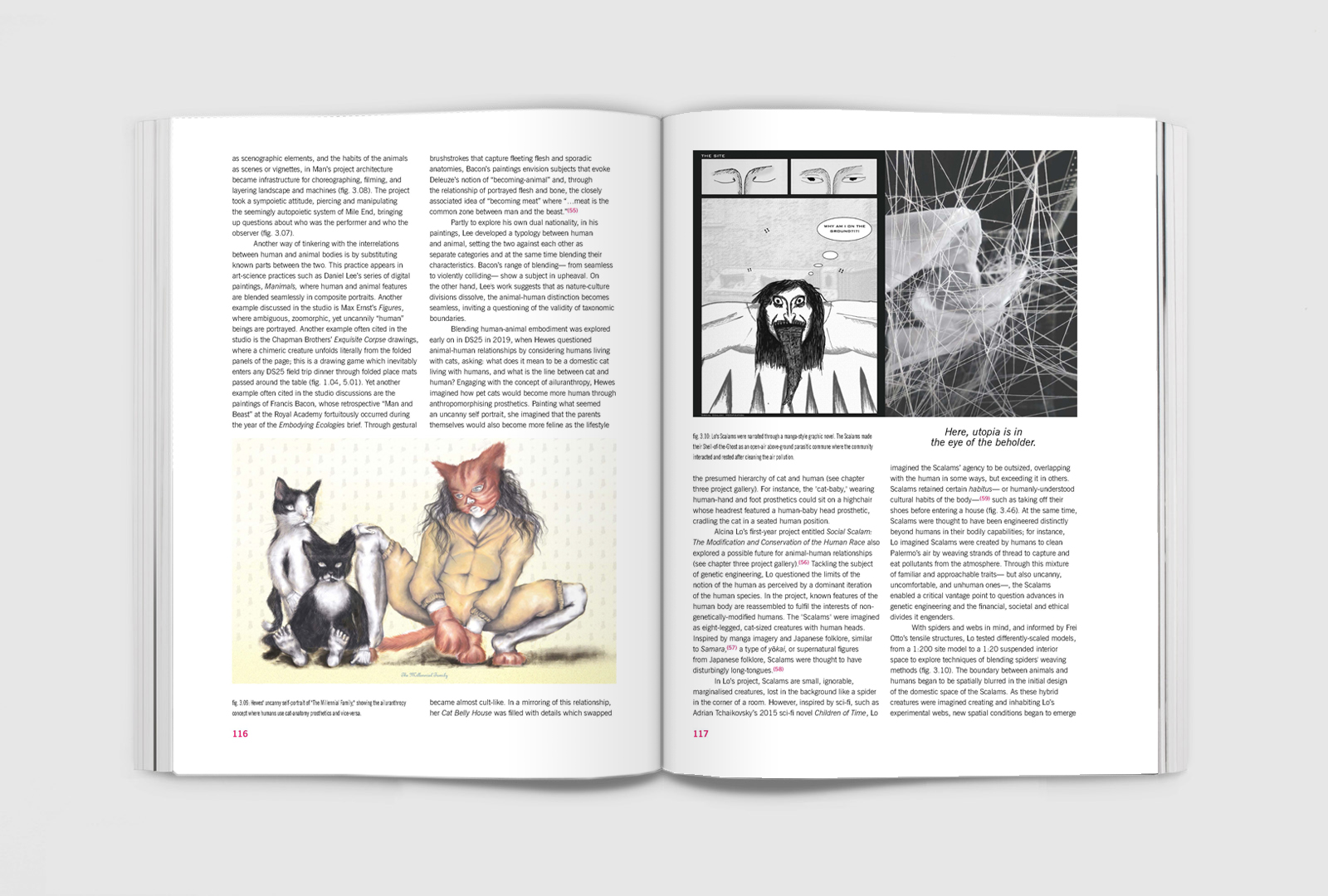
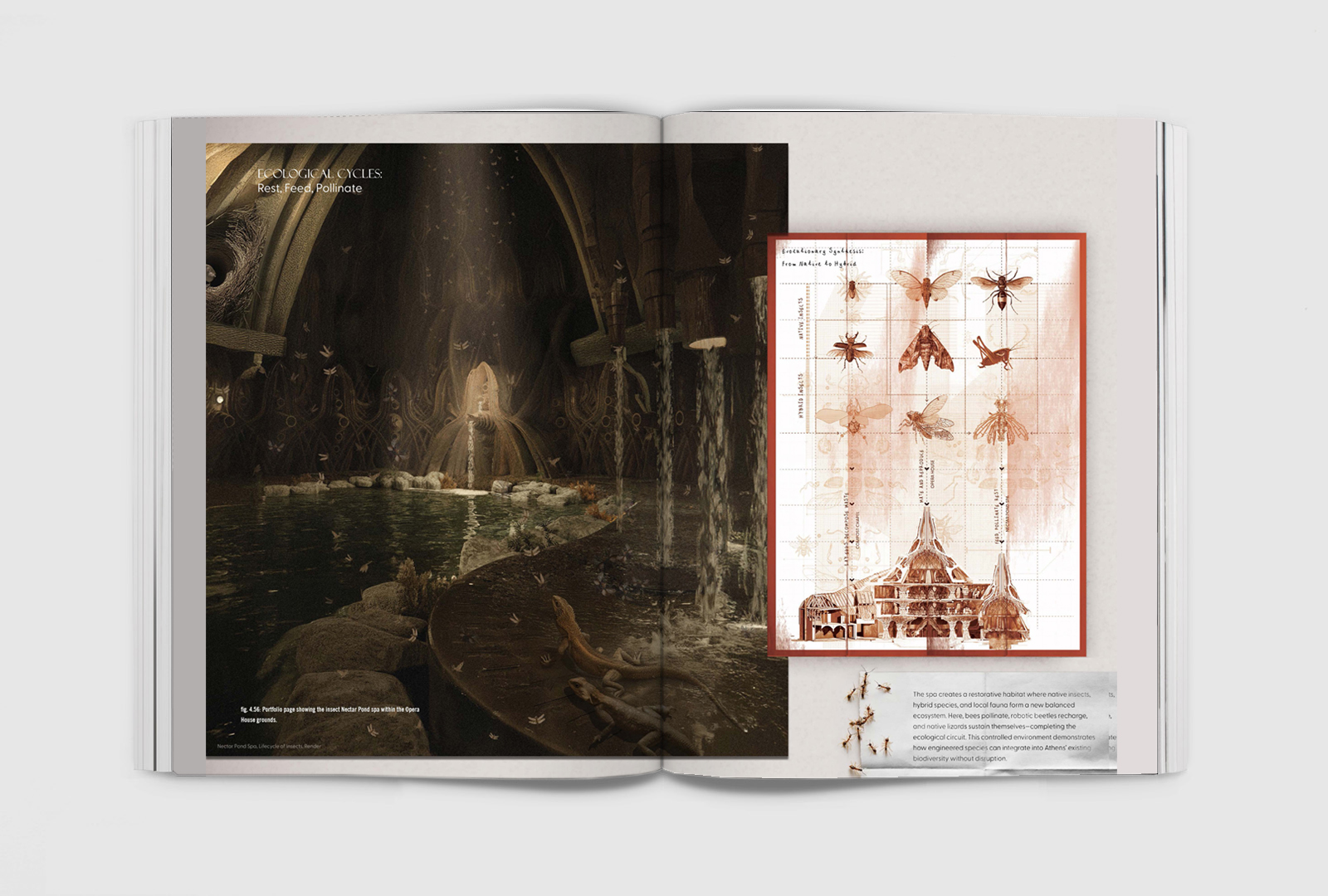
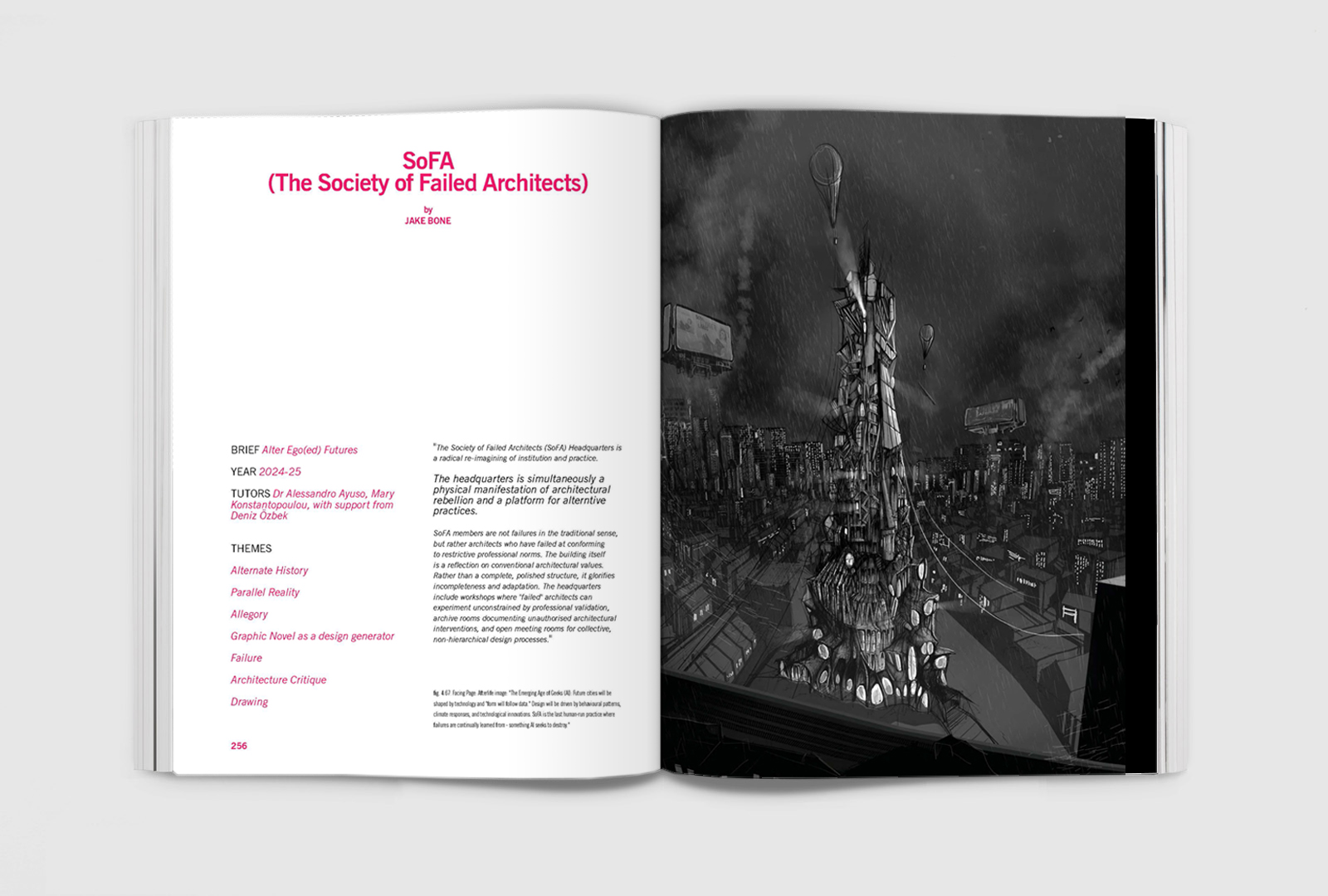
Who are architecture’s subjects? This book presents the research of MArch design studio DS25, where embodying alterity as part of design process is a way of taking account of architecture’s potential subjects amidst constellations of otherness. The book reveals a research trajectory that starts with the premise that the body can be a generative agent for architecture. Body agents, as alter-ego narrators integrated into design projects, bring up new possibilities for design methodology and architecture’s capacities. The chapters move through diverse approaches incorporating sci-fi, experimental drawing, performance, and storytelling, from considering architecture that addresses cyborgs to non-human actants existing in hybrid and multifaceted ecologies. This story is told through writings by studio tutors, featured student projects, expert essays from studio contributors, and visual vignettes incorporating a multiplicity of voices.
Edited by Alessandro Ayuso and Mary Konstantopoulou / DS25 (2025)
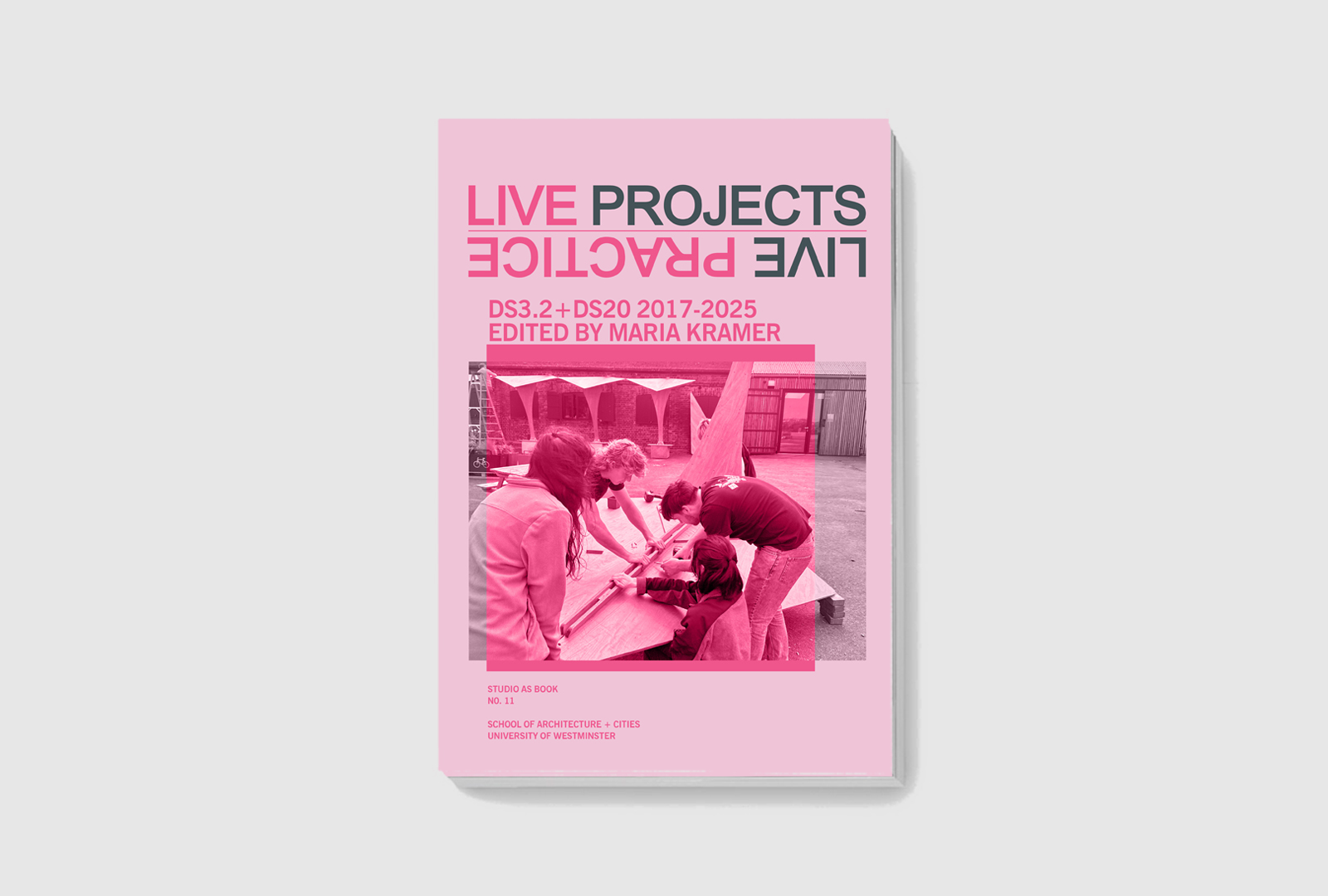
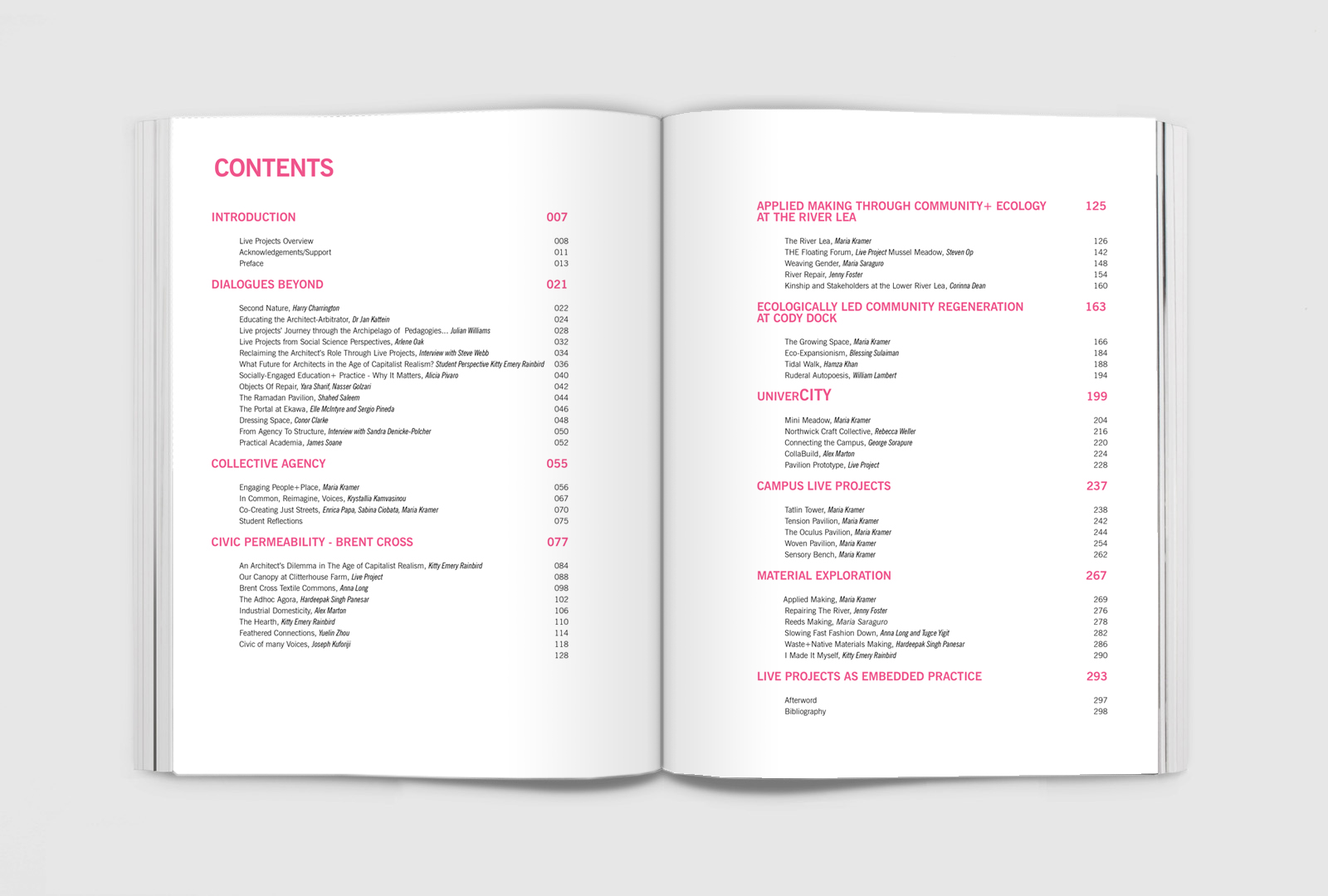
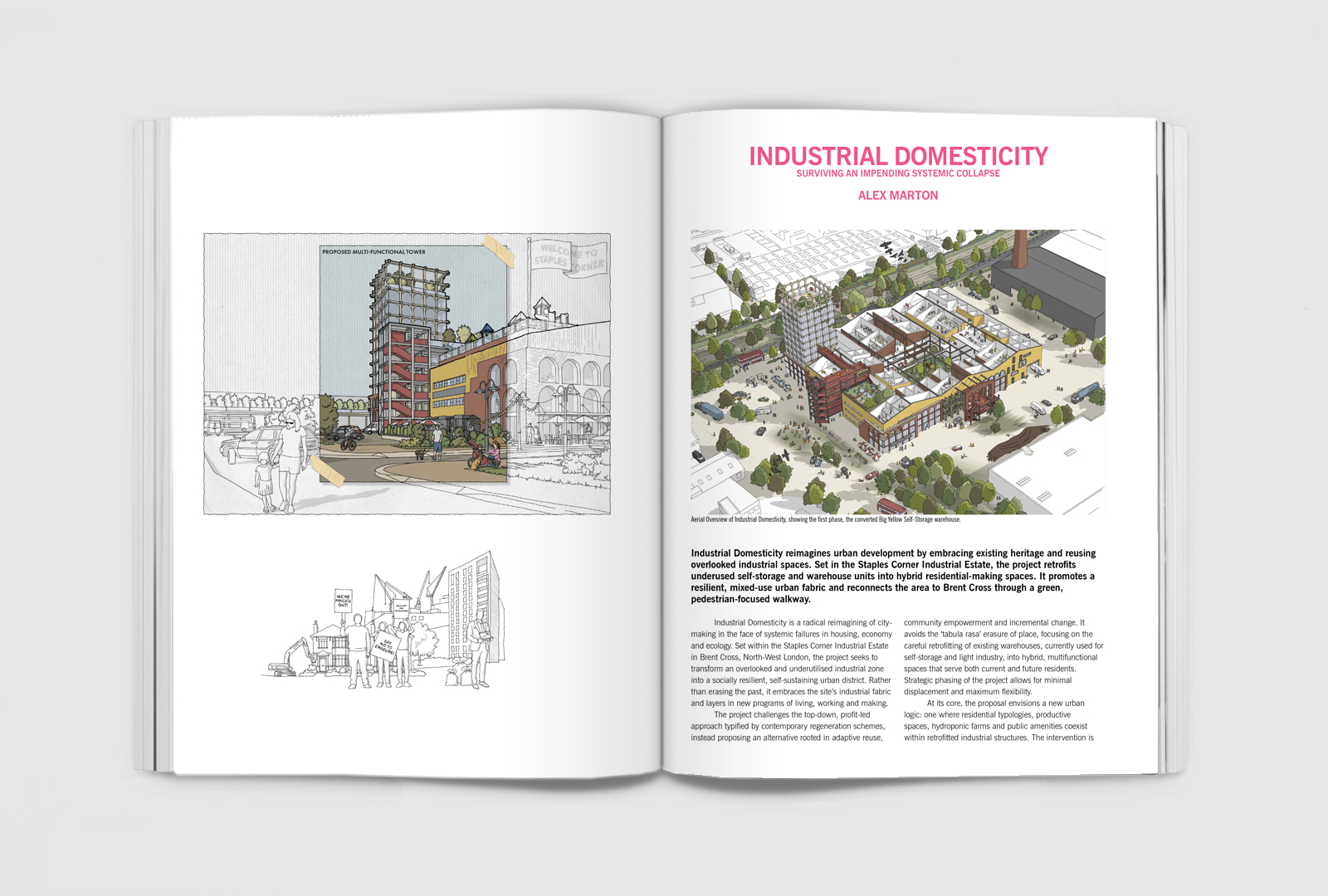
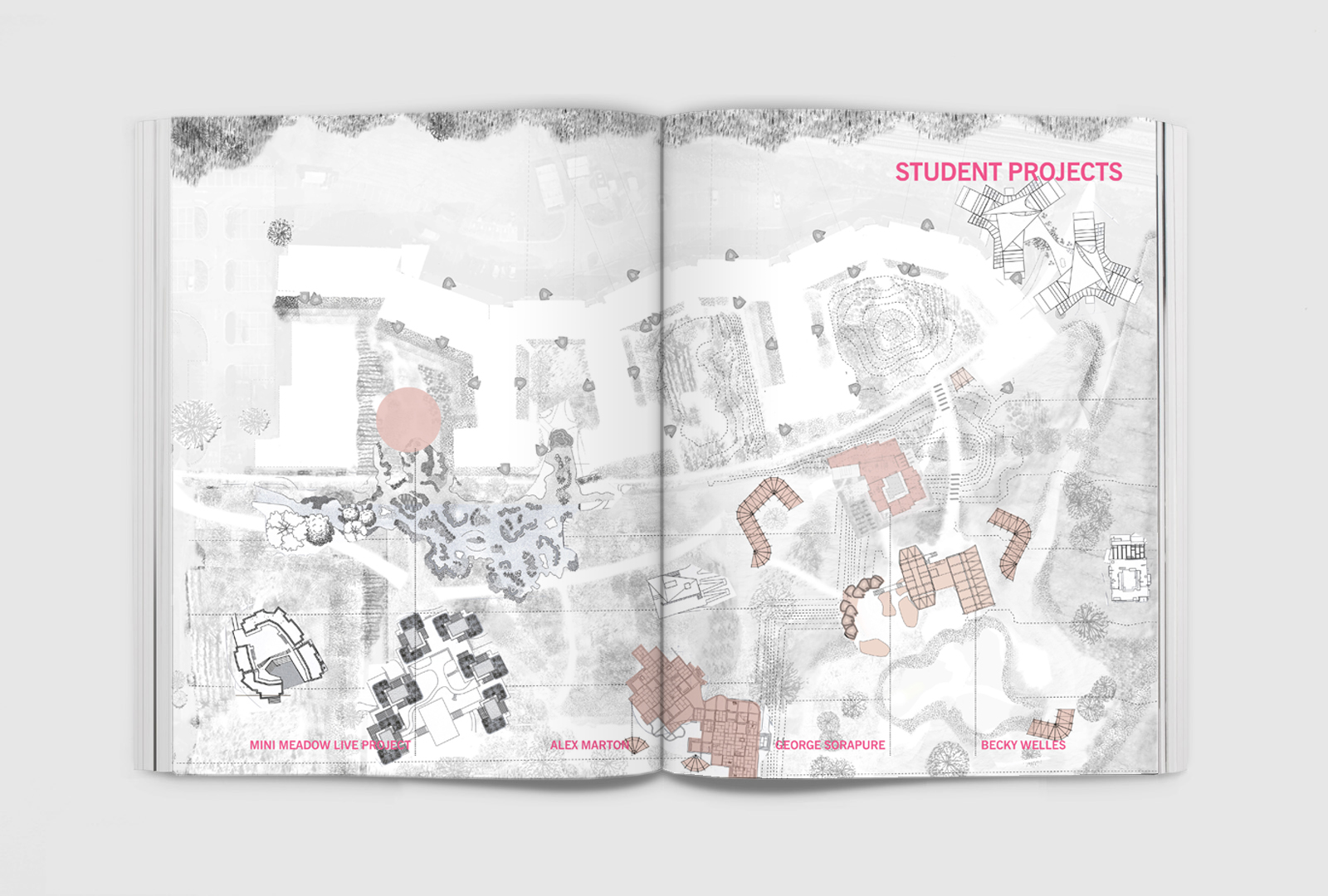
11. DS(3)2 & DS20 / Live Projects – Live Practice
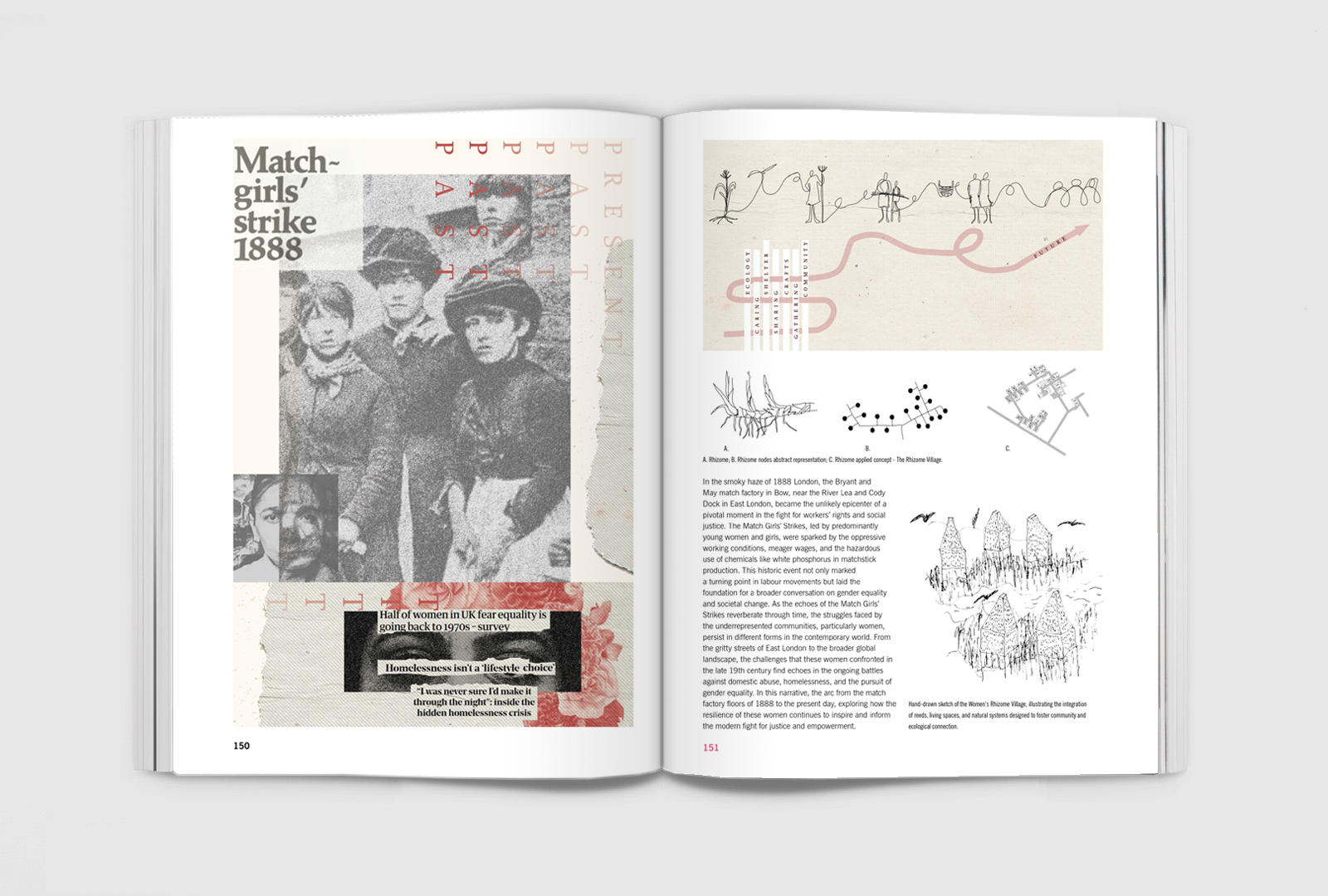
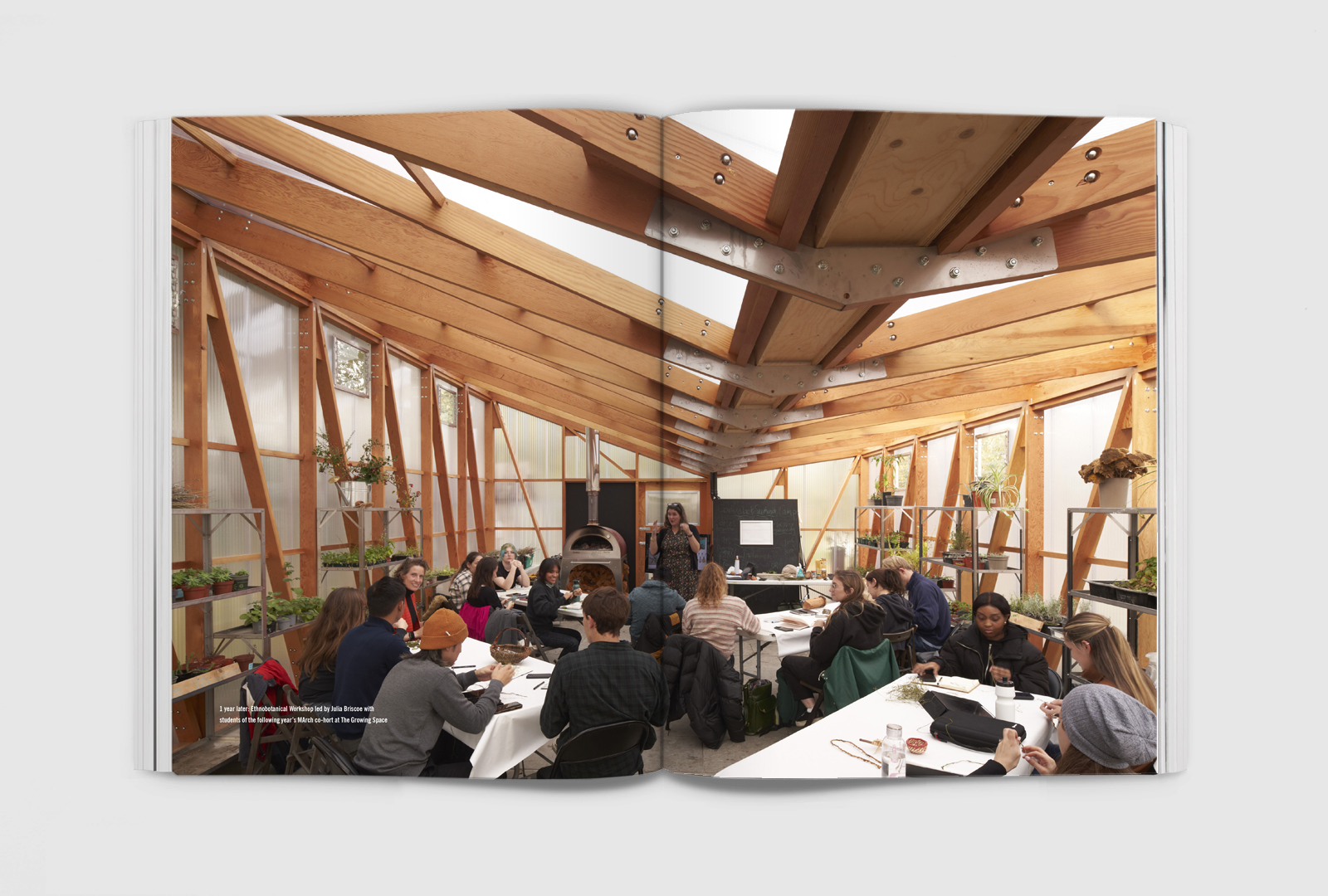
The book ‘Live Projects – Live Practice’ critically documents the social, pedagogical, and physical dimensions of Live Projects undertaken between 2017 and 2025. Through essays, interviews with external peers and partners, and detailed case studies, the volume explores Live Projects as a mode of design-driven research that integrates making, collaboration, and community engagement within architectural education. It interrogates the tensions between practice and pedagogy, process and output, and situates individual student work within both the Live Projects and broader intellectual and disciplinary debates. The book reflects on the transformative potential of Live Projects as an architecture of situated, ecologically responsive practice.
Contributions by Jan Kattein, Steve Webb, Enrica Papa, Sandra Denicke-Polcher, Alicia Pivaro, James Soane, Harry Charrington, Julian Williams, Arlene Oak, Yara Sharif, Nasser Golzari, Shahed Saleem, Conor Clarke, Corinna Dean, Krystallia Kamvasinou, Sabina Cioboata, Kitty Emery Rainbird, Andy Pitchford, Alessandra Foderaro, Jordan Scammell, Jan Kattein Architects
Edited by Maria Kramer / DS20 (2025)
12. DS(3)1 / EXPLORING THE UNHEIMLICH
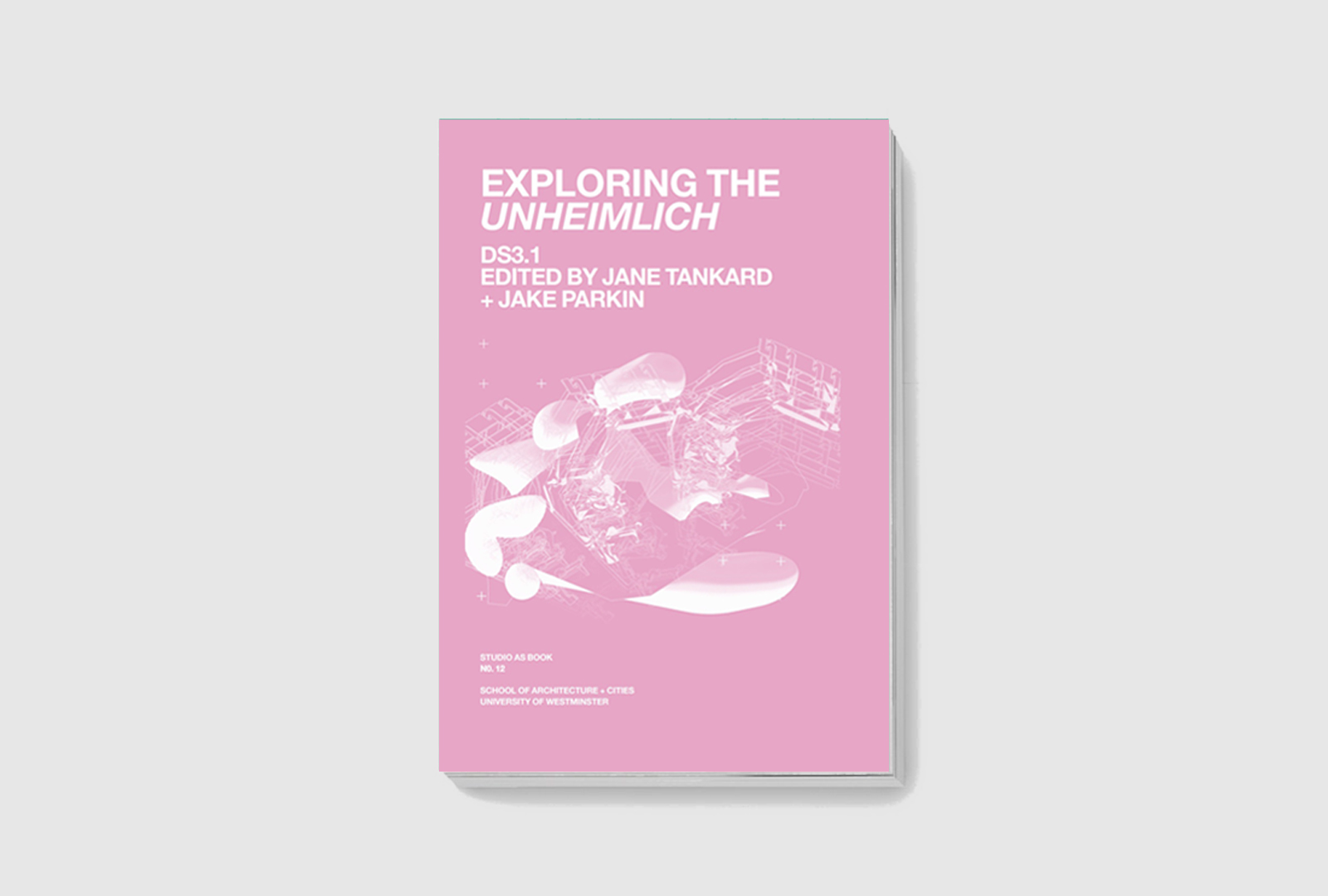
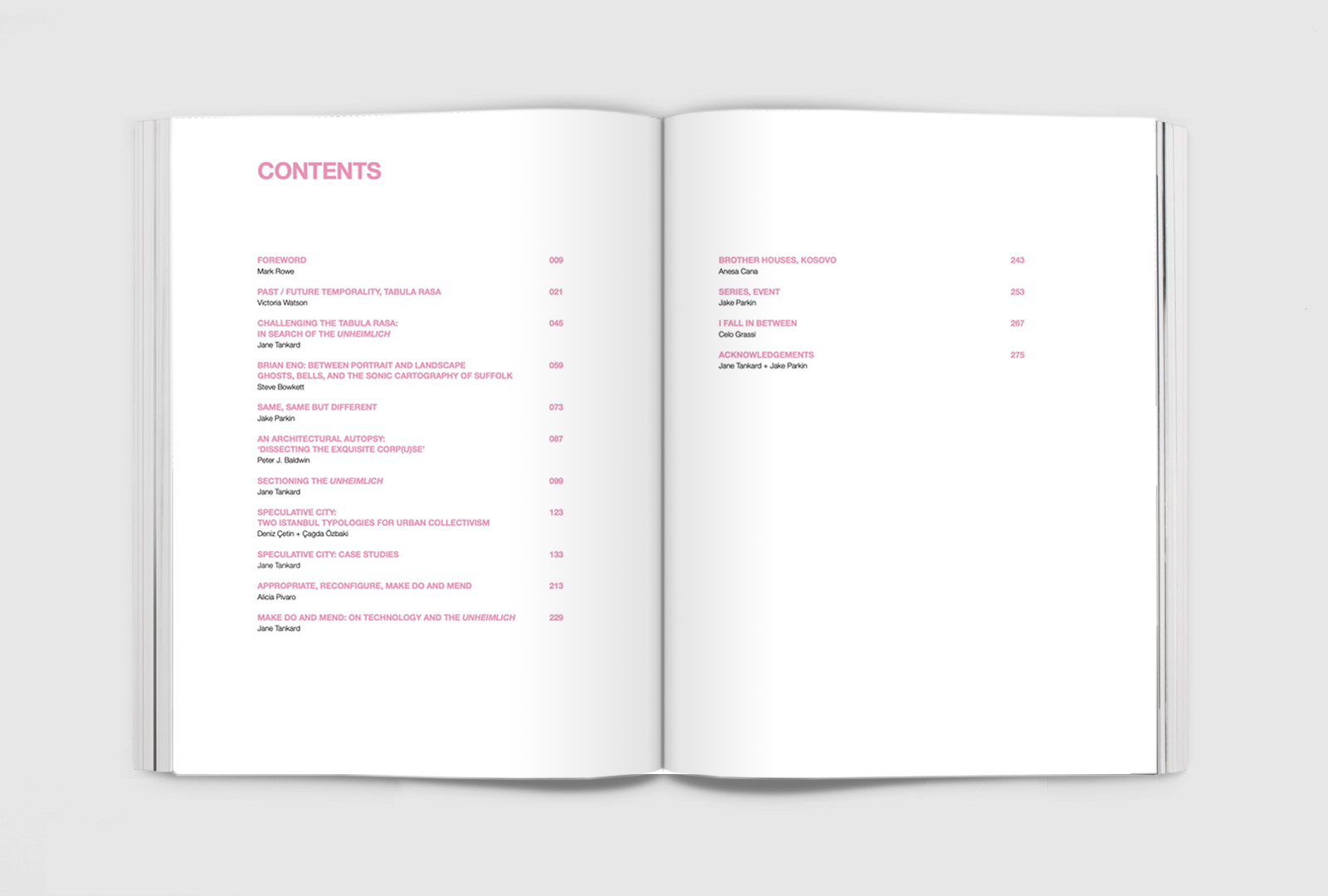
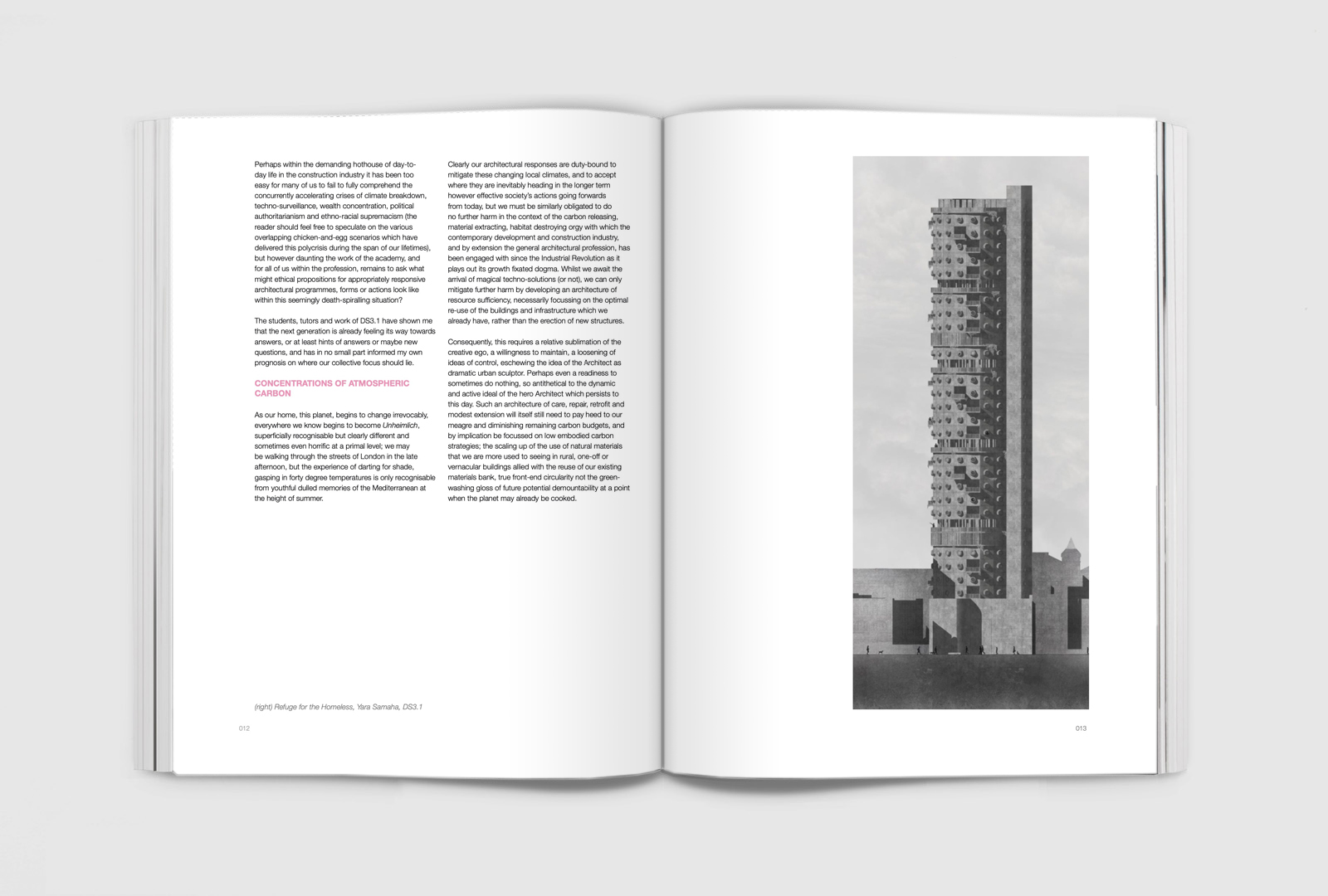
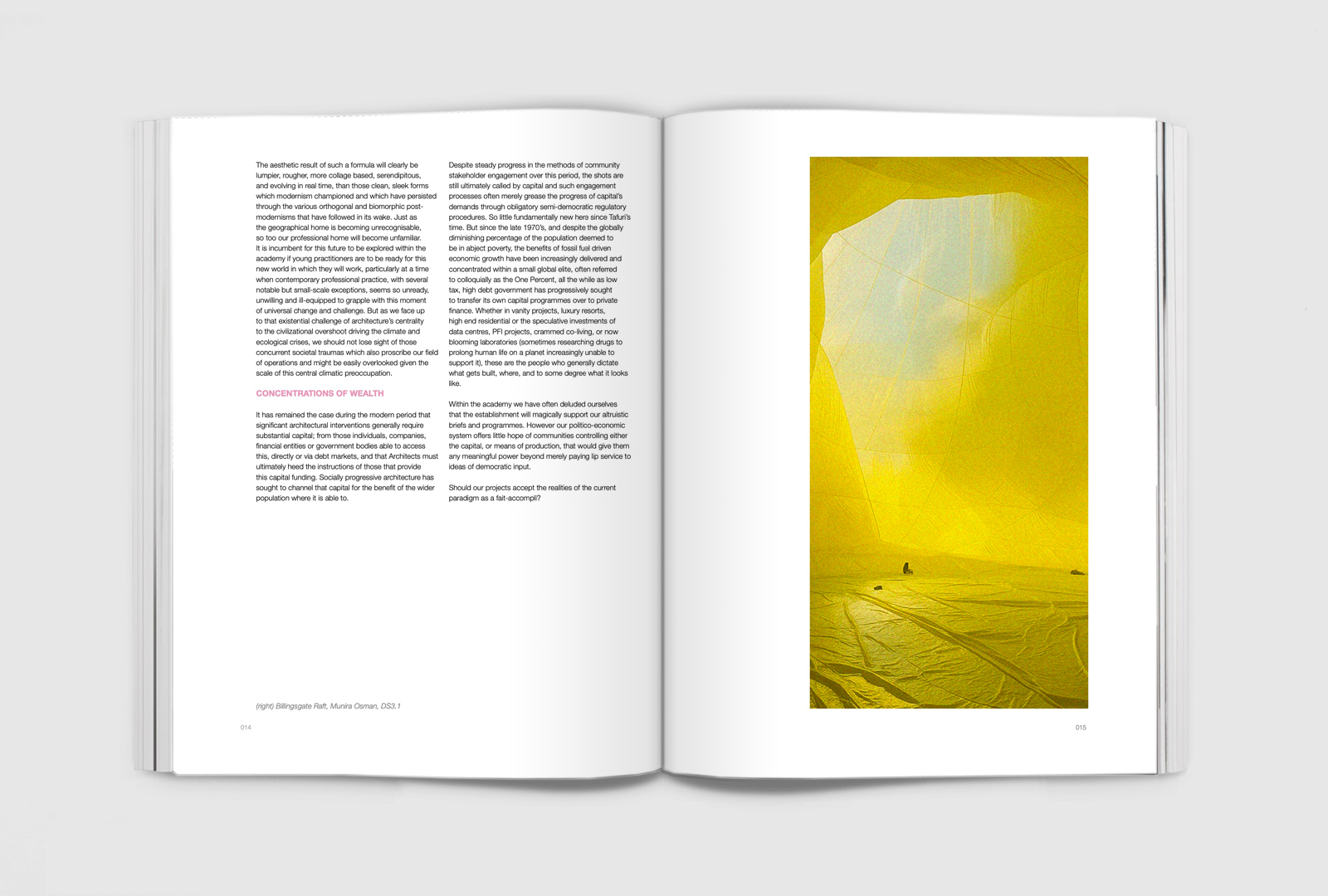
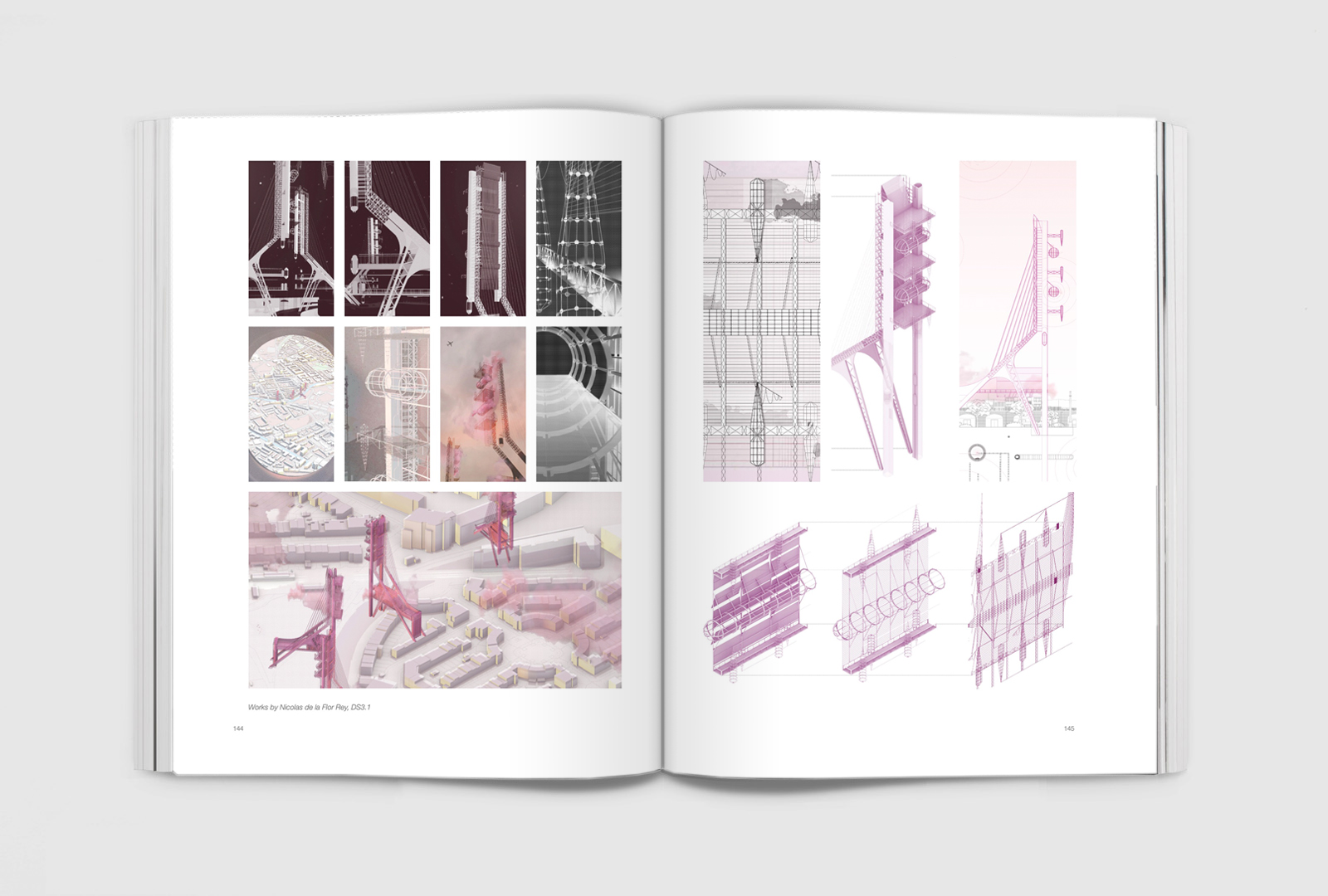
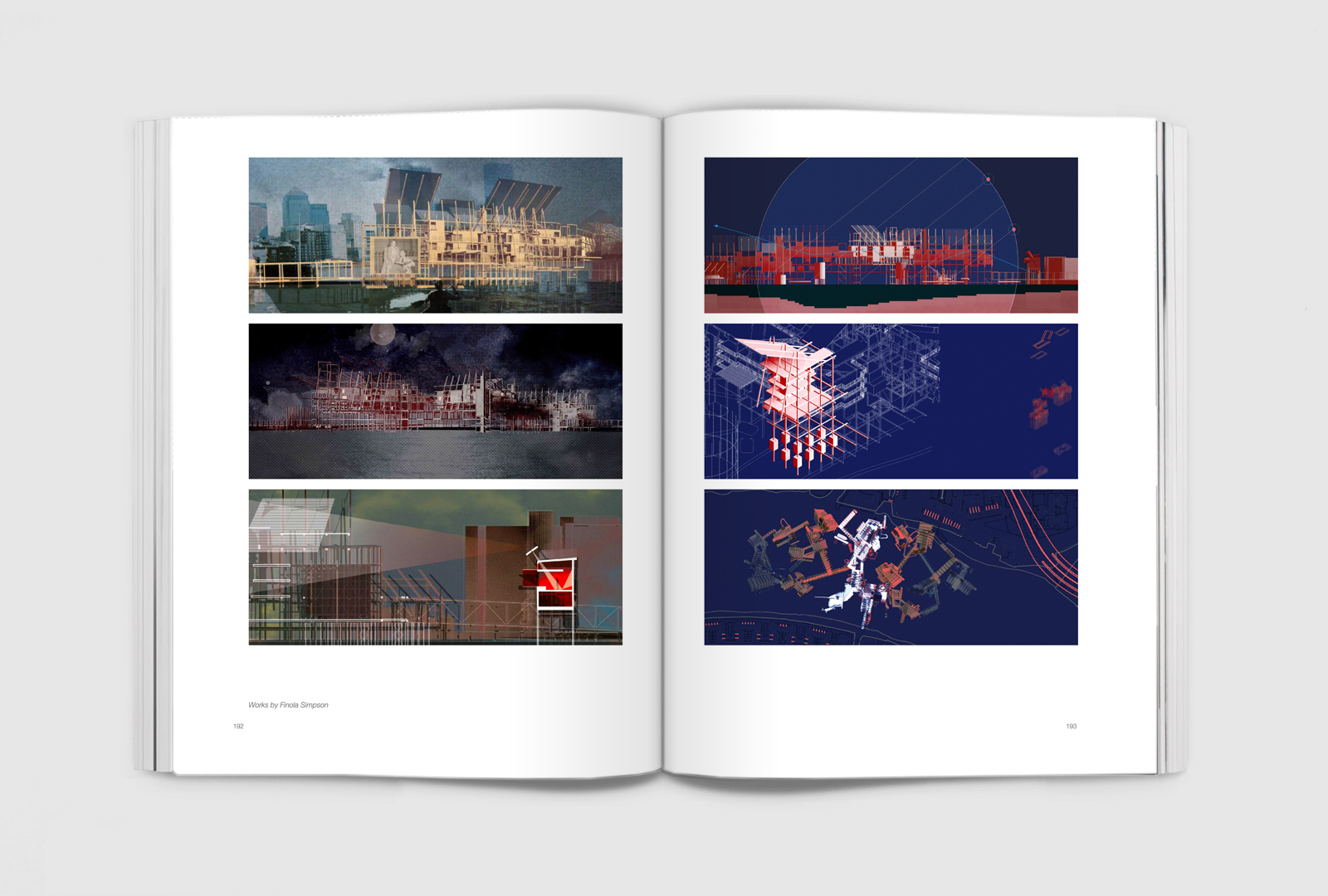
Concerned with the architectural, socio-political contexts that define and enforce notions of the other in contemporary urban contexts, over the past decade DS3.1’s gaze has focused on the liminal conditions defined by Freud’s notion of the Unheimlich. Readings of overlooked urban topographies and creative practice, our work has been framed by the analysis of cinematic space and theory. In this book, we explore the notion of the Unheimlich as a mechanism with which to unlock new perspectives on the systems the profession uses: from the modernist tabula rasa to the obfuscated social constructs of orthographic drawing and porosity as creative environmental condenser. The book hosts a number of essays from practitioners, academics and those found in-between, all of whom have been central to the evolution of our academic collective. The student work is a creative vein that runs throughout, charting radical positions and propositions for architectural terrains and propositions that look to inclusive, radical futures.
Jane Tankard / Jake Parkin / DS(3)1 (2025)
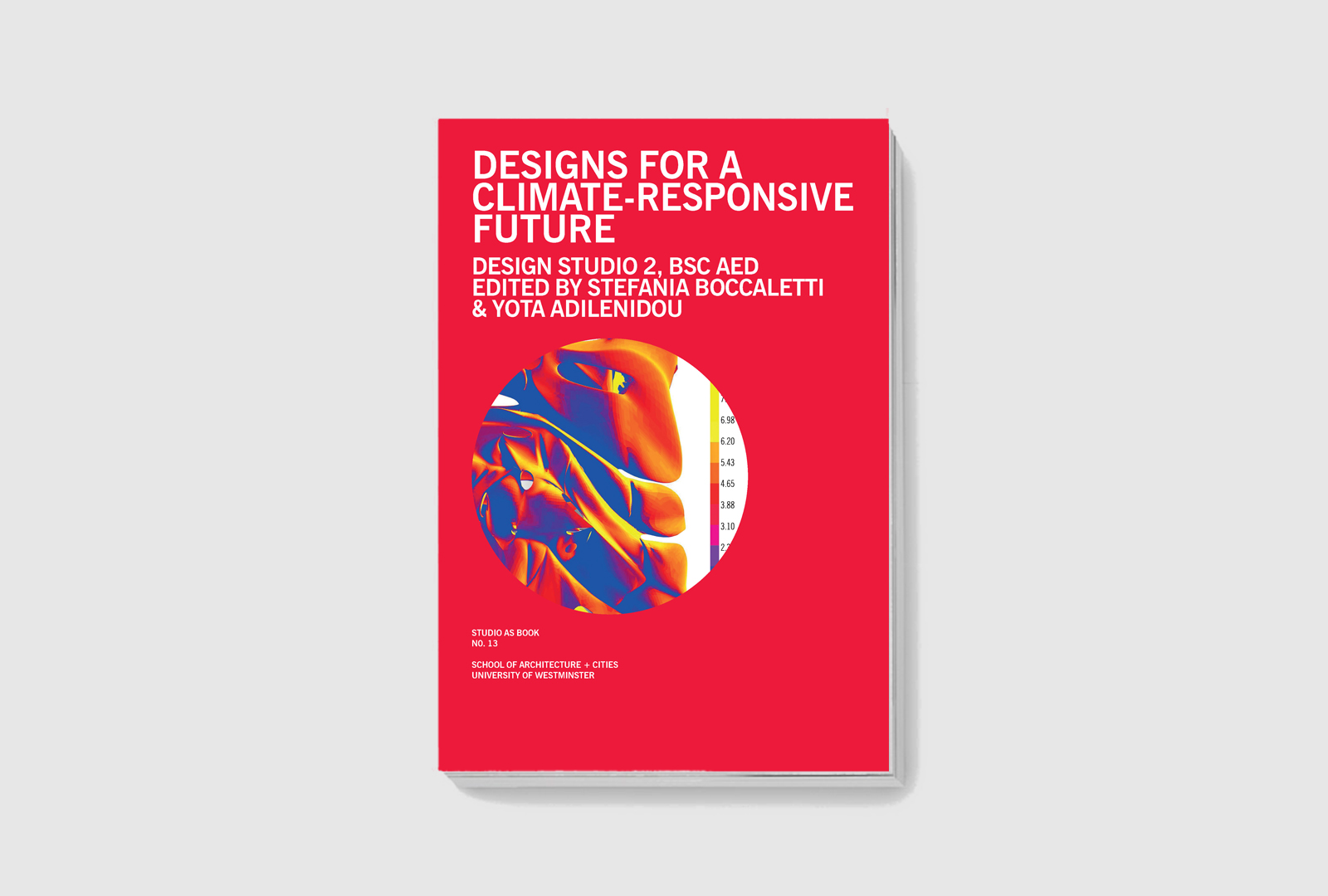
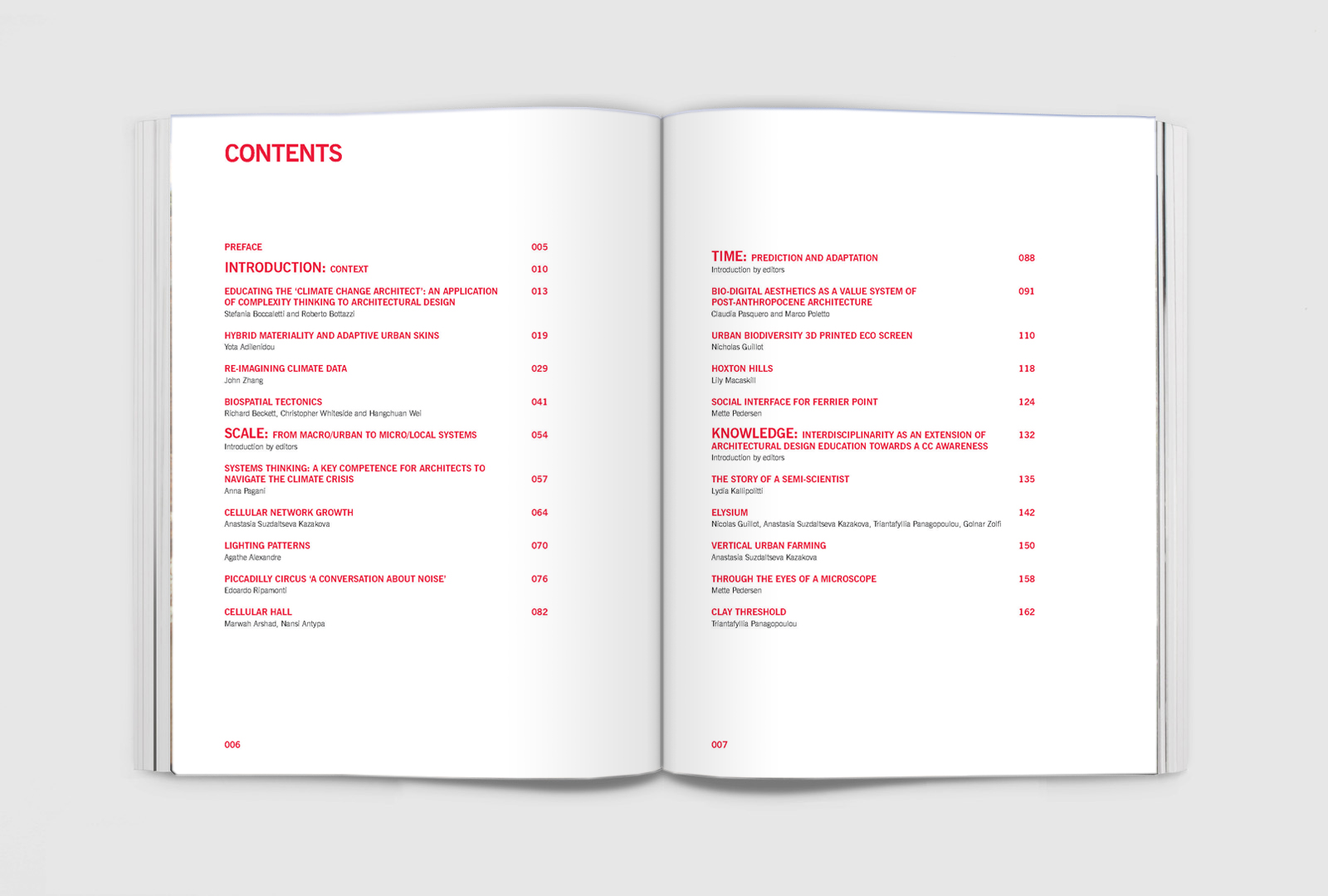
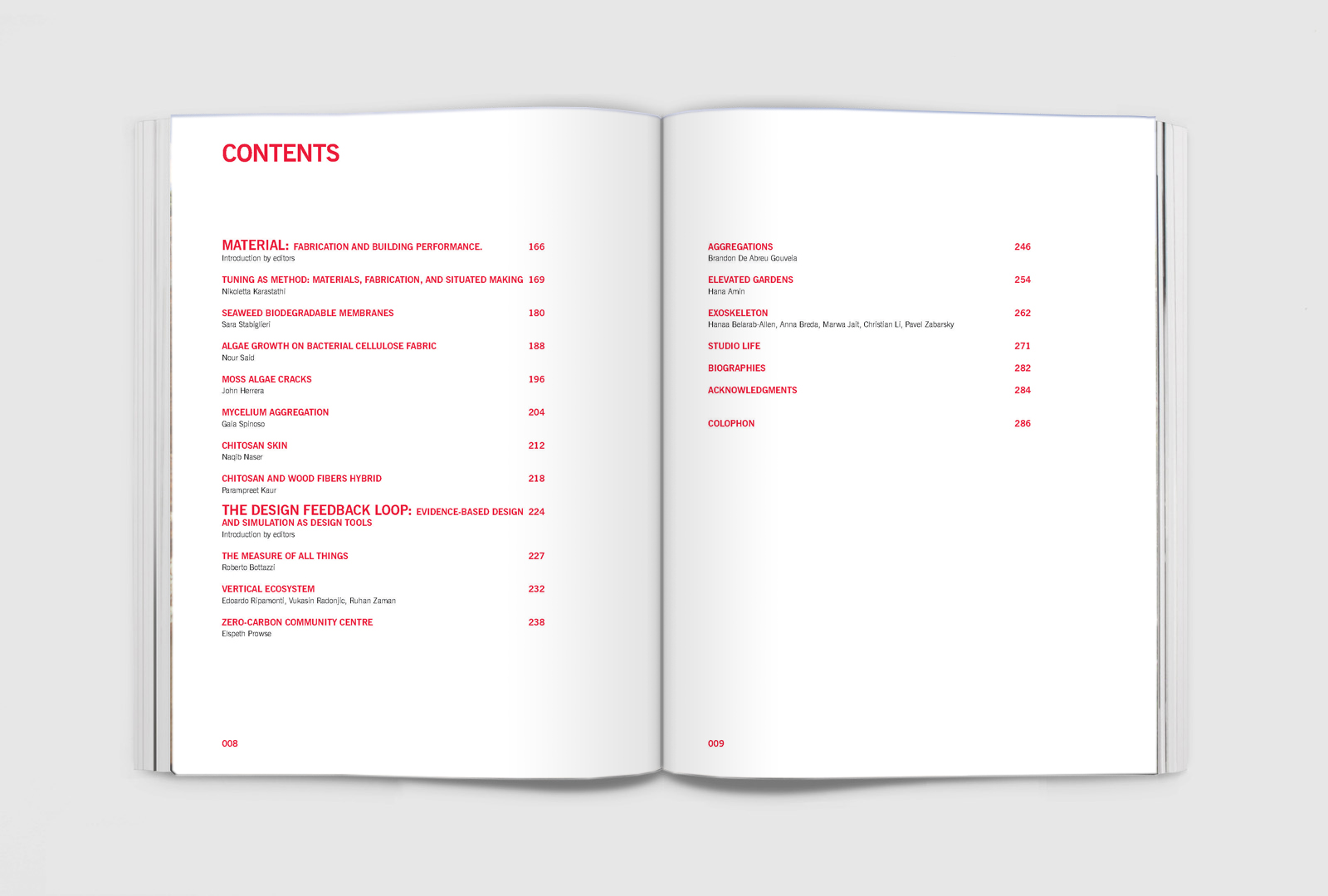
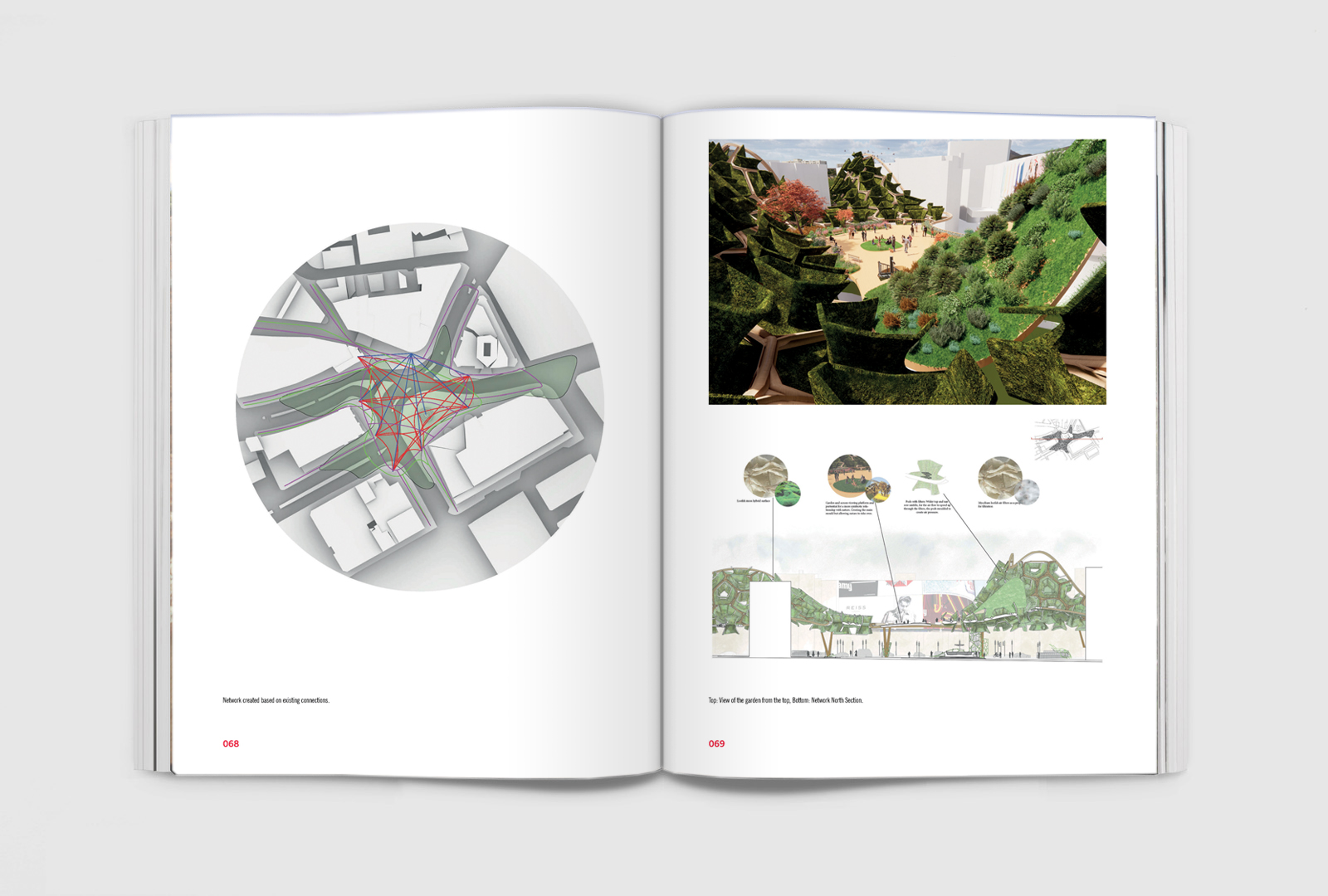
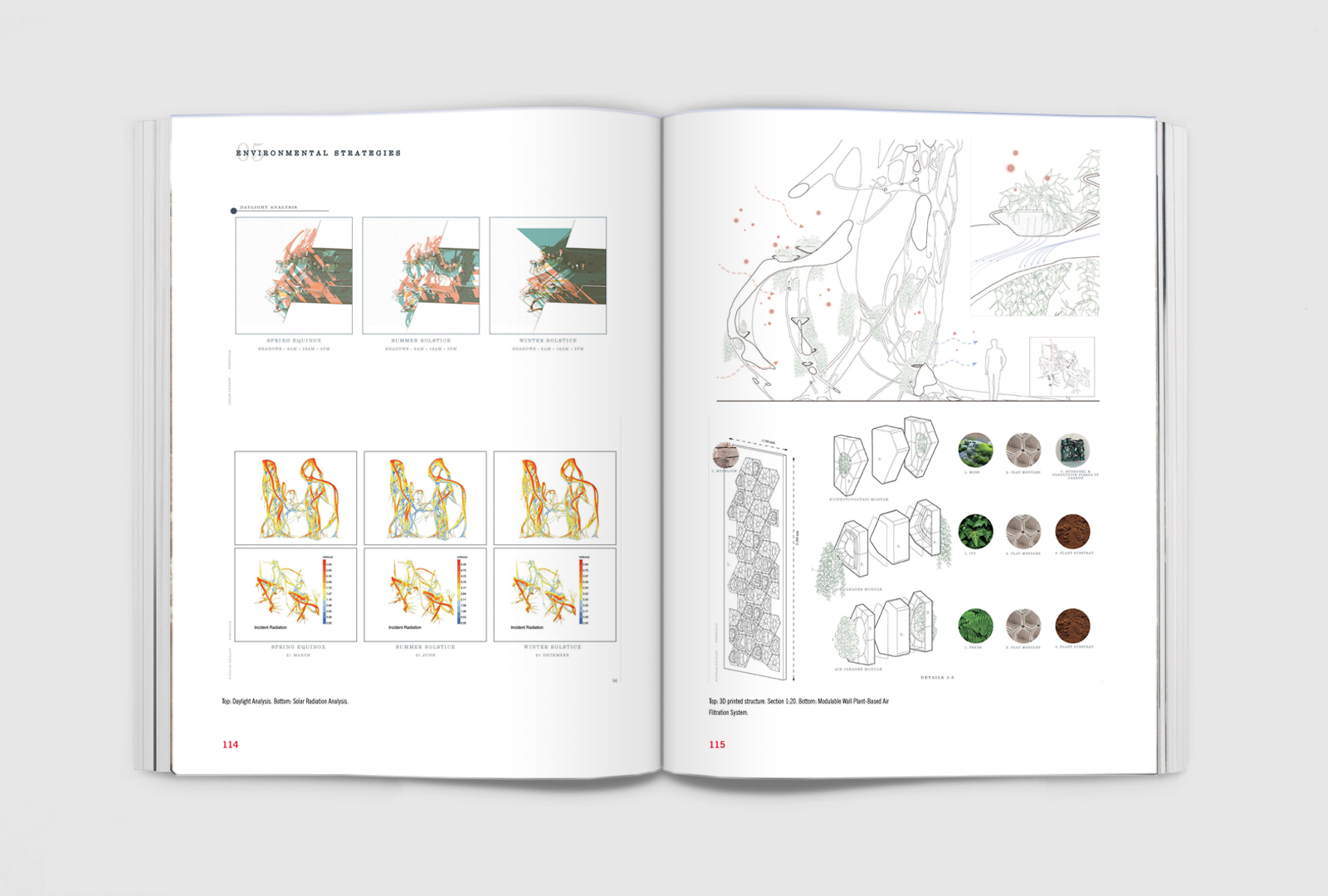
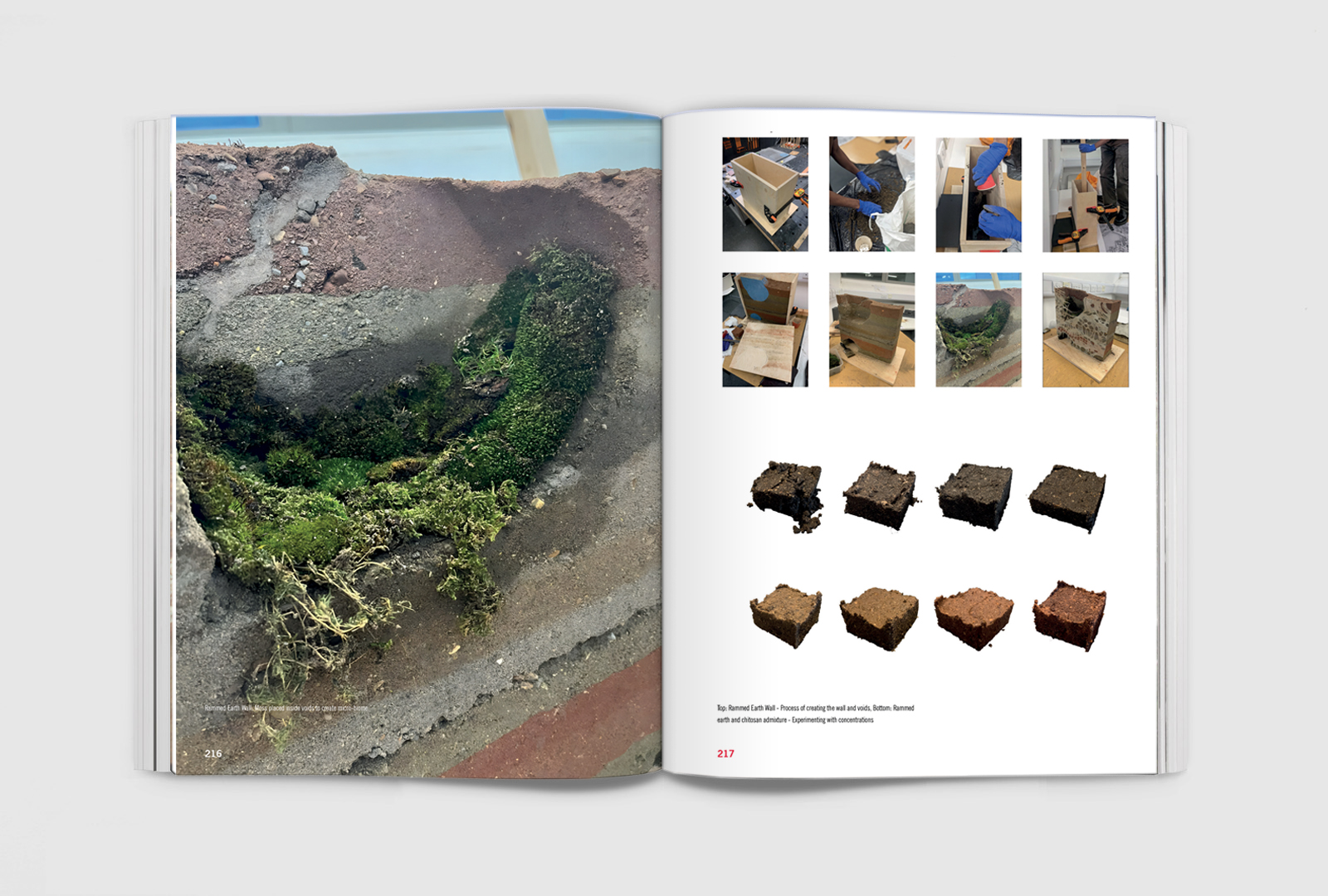
13. BSc AED DS2 / DESIGNS FOR A CLIMATE-RESPONSIVE FUTURE
What does it mean to educate a climate change architect? How does an awareness of the practical and conceptual challenges posed by the climate emergency impact design practice and education? These are some of the questions that are at the core of the BSc AED program and, in particular, the second year of study, which constitute the focus of this publication. The 2nd Yr is both the most archetypical and innovative as students complete four different design briefs exposing them to different scales, climatic scenarios, and design issues. As students move from brief to brief, they explore different media that we deem critical to the education of the climate change architect: advanced digital tools (including text-to-image AI software), fabrication, making, regenerative design, and innovative material studies. The book will discuss the key elements underpinning the education of the climate change architect:
- – develop ideas and strategies through evidence-based approach to design;
- – incorporate elements of complexity theory in the way in which design strategies and proposal are developed:
- – expand the time frame accounted by design by considering both present climatic conditions as well as 2080 projections by IPCC.
Edited by Stefania Boccaletti and Yota Adilenidou / BSc AED DS2 (2025)
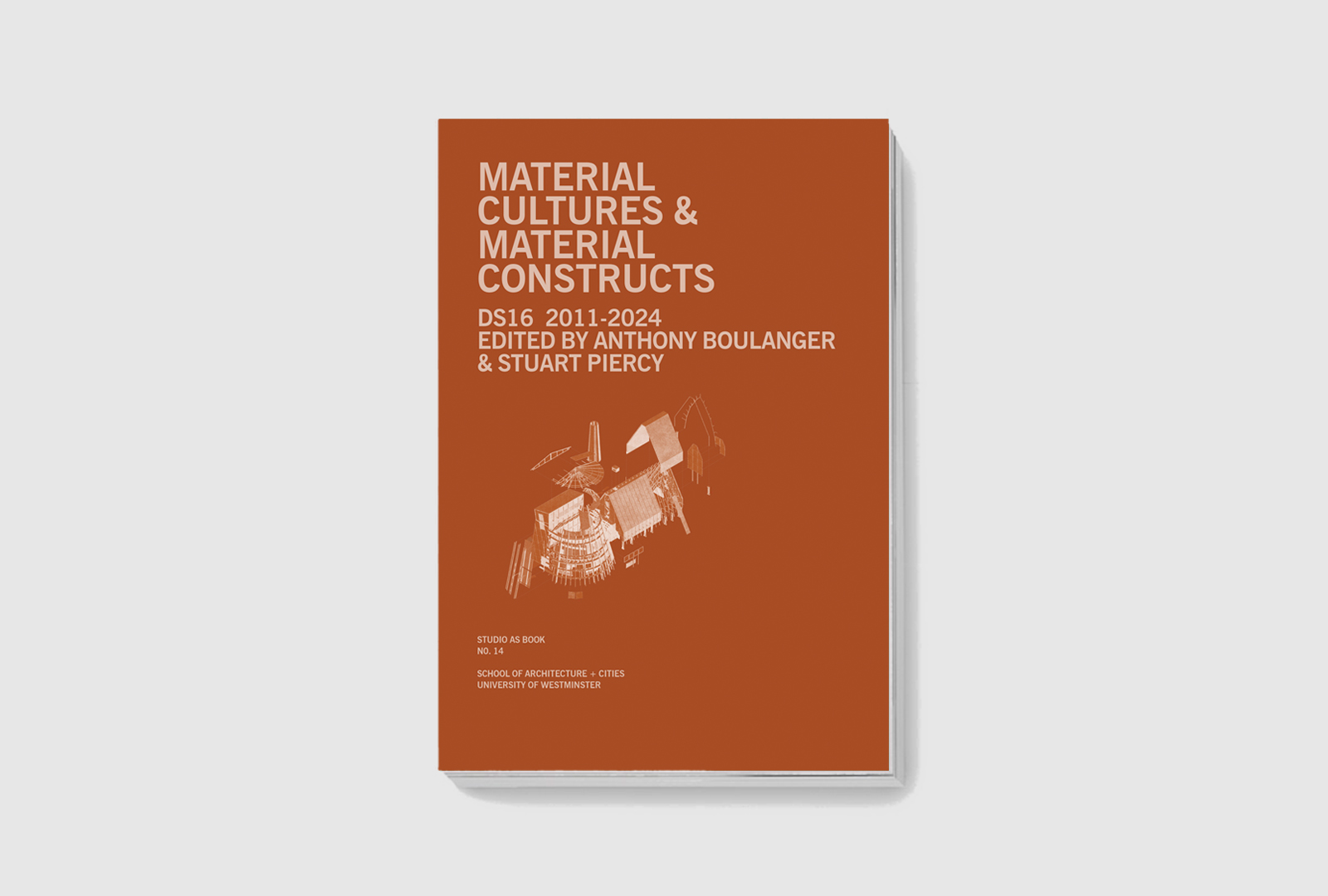
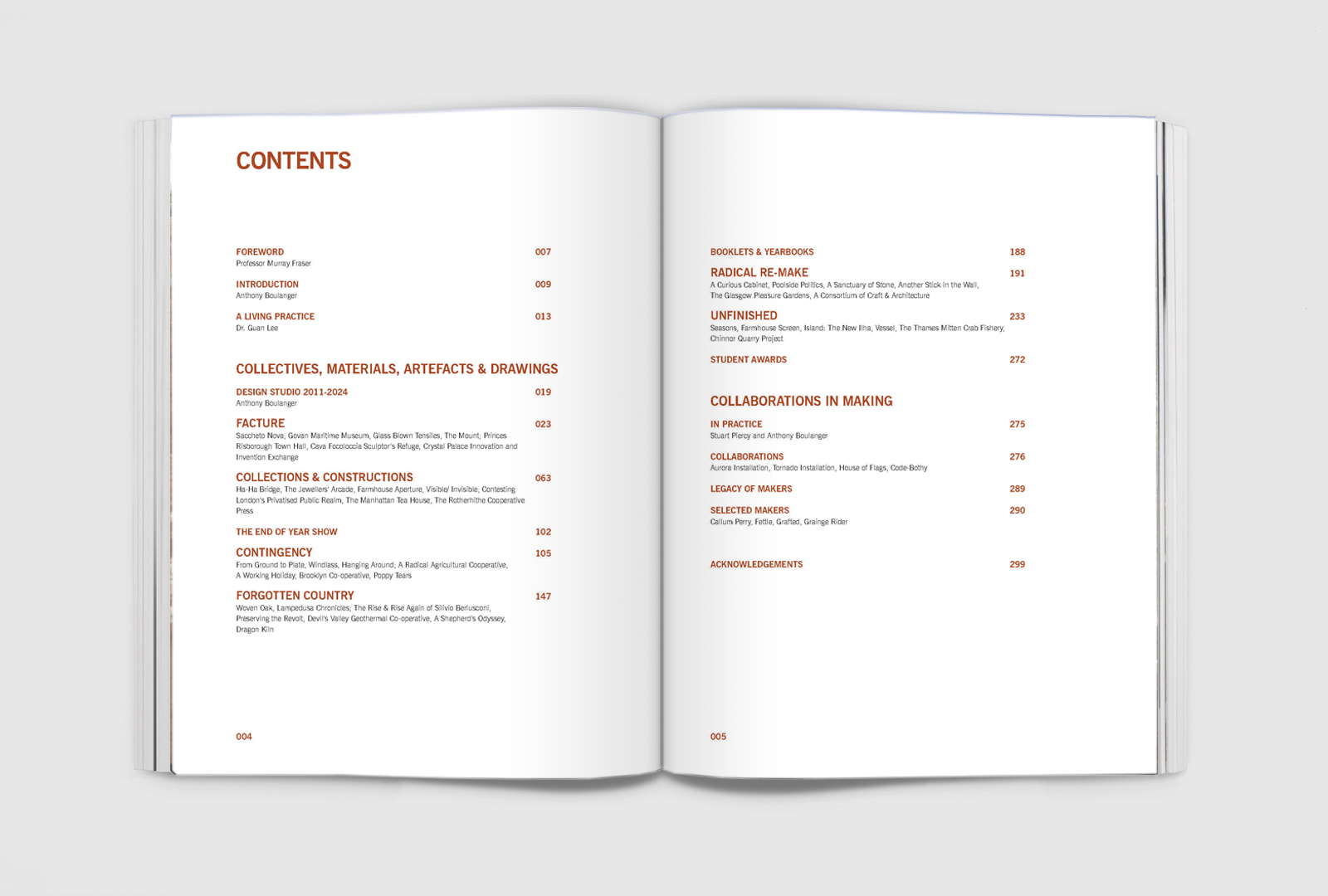
14. DS16 / MATERIAL CULTURES & MATERIAL CONSTRUCTS
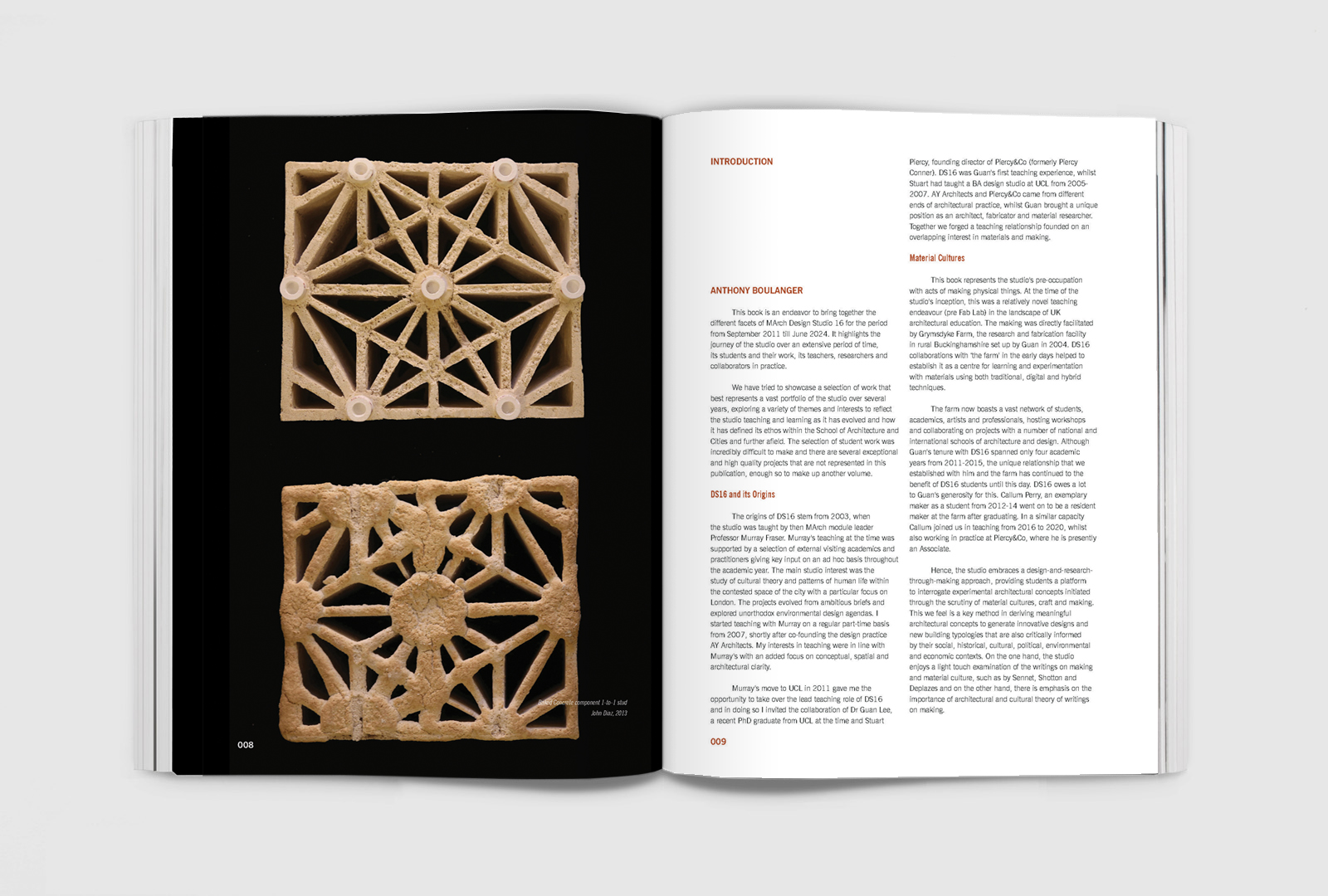
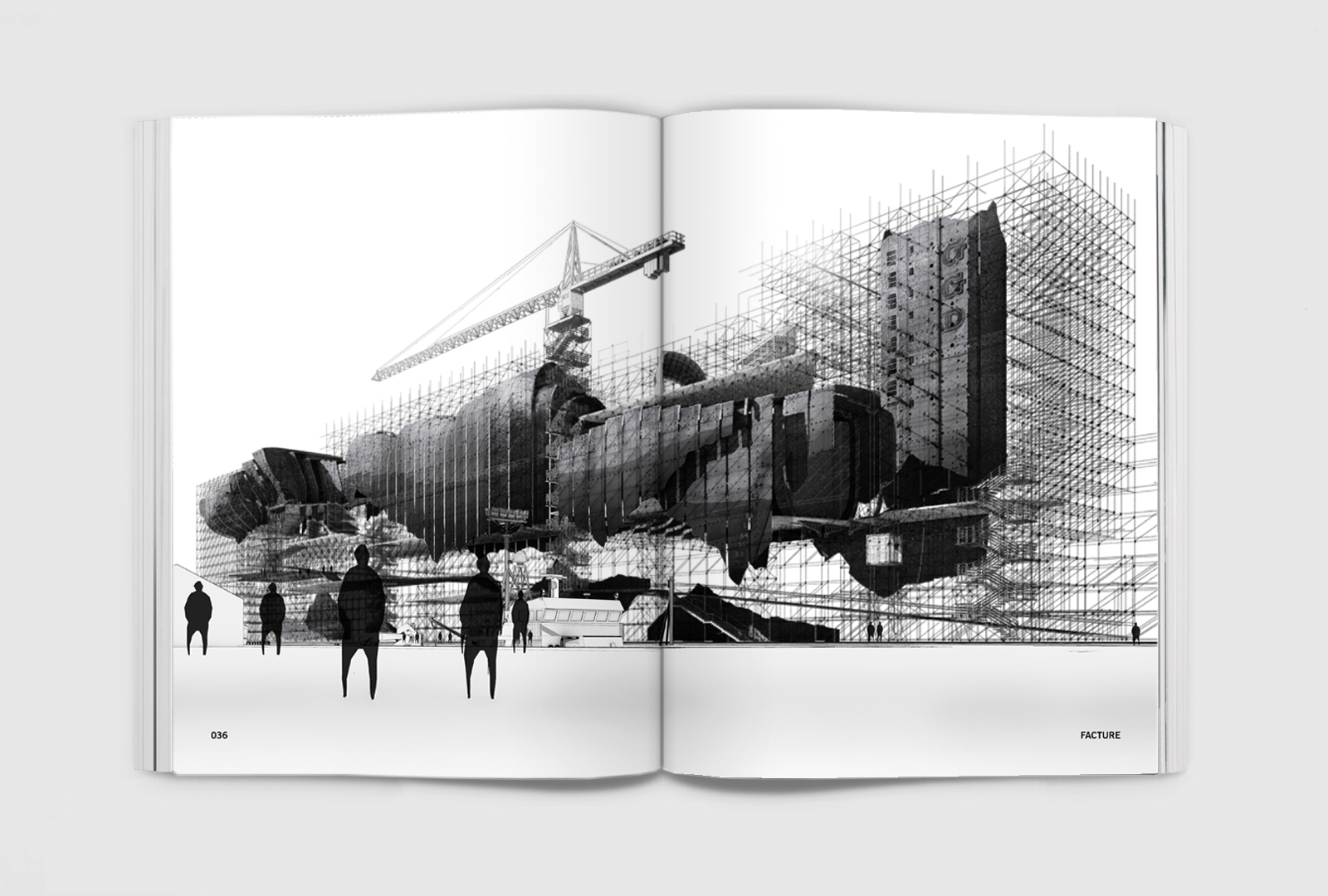
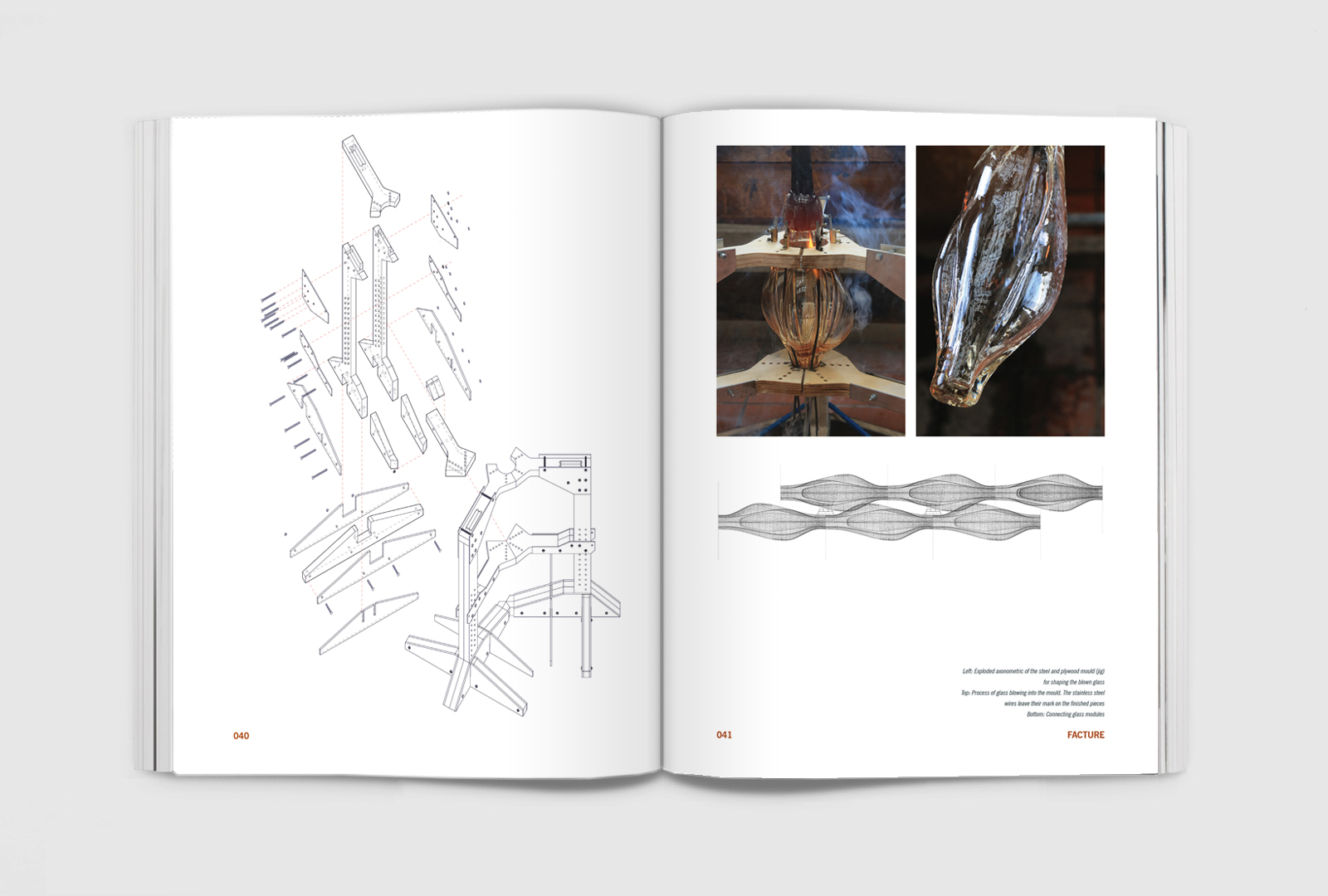
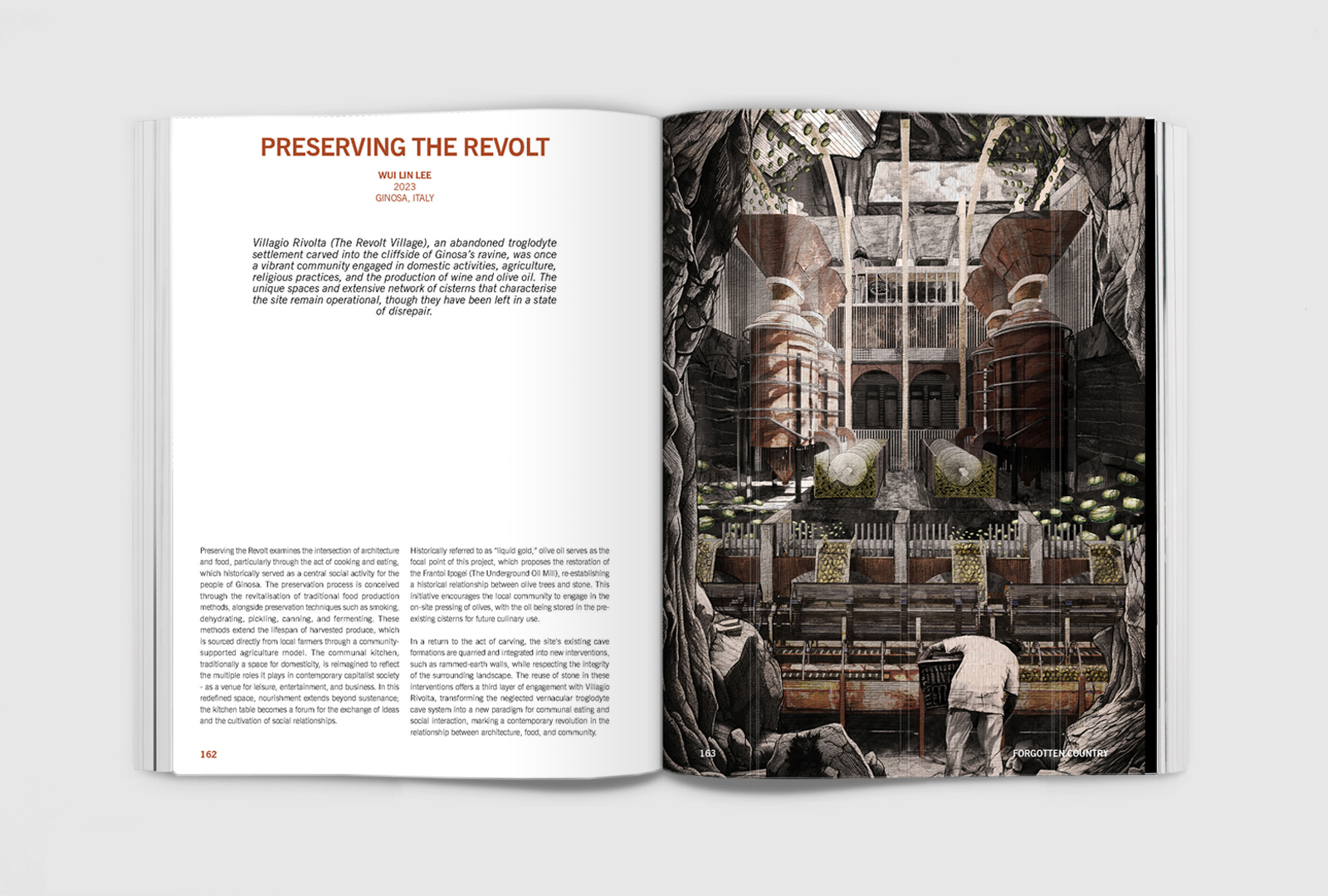
This edition of Studio as Book illustrates the studio teaching, student work, research and knowledge exchange of the Masters in Architectural Design Studio 16 [DS16] spanning an extensive period from 2011 until 2024. During this time the studio has established itself as a platform for students to interrogate experimental architectural concepts initiated by investigations of material cultures and through the exploration of techniques of physical making. This ‘design through-making’ approach has been immensely supported by an ongoing relationship with Grymsdyke Farm, the research and fabrication facility located in rural Lacey Green, Buckinghamshire in the Chilterns Area of Outstanding Natural Beauty. The book presents a selection of analogue, digital and hybrid making endeavours, both done collectively and individually, most of which were conceived, fabricated and installed at the farm. This work sits alongside students’ main individual thesis projects as well as a selection of student and tutor collaborations in practice.
Edited by Anthony Boulanger and Stuart Piercy / DS16 (2025)