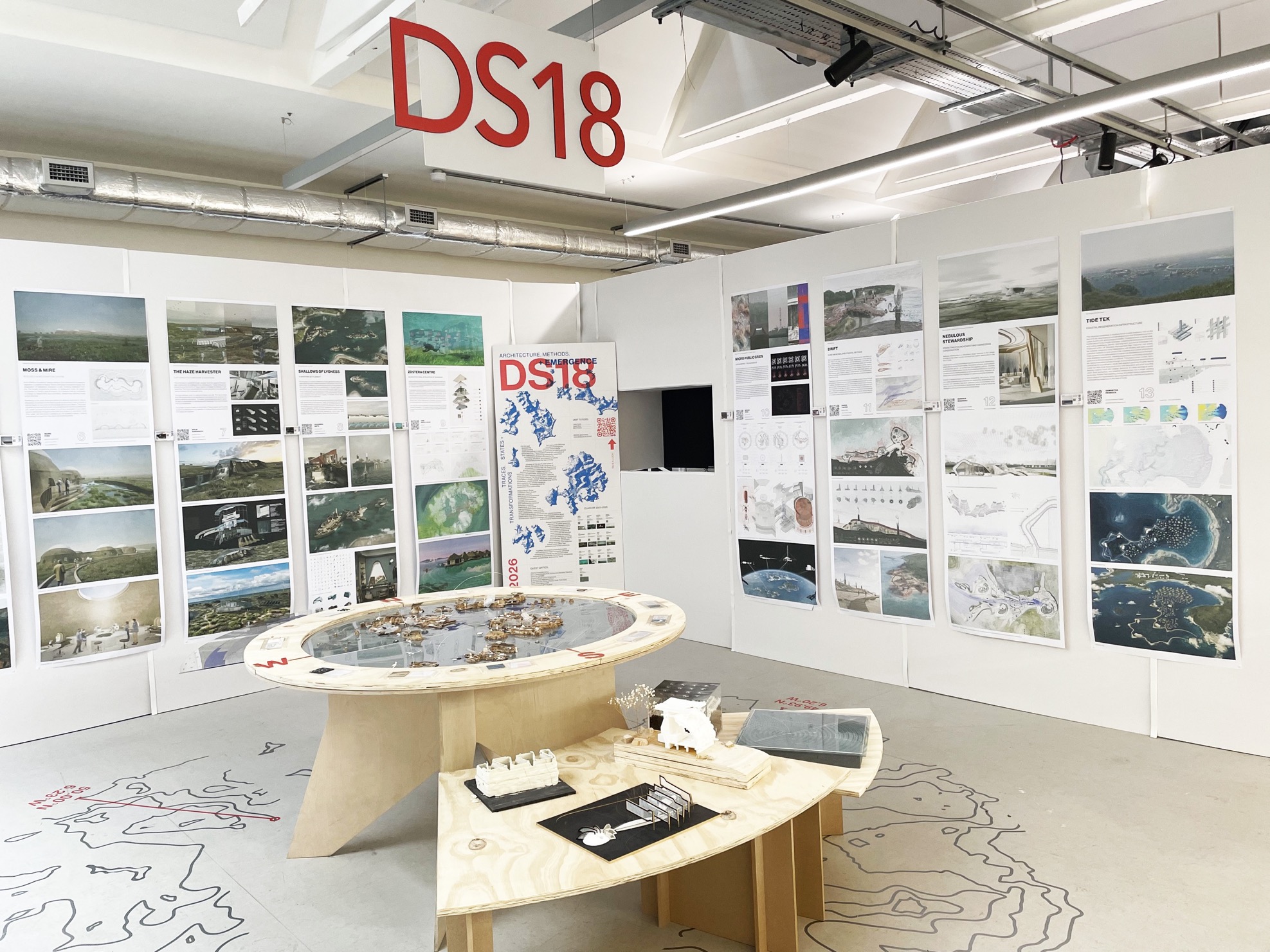
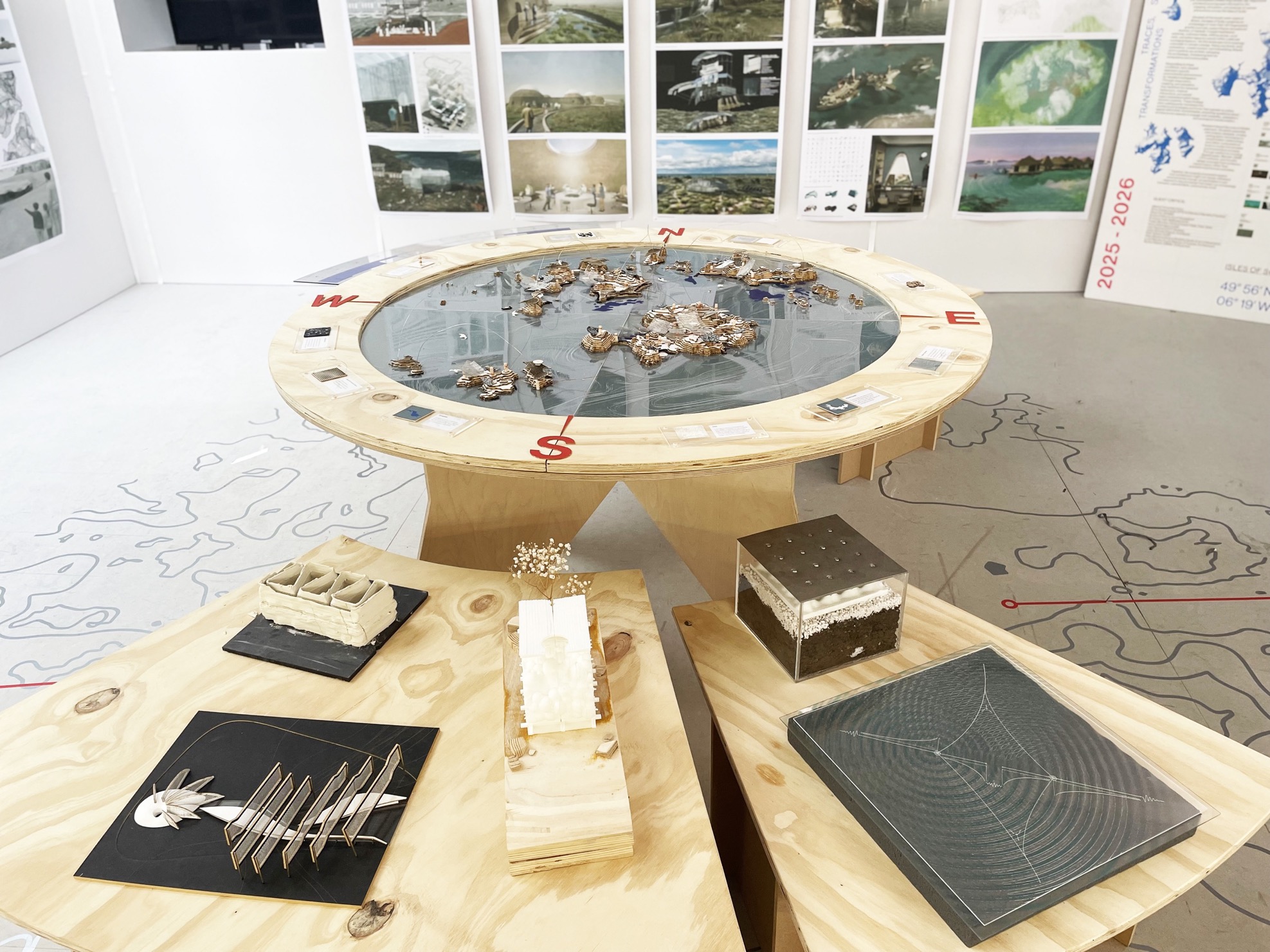
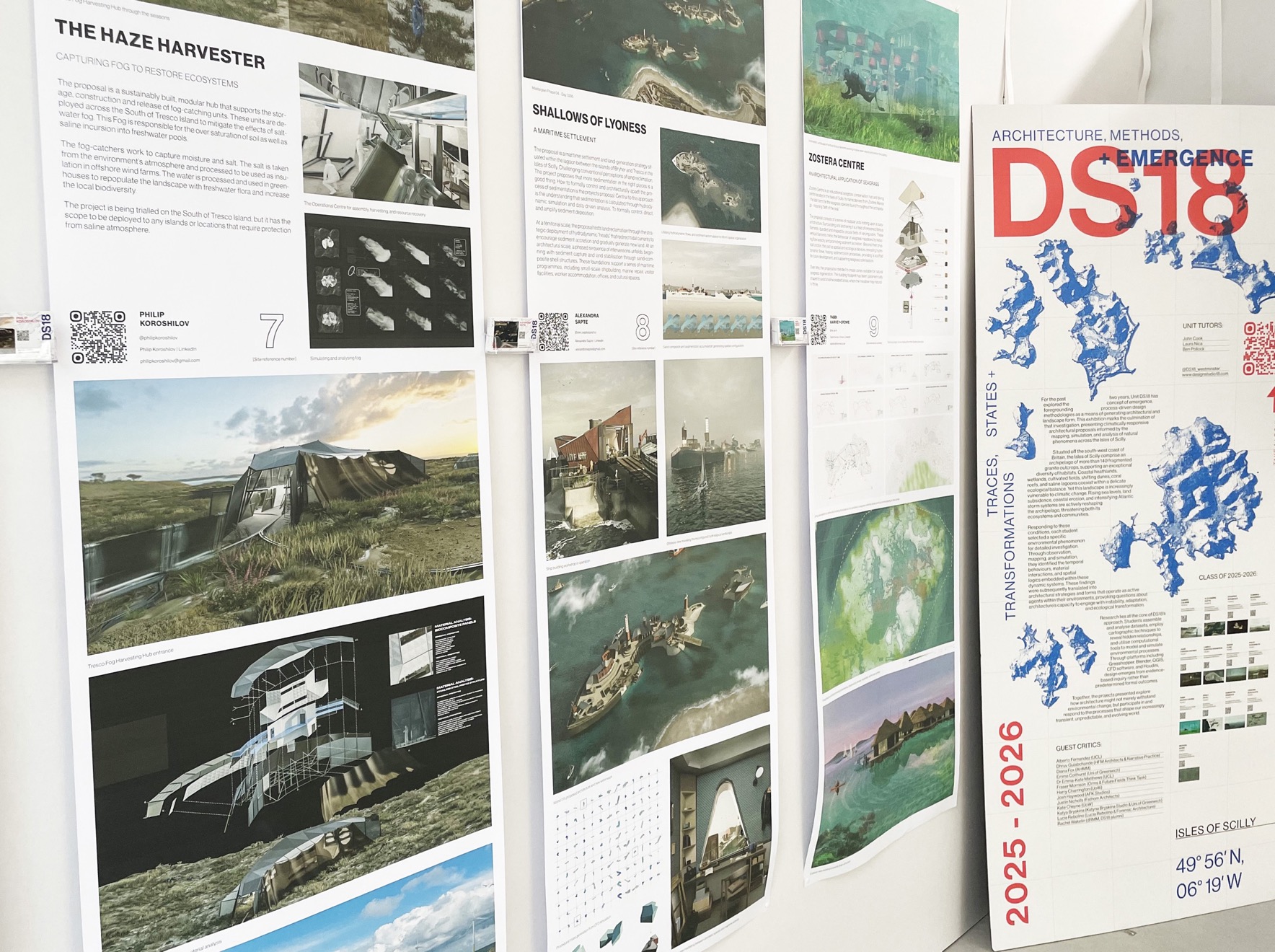
Design Studio 18 Master of Architecture (MArch RIBA Part 2)
TUTORS: John Cook, Ben Pollock & Laura Nica
Architecture, Methods + Emergence : Traces, States + Transformations
DS18’s interests lie at the intersection of architecture, urbanism and landscape. Cartography, design-research and representation underpin process-driven architectural responses borne of these environments.
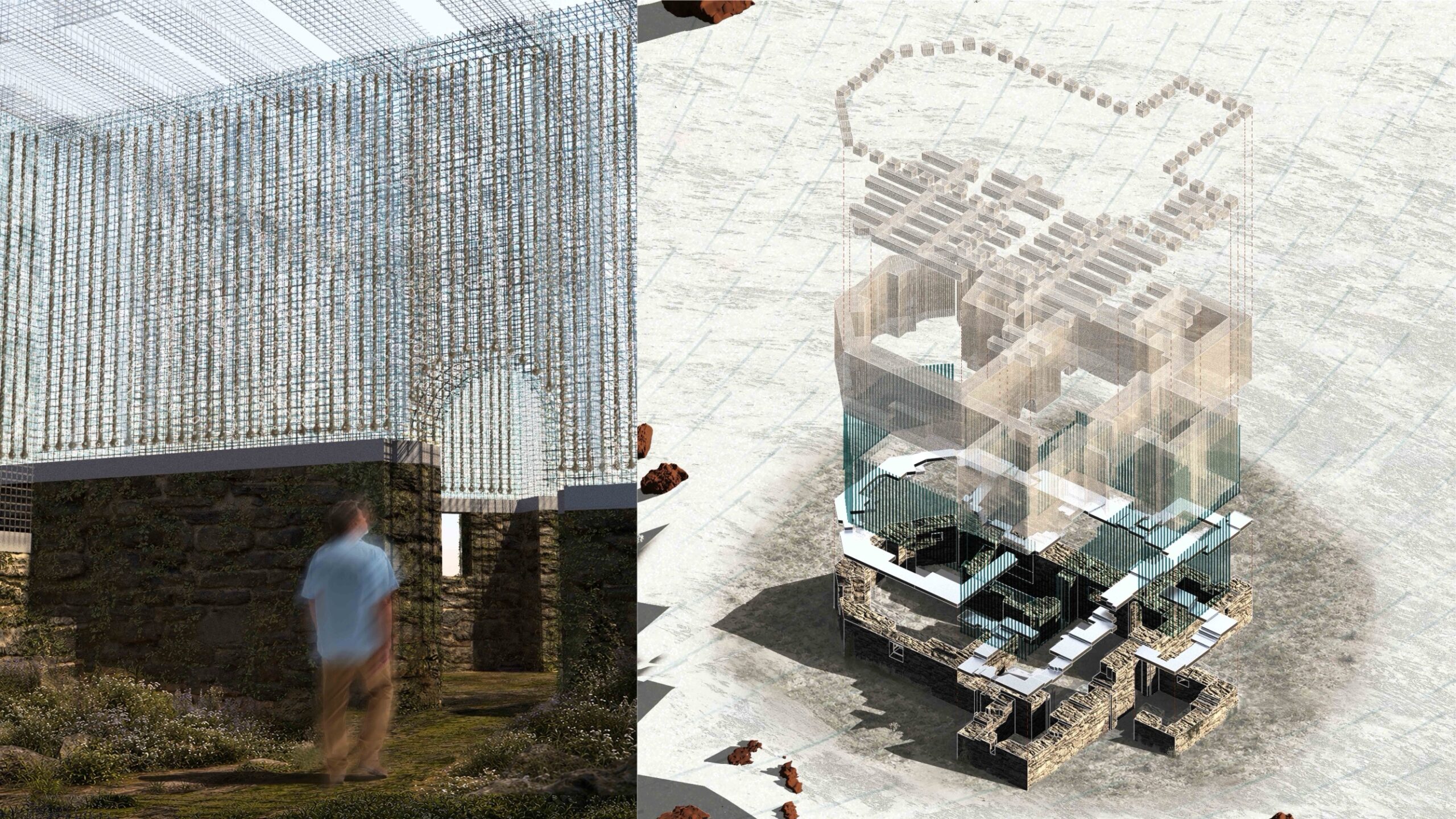
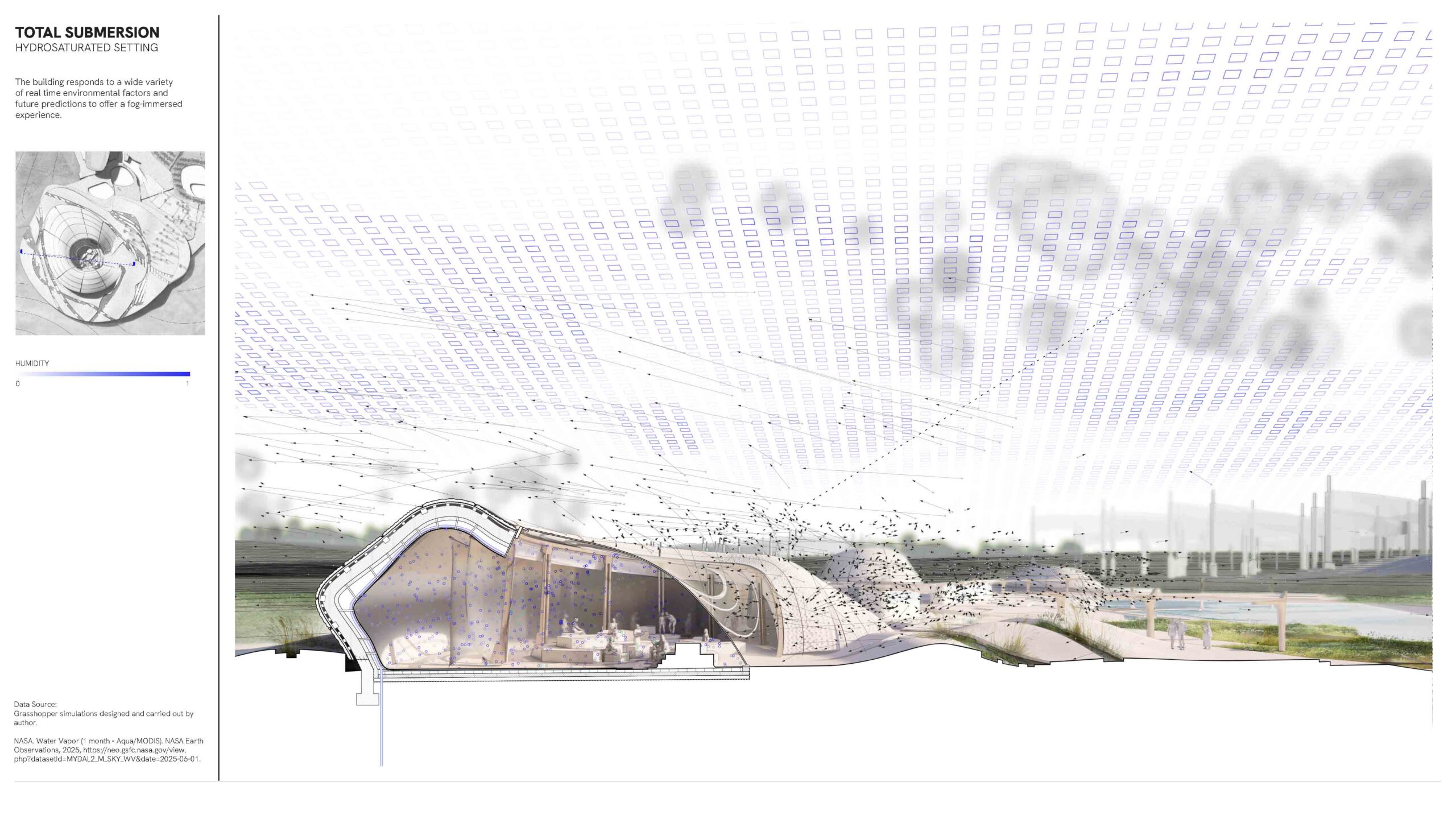
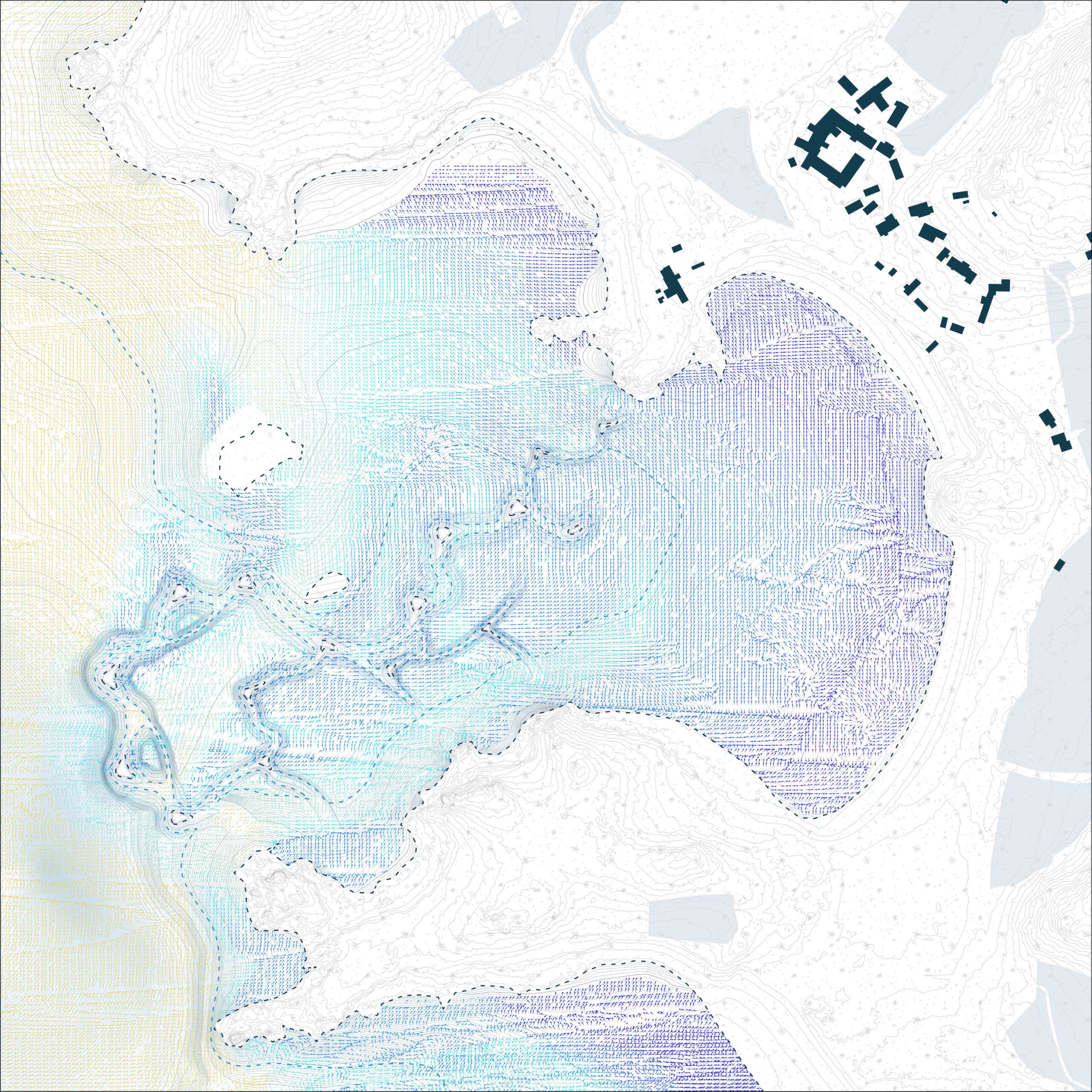
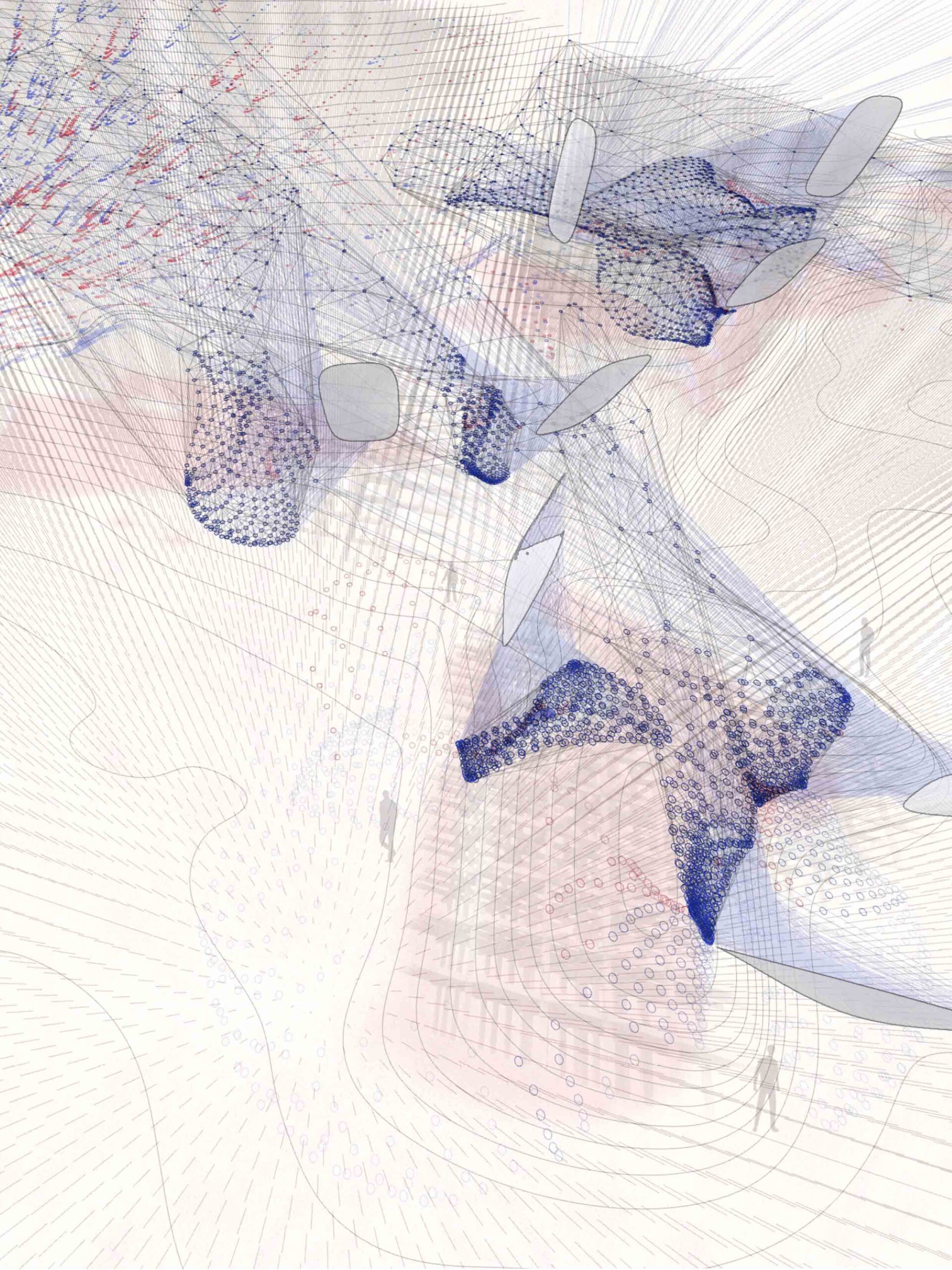
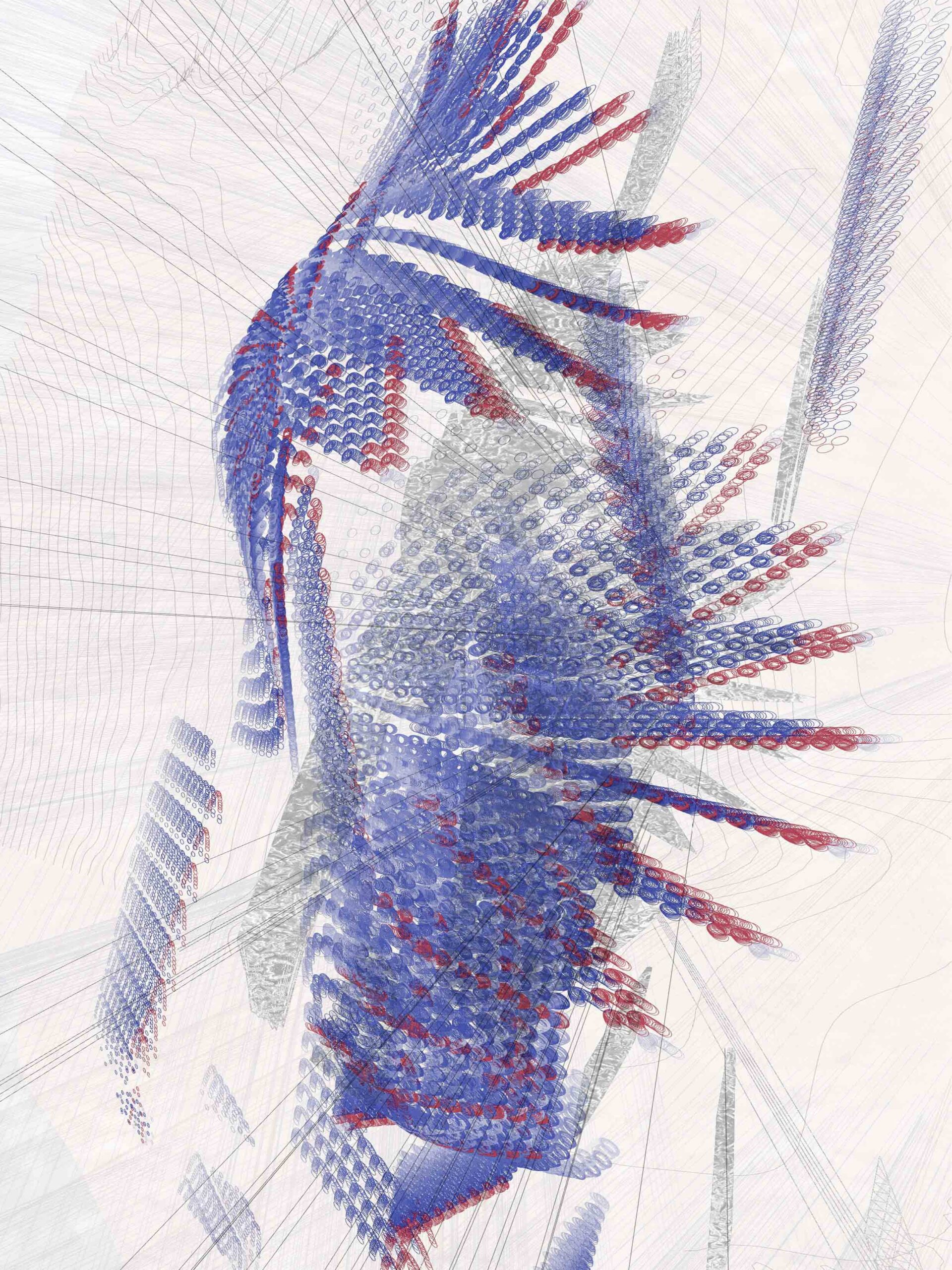
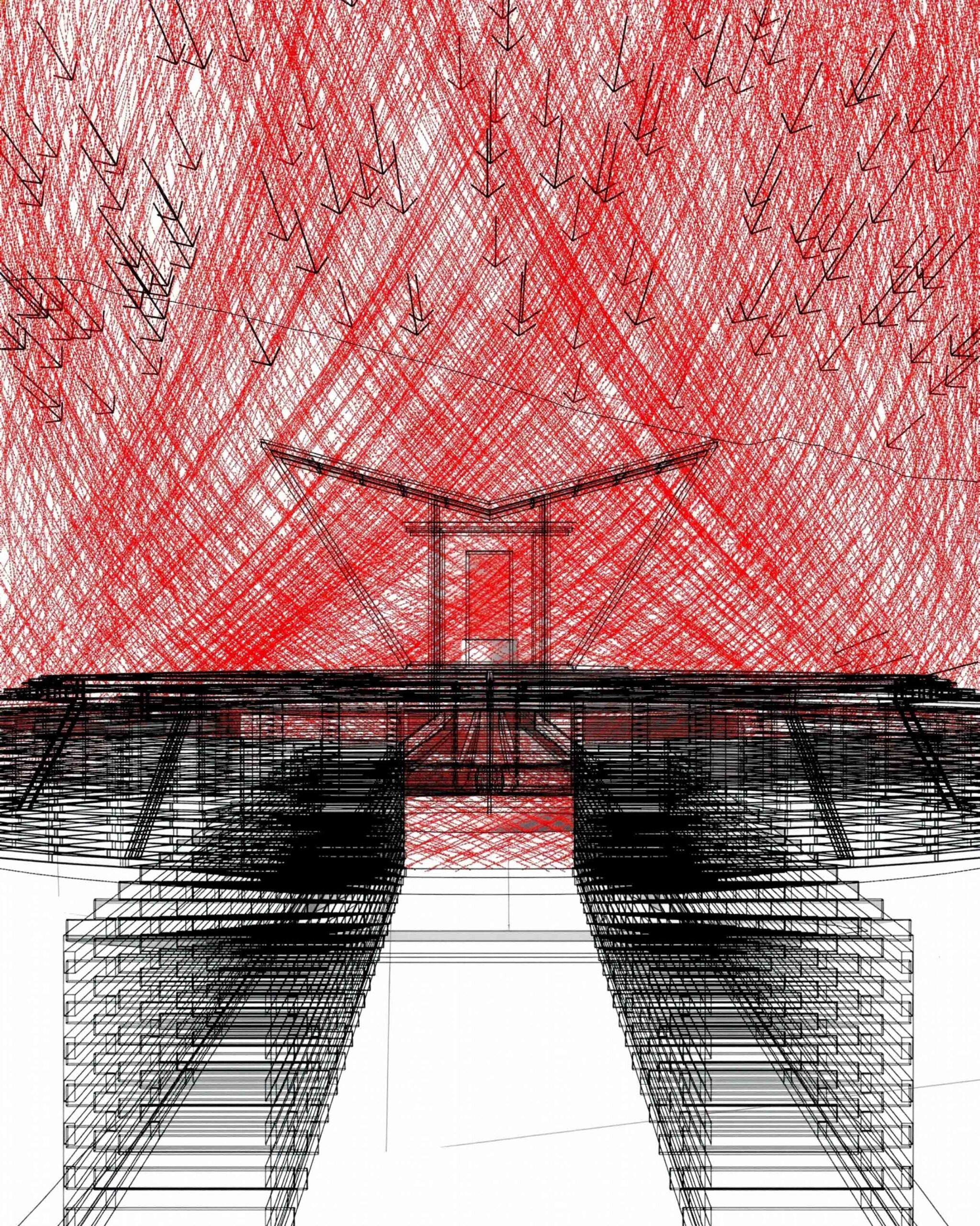
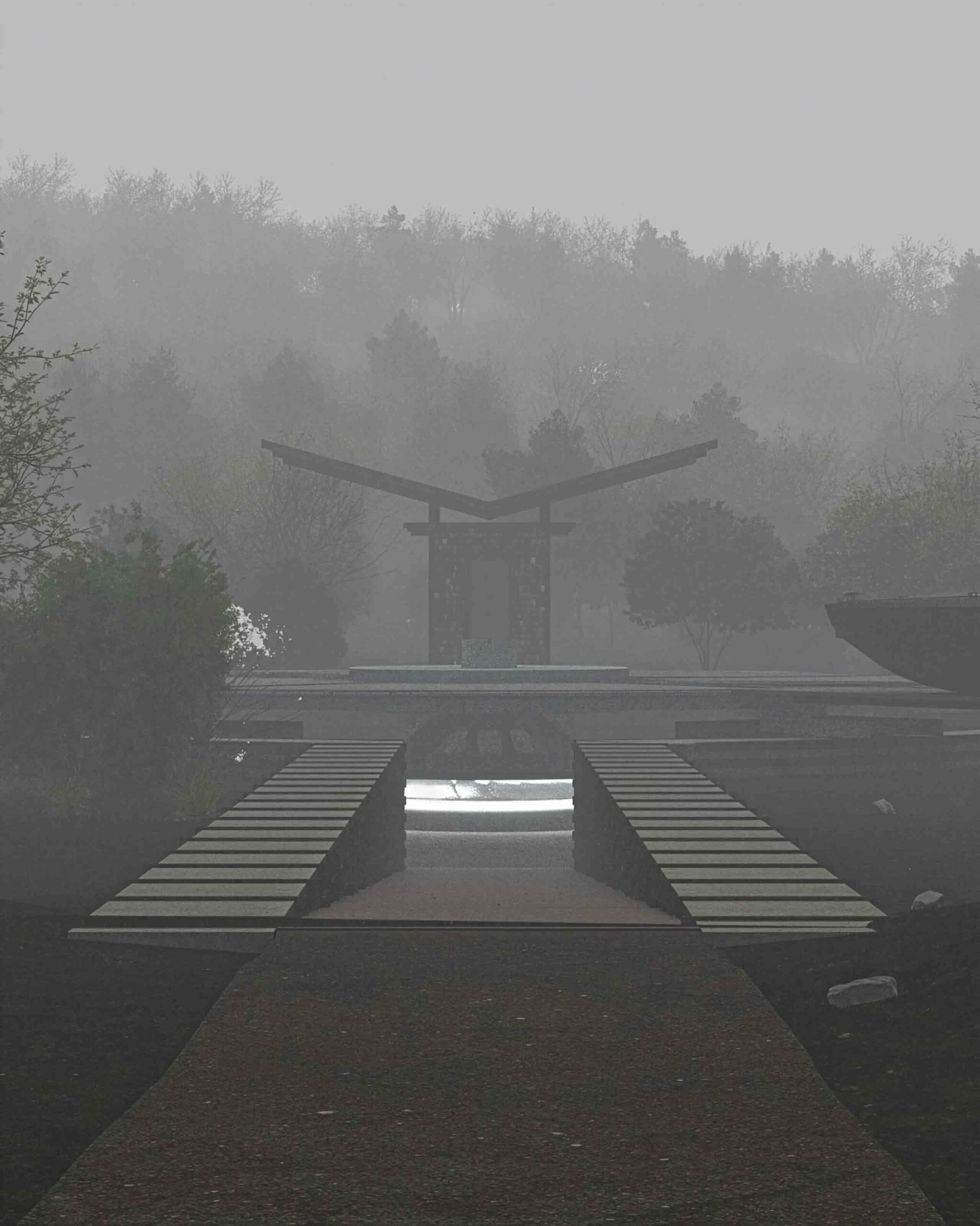
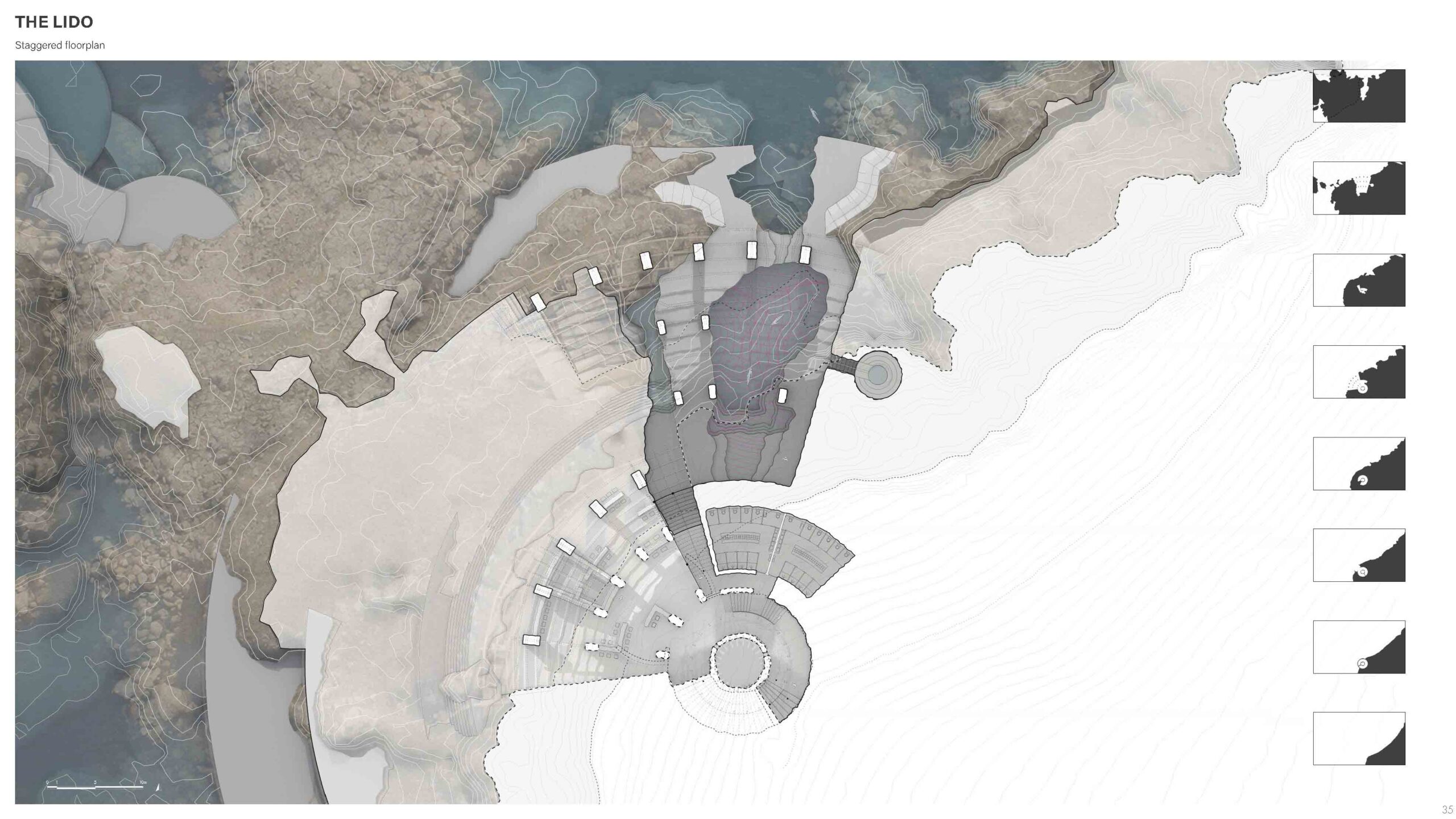
This year concludes the studio’s journey through the concept of emergence: the phenomena of complex entities and new behaviours arising from interactions between constituent parts. Students applied evidence-based system-thinking to adaptive and procedural design workflows. Rather than being shaped around traditional formal or stylistic concerns, they derived from the dynamic conditions, environmental processes and climatic interactions of their siting. Through research, mapping, simulation and computation, they tested form, motion and matter as part of non-linear and procedural design processes.
Understood as active agents within the Earth’s material and energy systems, the studio reads the topographical and social landscape to inform dynamic and responsive architectural projects suited to the instability of our times.
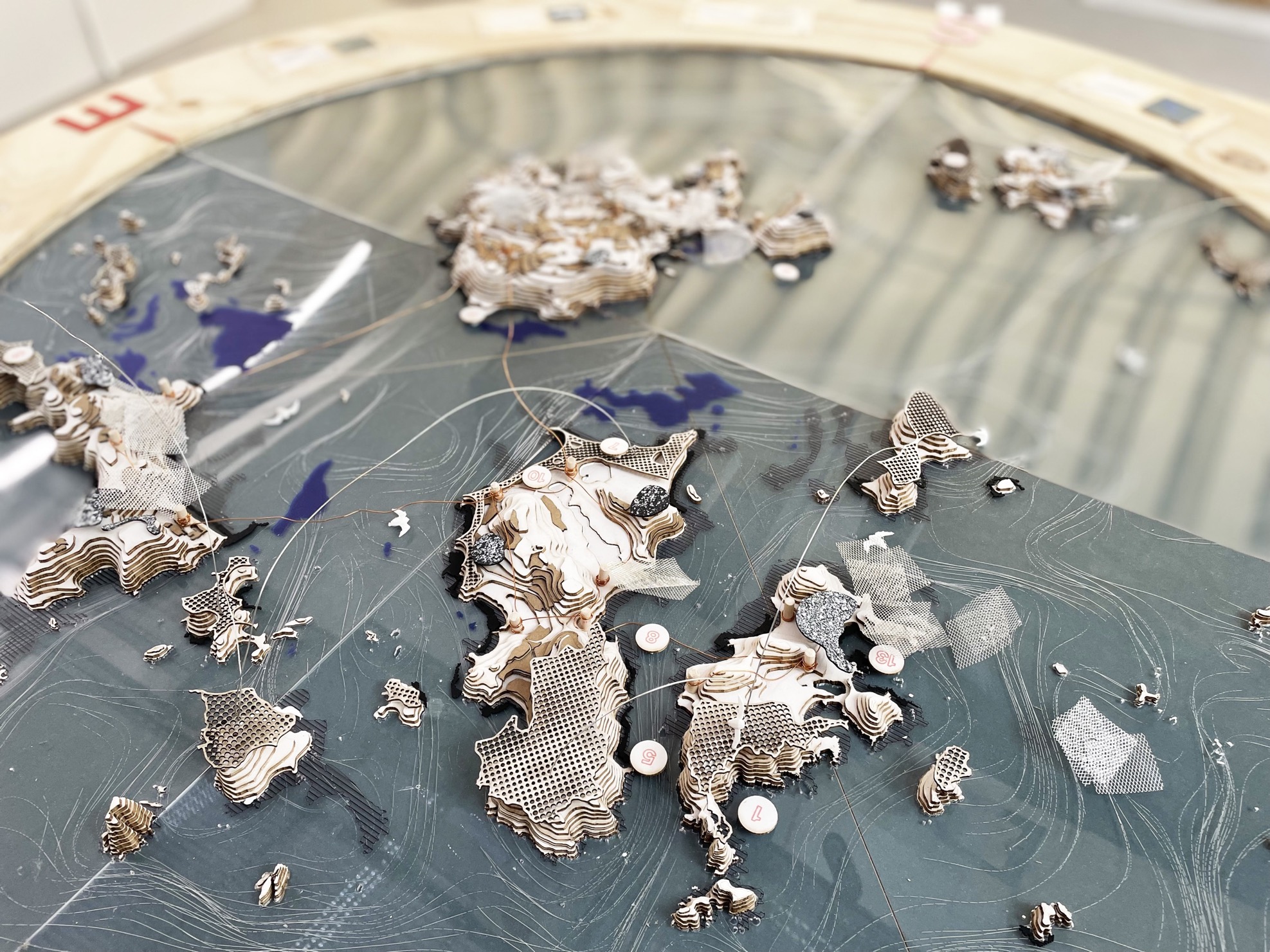
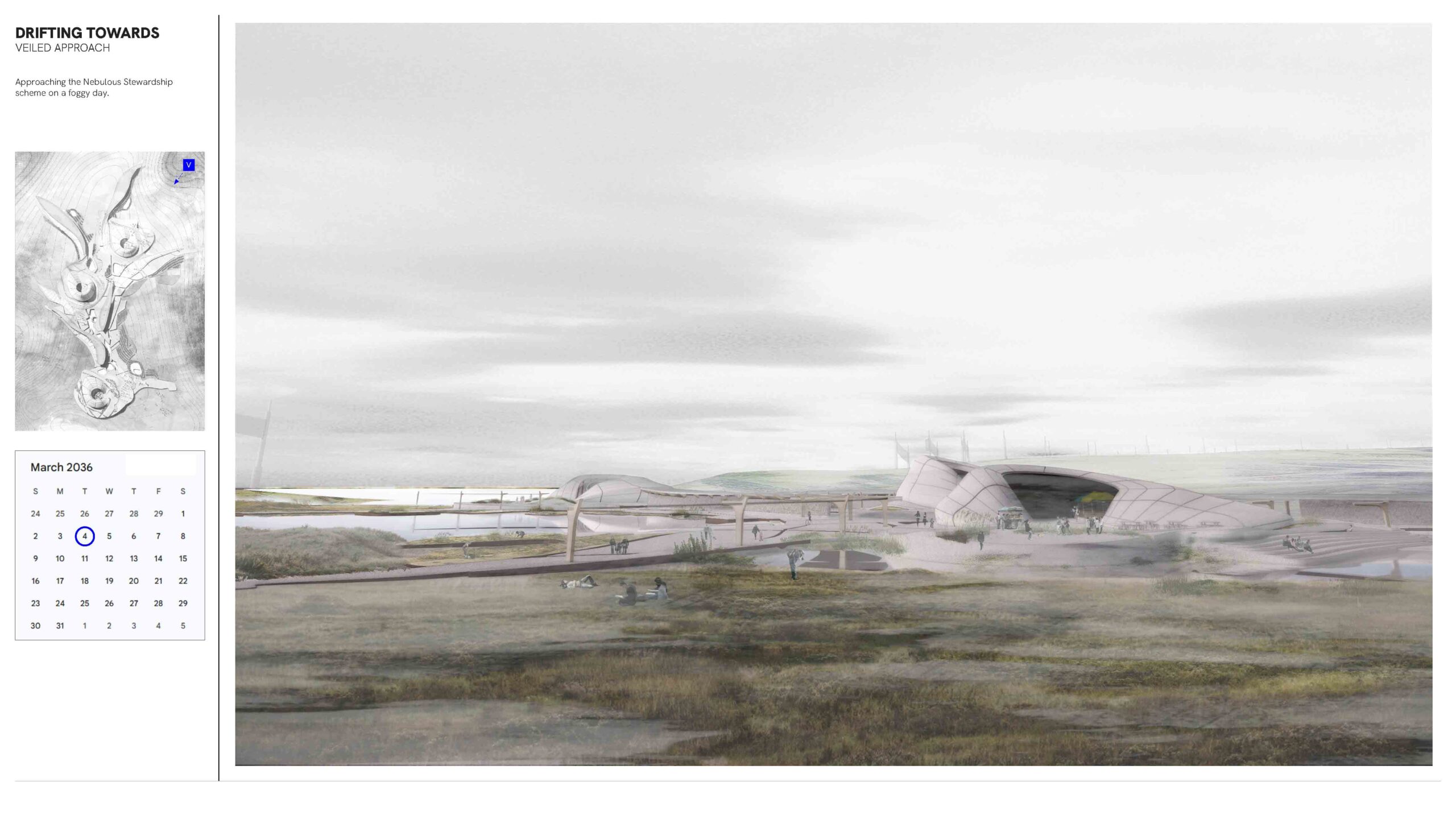
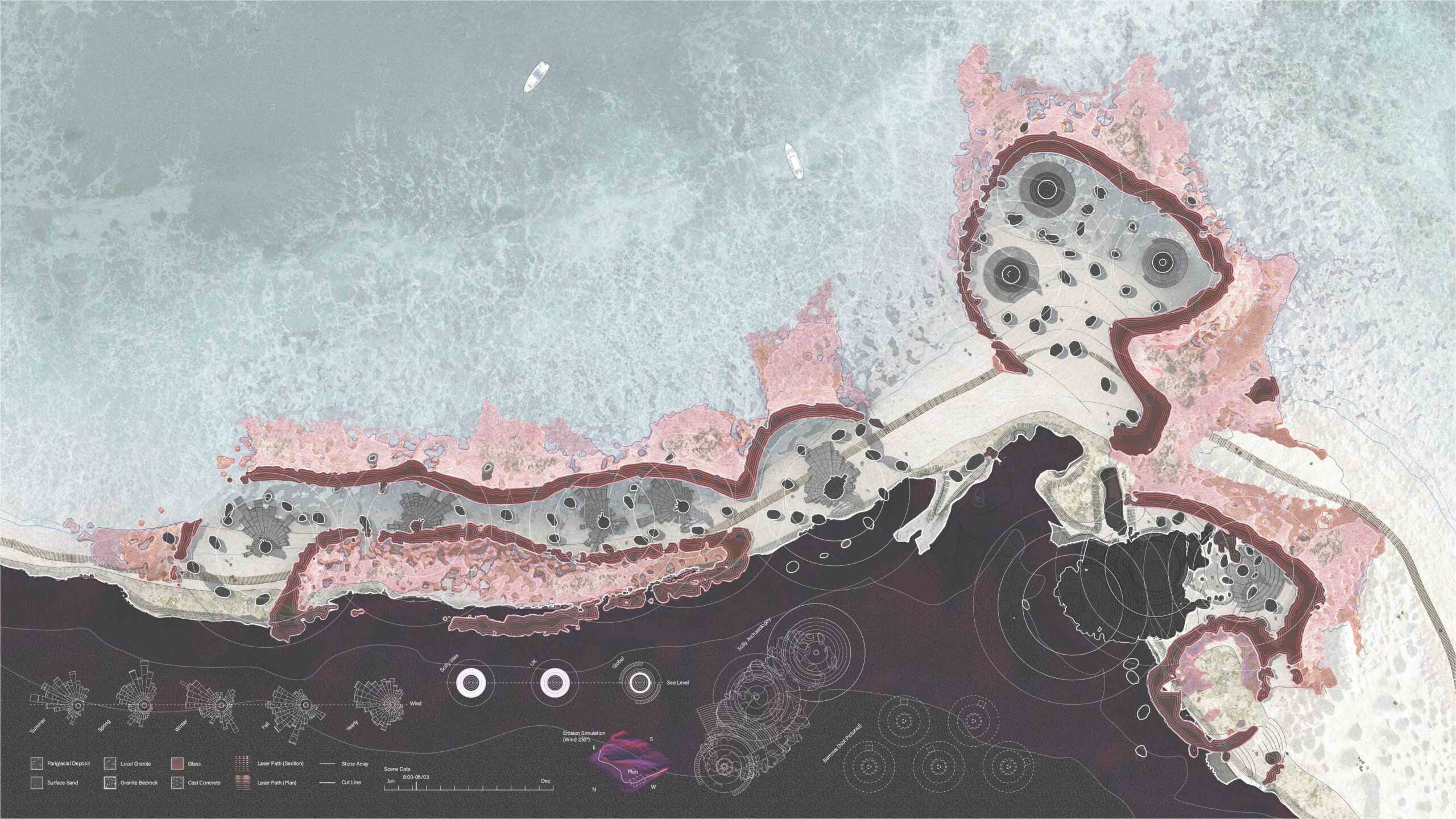
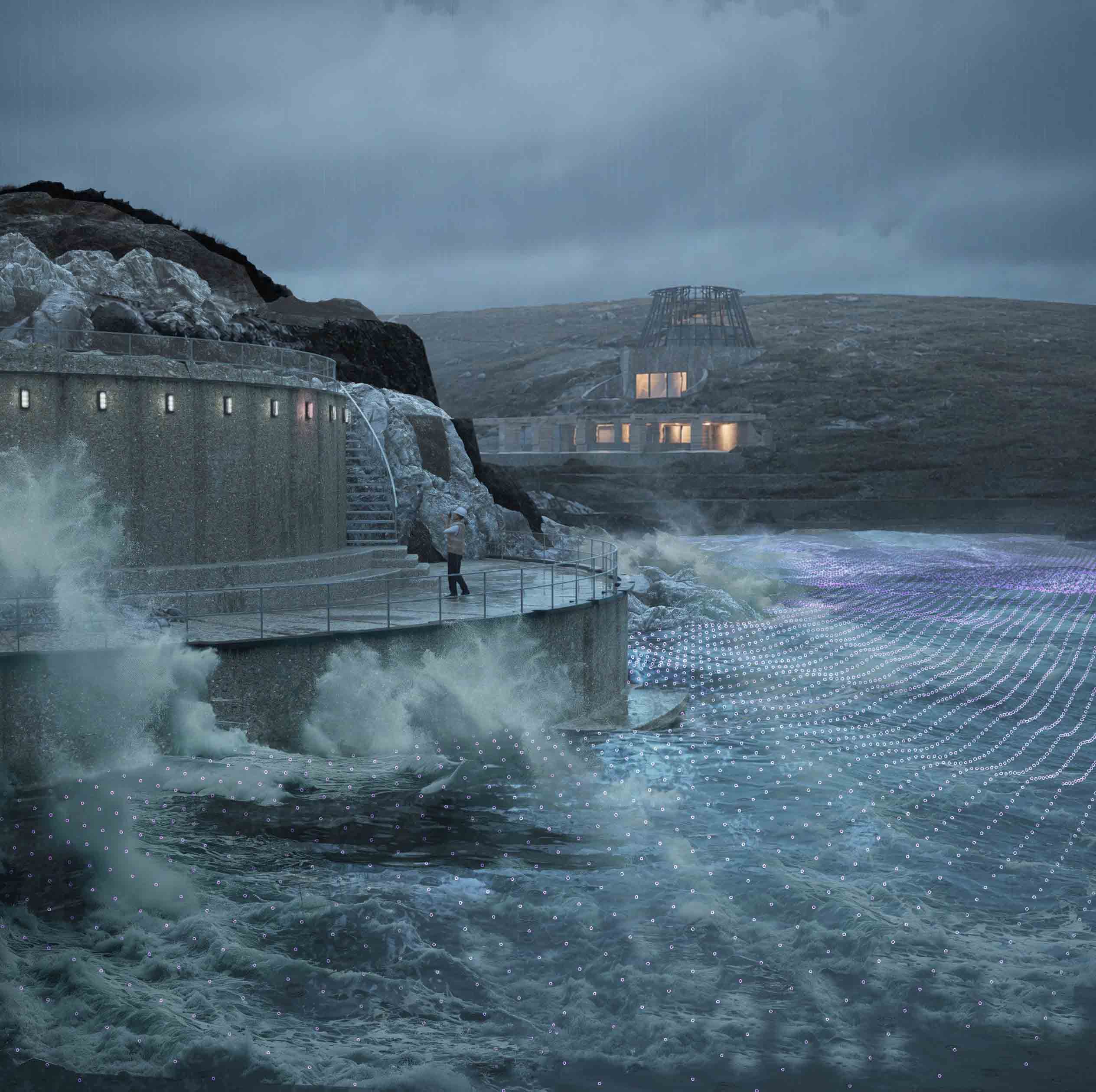
The site of our investigations was the Isles of Scilly in south-west Britain. Formed through deep geological time, continental collisions, successive ice ages and rising seas, it is a subtropical archipelago of over 140 crystallised granite outcrops. Its isolated geography currently supports coastal heathlands, cultivated fields, shifting dunescapes and saline lagoons. Its nutrient-rich waters are vital to marine life, migratory birds, agriculture, tourism and the isles’ 2,500 inhabitants.
Working in these low-lying islets on the frontline of climatic collapse, students explored issues of sea level rise, coastal erosion, flooding, drought, saline intrusion and contamination. Their projects re-imagined buildings as fluid, dynamic and reactive entities, fashioning architecture as an evolving, adaptive organism within volatile environments, precarious ecological contexts, cooperative governance structures and collective regenerative futures.
Archive of DS18’s work from previous years: